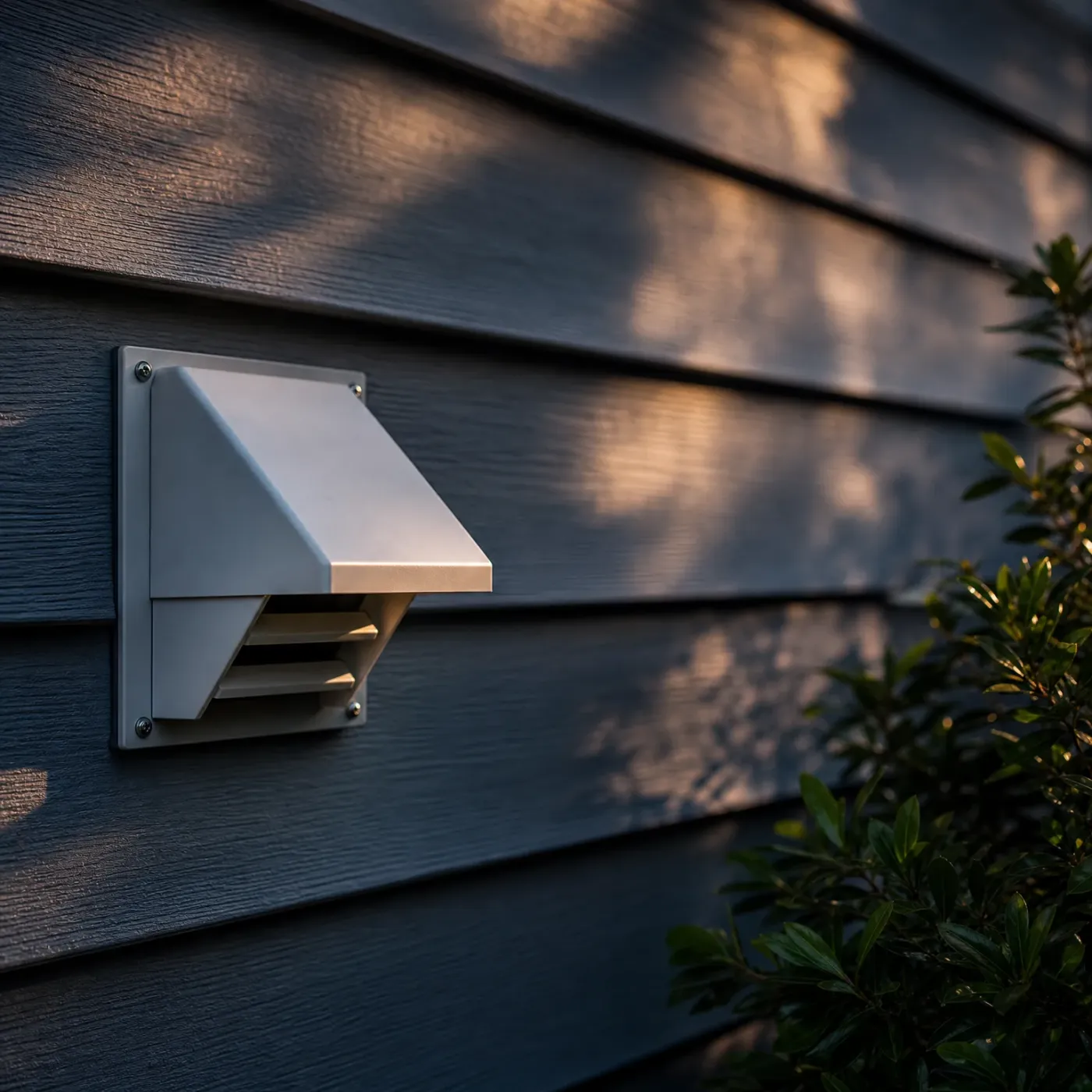
What a clear vent looks like
Air pushes the louvers open and shuts them again between loads. No lint sits in the opening or on the siding around it. Walk outside while the dryer runs and you should feel warm air moving out with some force.
Get matched with a dryer vent pro in Washington County
A dryer that takes two or three cycles to dry a load, runs hot to the touch, or leaves clothes smelling like exhaust is telling you the vent is blocked. This page covers what to check and what it means for the equipment. When you're ready for a cleaning, you can get matched with a contractor who covers Fayetteville and the rest of Washington County, instead of calling around yourself.
Get a dryer vent proA clogged dryer vent shows up in the dryer before it shows up anywhere else. Clothes come out hot but still damp. The top of the dryer or the door feels warmer than usual. A load that used to take forty minutes now takes two runs. You might notice a burnt dust smell, or lint collecting around the lint trap housing instead of catching in the screen. All of that means the moist, heated air isn't making it outside through the vent, usually because lint has built up along the duct run or the outside hood flap is stuck shut. Washington County winters are cold enough that outside vent hoods can ice over or get packed with debris, which makes the blockage worse. A blocked vent makes the dryer run longer and hotter to do the same job, and that heat has to go somewhere. Left alone, it's a fire risk, not just a slow dryer.




2.55 people per household on average
With 2.55 people in the average Washington County household, that dryer is probably running loads most days of the week, and every one of them packs lint into the vent a little more.
Half the homes here were built by 1995
Half the homes in Washington County were built in 1995 or earlier, which means the vent run itself has had decades to gather dust and sag at the joints before anyone checked it.
Power here costs 13.18 cents per kilowatt-hour
At 13.18 cents per kilowatt-hour, a blocked vent making the dryer run two or three extra cycles costs you more every month than it would somewhere power runs higher.
ACS 2020-2024 · EIA-861 2025

Air pushes the louvers open and shuts them again between loads. No lint sits in the opening or on the siding around it. Walk outside while the dryer runs and you should feel warm air moving out with some force.

Lint has packed into the hood and started pushing through the louvers from the inside. The flap can't close all the way anymore. If you see this from the driveway, lint has been building for a while.
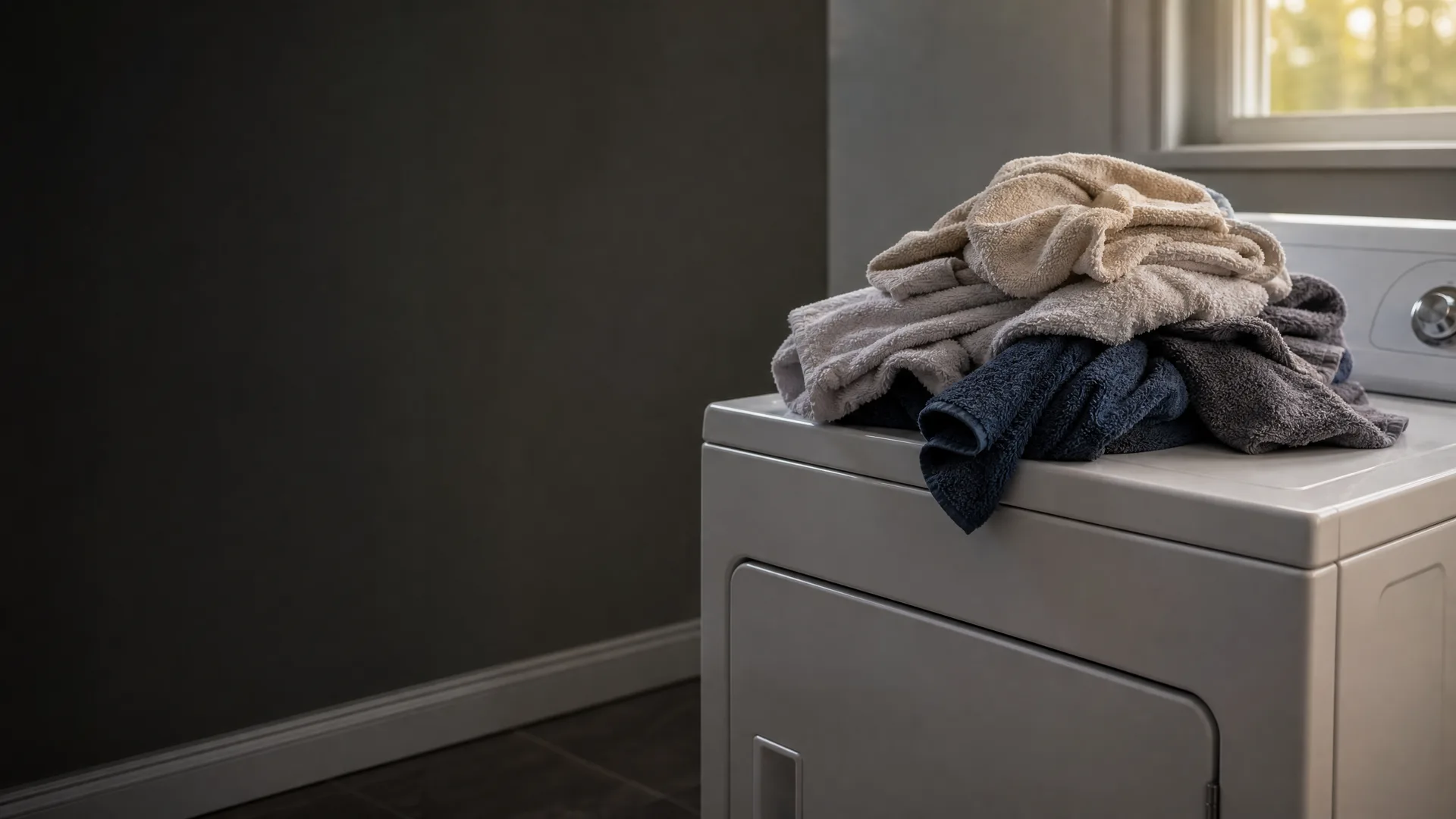
It's past eight on a Tuesday and you're still in the laundry room because the towels from this morning never made it into the dryer dry. You pull them out again, warm but damp, and pile them on top of the machine while you start a second run. The dryer's been doing this for two weeks now, maybe longer. You've got the window cracked because the room feels close, and the air coming off the dryer smells faintly scorched. You're tired, and you're doing the math on how many more nights this takes before you call someone who actually knows what's wrong with the vent instead of guessing.
You've read through what a clogged vent does to a dryer and what it can lead to if it sits that way. Checking it yourself tells you whether there's a problem. Clearing it, especially if the run is long or bends more than once, is a different job, and most people don't own the brush and rod to do it right or want to climb up to the roof hood to check it. Finding someone who does this regularly, who'll show up and actually get the whole run clear instead of just what's reachable from the outside, usually means calling around, explaining the same thing to three or four companies, and guessing at who's worth the price. You already know the dryer's been struggling. If the checks above matched what you're seeing, the next step is getting it cleared, not researching it further. Put in your address and a contractor who works in Washington County will reach out about it.
A dryer works by pushing heated air through the drum and out through a duct that ends in a hood on the outside wall. That hood has a flap, called a damper, that's supposed to stay closed except when air is pushing through it. Lint travels on that airflow, and it doesn't all make it outside. Most of it settles out at the bends, since any elbow or turn slows the air down enough for lint to drop and stick. A straight shot of rigid metal duct gives lint fewer places to catch than the foil or plastic ribbed kind, where every seam is a small ledge. The duct's length matters too. The more feet it runs and the more bends it takes past the first one, the less air pressure is left by the time it reaches the hood, and the less force there is to push lint out and keep that damper flap open. That's also why the first signs of a problem often show up at the hood itself rather than deep in the duct. Lint builds there from the outside in, a little at a time, long before the line is fully blocked. If you've gone out to check and found the flap barely moving, or not opening all the way when the dryer runs, that's the vent telling you the airflow behind it has already dropped. By the time a duct is packed solid, that hood has usually been giving you a smaller version of the same warning for a while.


Walk past the laundry room and the dryer feels hot on top, maybe hot enough that you notice it through your hand. The air coming off it smells a little like burning dust instead of clean laundry. You've started running jeans or towels twice because one cycle leaves them warm but not dry. Lint shows up in places it shouldn't, dusted along the back of the machine or caught in the door seal, like it's finding its way out because it can't get through the vent. Outside, the exhaust hood barely moves air even with the dryer running. Left alone, a blocked vent keeps the dryer running hotter and longer than it was built for, and that heat has nowhere to go but back into the duct packed with lint.


At 2.55 people, most Washington County households are running a load most days, not once a week. That steady pace is what packs lint into your vent between cleanings, long before you'd expect it to need one.
ACS 2020-2024

You pull the dryer out, disconnect the duct, and look. You can see straight runs and clear them with a brush kit from the hardware store. You can step outside and watch the hood while the dryer runs. If the run is short, the path is simple, and you're willing to spend an afternoon on it, you can find out for yourself what's built up and clear a good part of it without calling anyone.

You check it yourself and the airflow outside is still weak, or the duct bends more than once, or it runs longer than you expected and you can't see or reach the far end. That's a different job than a brush kit handles. Instead of searching for someone to take it on, calling around, and explaining the setup over and over, you answer a few questions once and a contractor who works on vents like yours gets in touch.

A dryer running hot, a load that takes two cycles, a hood outside that barely moves air. Any one of these on its own might seem small. Together they mean the vent is restricted and the dryer is working harder than it should to do the same job it always did.
You don't have to figure out on your own how bad the blockage is or whether the run is something you can clear yourself. A contractor who handles dryer vent cleaning in Washington County can look at your setup, tell you what's actually going on in that duct, and take care of it, so you're not the one pulling the dryer out, tracing the run, and guessing at what you're looking at.



Get your dryer vent to the right pro
One form replaces the calls you'd make to find a dryer vent pro.
