


Dryer taking too long to dry in Little Rock, AR

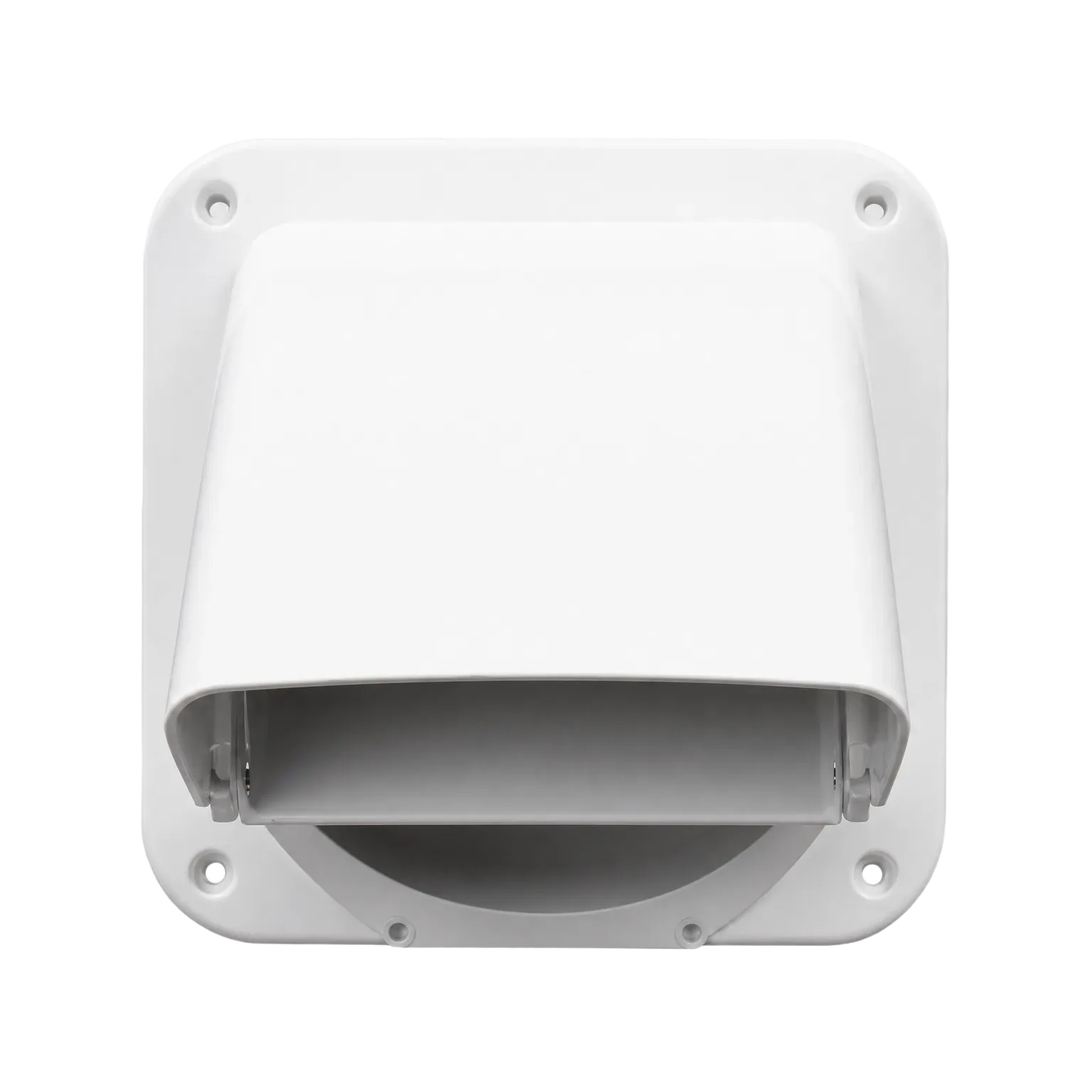
A white plastic wall vent with a square mounting flange, hooded cover, and round duct collar visible beneath, shown against a plain light gray background.
Send my request

A dryer that runs two or three cycles to get clothes dry almost always has a vent that's clogged, not a broken machine. Lint builds up inside the vent duct over time, and once it narrows the path enough, the damp air your dryer is supposed to push outside has nowhere to go. The drum heats up, the moisture stays trapped, and the dryer just keeps running to compensate. With summers in Little Rock running long and muggy, the air coming back into that vent is already heavy with moisture, so a vent that's half blocked struggles even more to clear it. A clogged vent also means your dryer works harder every single load, which adds wear on the heating element and the motor over time. It's also a fire risk, since trapped lint sits right next to a heat source. If your dryer has taken longer to finish over the past few months, or the outside vent flap barely moves when it runs, the duct is the place to check first.

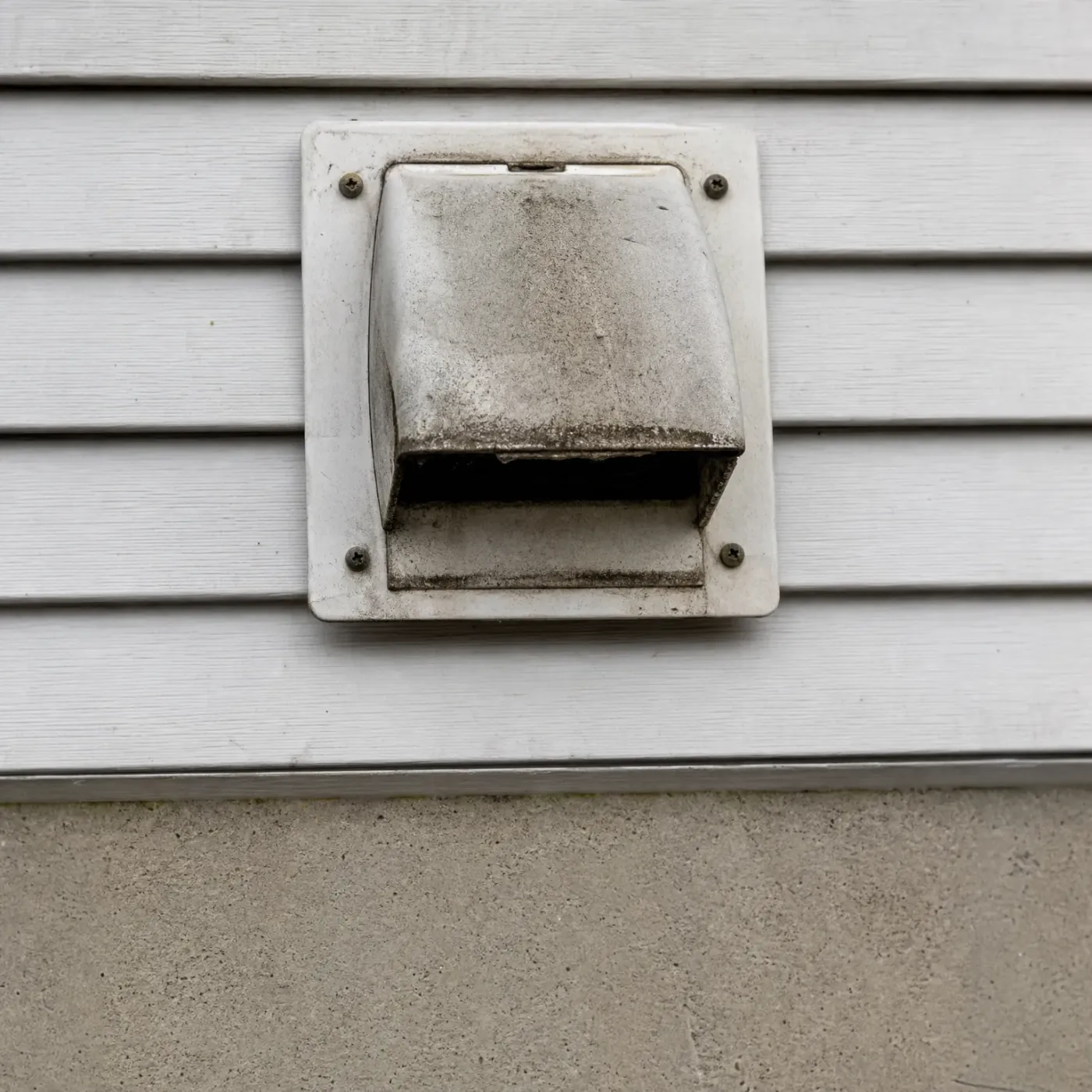
A dirt-streaked white plastic dryer vent hood screwed to light gray horizontal lap siding above a concrete foundation wall.
Before you get your dryer vent cleaning
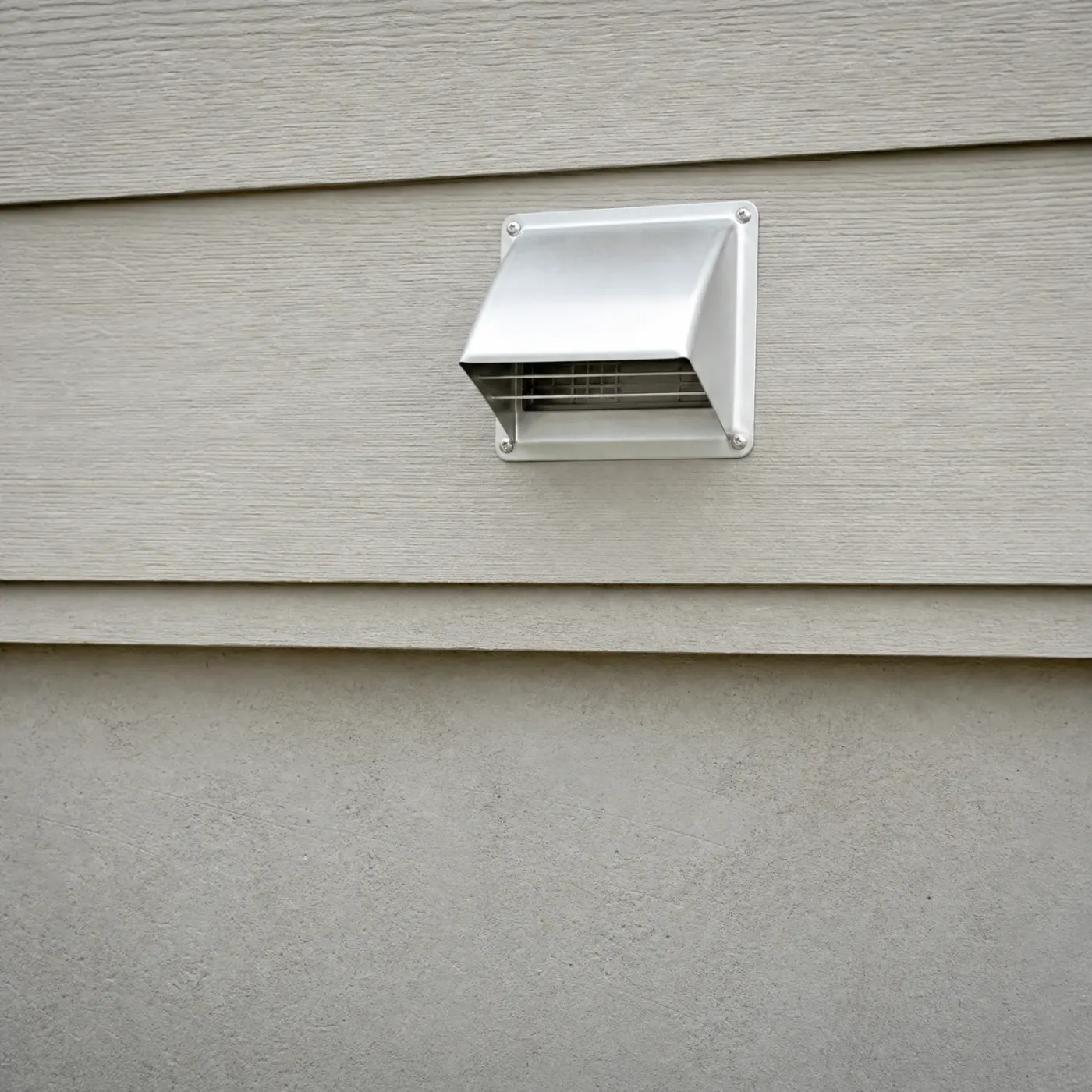
A white hooded dryer vent with a screened opening mounted on beige horizontal lap siding.
After you get your dryer vent cleaning

Why is your dryer running so long to dry one load?

  • 2.27 people per household on average

    Most homes in Pulaski County hold about 2.27 people, so that dryer is likely running full loads several times a week. A clogged vent on that schedule gets worse fast.

  • Half the homes here were built by 1981

    Half the homes in Pulaski County went up in 1981 or earlier, and the vent duct is usually original to the house. A duct that old has had decades to fill with lint.

  • Power here costs 13.15 cents per kilowatt-hour

    Electricity here runs 13.15 cents per kilowatt-hour, cheap by national standards. A clogged vent still makes the dryer run two or three times longer to finish a load, and that adds up on the bill regardless of the rate.

ACS 2020-2024 · EIA-861 2025

A pile of gray and pink towels sits on top of a white dryer in a dim room beside a window.

It's almost nine on a Tuesday and you've run the towels a third time. You pull the door open and the heap on top of the dryer is still damp enough to leave a cool patch on your hand. The laundry room smells warm and a little close, the way it does when the vent isn't doing its job. You press them against your cheek just to check, then pile them back in, press start again, and head back to whatever you were doing before this took over your evening. The dryer hums along in the next room while you wait, again.

Clear It Yourself or Call In Help

Clean the vent yourself

  • You can pull the lint screen and wipe it down, but that catches only what never made it into the duct.
  • Reaching the full run of duct behind the dryer means pulling the machine out, which is awkward in a tight laundry closet.
  • A shop vac can clear the first few feet, but most vent runs go on past where a hose can reach.
  • Without a way to see inside the duct, there's no way to tell if the clog is gone or just pushed further down.
  • If the vent runs up through a wall or out through the roof, you're working blind the whole way.
  • A rigid section or a sharp turn in the duct can hide a clog that a shop vac alone won't move.

Have it professionally cleaned

  • A contractor working vents across Pulaski County every week knows where lint tends to pack in, whether the run is short and straight or bends through an attic.
  • The job uses a brush and motor made to run the full length of the duct, not just the few feet closest to the machine.
  • One licensed, local contractor takes the job, so you're not fielding calls from three different companies after you ask for help.
  • A proper cleaning clears the duct from the back of the dryer to where it vents outside, including any turns along the way.
  • Once the request is in, finding someone to do it stops being something you have to manage.
  • A contractor can check the vent hood outside while they're at it, since a flap that won't open all the way slows the air just as much as lint does.
  1. Lint builds up inside the duct behind the dryer.

  2. Airflow narrows and wet air stops venting outside.

  3. The dryer runs hotter and longer to compensate.

  4. Moist air backs up into the drum each cycle.

What's actually going on with your dryer right now

You've probably noticed the top of the dryer feels warmer than usual, or the laundry room holds onto heat long after the cycle ends. The clothes come out hot but not dry, and if you catch the vent hood outside, little to no air is moving even mid-cycle. Sometimes there's a faint burnt-dust smell when it's been running a while. None of that means the dryer itself is failing. It means the air isn't getting outside the way it should, and the heat and moisture have nowhere to go but back into the drum. Left alone, that trapped lint is the kind of thing that leads to a dryer fire, and running the unit hot for an extra cycle every time adds wear that didn't need to happen.

A white hooded exterior dryer vent with a mesh screen, screwed to light gray horizontal lap siding above a concrete foundation.

Vent clear and venting outside

Air moves freely through the hood and out past the flap. Hold your hand near it during a cycle and you feel a steady push of warm air. One cycle gets clothes dry, and the hood stays clean because lint is leaving the duct, not building up in it.


A metal dryer vent hood mounted on beige horizontal lap siding, with gray lint clogging its open flap, above a lighter textured foundation wall.

Vent clogged and backing up

Lint has packed in around the flap until it barely opens. What little air gets out carries less and less heat with it. That's the damp heat you feel hanging in the laundry room, and the reason the same load goes in for a second round.

A smiling bearded man in a dark green henley shirt sits on a blue-gray couch in a living room, with a bowl of popcorn in the foreground and a houseplant and window behind him.
A smiling man in a dark sweatshirt reclines on a gray sofa in a living room, with a wooden bowl of popcorn on a table in the foreground and a dining area, shelving, and pendant lamp behind him.
A smiling man in a navy long-sleeve shirt reclines on a sofa in a living room, with a bowl of popcorn on a wooden coffee table and framed pictures on the wall behind him.
A smiling man in a dark green long-sleeved shirt sits on a gray sofa in a living room, with a bowl of popcorn in the foreground and windows and a potted plant behind him.

27 minutes a cycle

That's the average dryer cycle. If you're running two or three to get one load dry, the machine isn't the problem. The vent is holding air back.

Reach a local pro

Fires start where lint sits

Lint that never leaves the duct is what a clogged vent collects. It sits behind a hot dryer, which is exactly where you don't want it.

Reach a local pro
A woman with dark hair in a bun sits on a beige sofa under a knit blanket with her eyes closed and an open book in front of her, with a lit lamp and houseplant in the background.
A smiling bearded man in a dark sweater sits at a dinner table with lit candles, a glass of red wine, and bowls of food, in a dimly lit room with a lamp and houseplant behind him.

It's off your list after this

A licensed pro who works in Pulaski County gets your request.

You only hire the pro if you want to.

A white plastic hooded dryer vent with a louvered opening mounted on gray horizontal lap siding, beside a plain light-colored wall surface.

Keep running it and waiting

Each extra cycle pushes more hot, moist air into a duct that's already struggling to move it. The motor and heating element work longer than they're built to on a normal day. Lint sits where the airflow is weakest, usually at a joint or near the hood, and it packs in tighter every time you run a load. The wait doesn't fix anything. It just adds another cycle tomorrow.

A white hooded dryer vent cover screwed to beige horizontal lap siding on an exterior house wall, with a blank wall at left.

Have the vent cleaned

A tech runs a brush through the full length of duct, from the back of the dryer to the hood outside, and clears what the lint screen never caught. Airflow comes back the way it was when the vent was new. Clothes dry in one cycle again, and the dryer stops running hot just to push air through a narrow path. The hood outside will show a strong, steady push of air once it's done.

2.27 people per household on average

At 2.27 people, most houses here are running a load every day or two, not just on weekends. That keeps the vent working hard year round, so lint has less time to sit before the next cycle pushes more through it.

ACS 2020-2024

Clear Vent, One Cycle, Done

  • A dryer that takes two or three cycles to dry one load has a blocked vent, not a failing machine.
  • Clearing the duct restores the steady airflow a dryer needs to dry clothes in a single cycle.
  • A tech who works dryer vents around Pulaski County every week knows where lint packs in tightest and checks there first.
  • Your request goes to one licensed local contractor, so you deal with a single call back instead of fielding several.
  • Once the vent runs clear, the warm damp air in the laundry room and the hot top panel both go away.

The problem was never the dryer. It was the duct behind it, packed tight enough that the warm, wet air from a normal load had nowhere to go but back into the drum. That's why towels came out hot and still damp, why the top panel ran warm, why one load turned into two or three cycles just to get clothes dry. Clear that duct and the airflow does what it's supposed to again. One cycle in, one cycle out, and the laundry room stops holding onto heat it shouldn't.

Finding someone to clear it shouldn't be its own chore on top of the laundry. The request goes to one licensed contractor working in Pulaski County, not a handful of companies competing for the callback. Someone who services vents here through a muggy summer and a cold winter alike has seen where lint packs tightest in a run of duct, whether that's a sharp bend behind a tight laundry closet or the hood flap outside where lint can cake and stop it from opening all the way. That's the kind of thing you learn from doing the work every week, not from a single visit.

Once it's cleared, you'll notice the difference the first time you run a load. The air coming off the hood outside will push steady and warm. The top of the dryer won't carry heat into the next cycle. And the towels will come out of the dryer dry the way they're supposed to, the first time through.

A single-story white stucco house with dark roof, stone-clad entry tower and three dark garage doors, lit from within at dusk, with a curved concrete driveway and dark mulch beds with boulders and bare young trees in the foreground under an orange and blue sunset sky.

Dryer Vent Cleaning

Stop chasing a dryer vent pro

Duct and vent cleaningPulaski County, AR
Step 1 of 3

What kind of equipment?

  • An olive-green upholstered armchair with a cream knit throw and pillow, beside a matching ottoman holding a mug on a wooden tray and a book, with a dark wood bookshelf, candles, a large leafy plant, and a patterned rug nearby.
    • Get matched with a Pulaski County pro who cleans dryer vents.
    • Get matched with a pro who works on dryer vents in Pulaski County.
  • Two stacked hardcover books, the top one green, sit on a round dark wood table beside a ceramic mug and a potted fern, with a leather armchair, green cushion and knitted throw behind near a curtained window.
    • After this form, you can stop searching for a dryer vent pro.
    • One request and the search for a pro is handled.
  • Living room interior with a stone fireplace and wooden mantel holding ceramic vases and a framed artwork, a round wood coffee table with a dark vase of greenery, a shallow bowl, books and a stone cup, and a beige sofa with gray pillows and a dark throw in the foreground.
    • Skip searching for someone who cleans dryer vents in Pulaski County.
    • Skip searching for a dryer vent pro and answer a few questions instead.
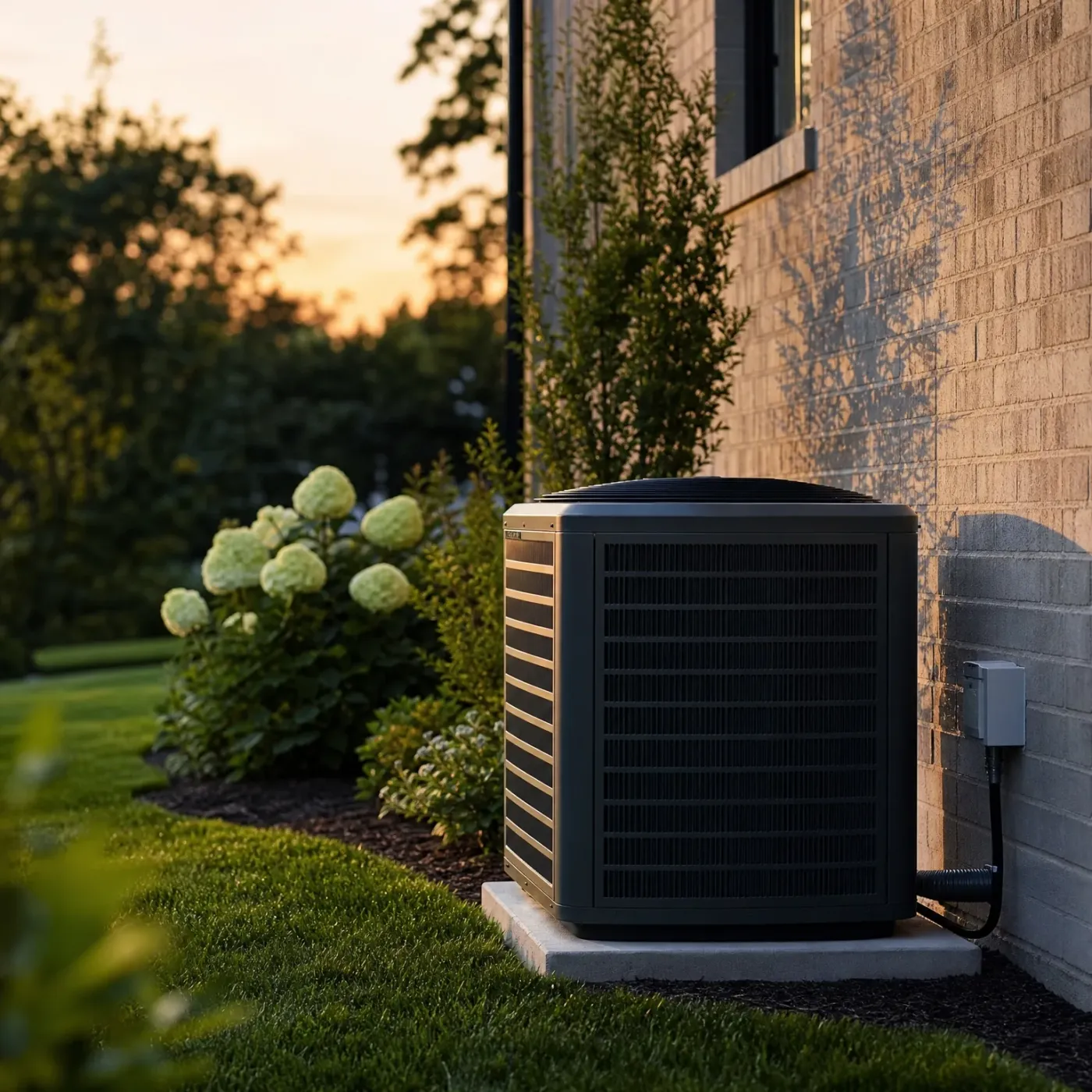
  • An outdoor air conditioning condenser unit on a concrete pad beside a brick house, with a wall-mounted disconnect box and conduit, lawn and flowering shrubs at left, and a sunset sky in the background.
    • Your request goes to one pro, not a list of companies.
    • The pro who reaches out is licensed in Arkansas.