




Dryer taking too long to dry in Fayetteville, AR

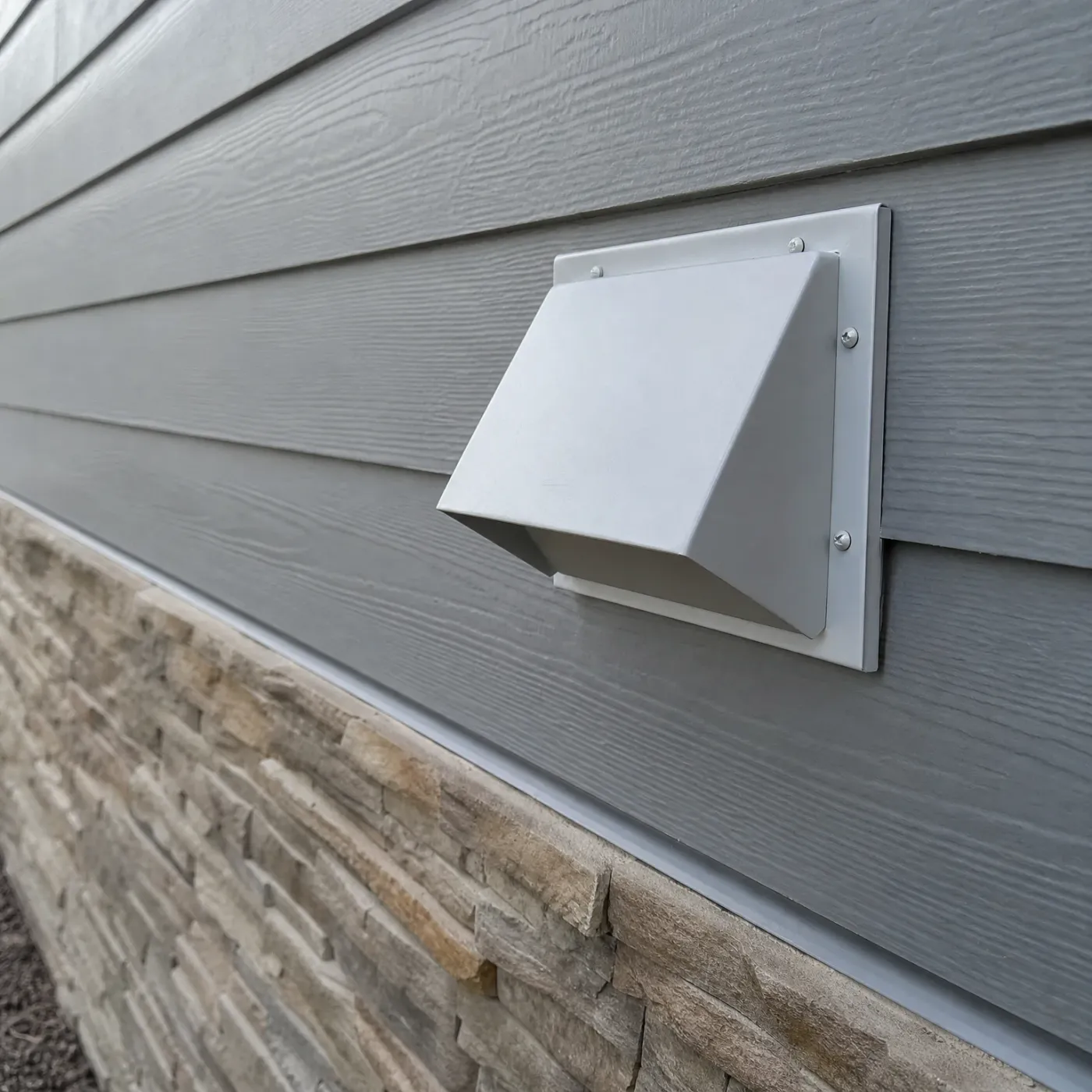
A square stainless steel wall vent with four corner screw holes and a hinged flap cover, partly open to reveal a dark circular duct opening, shown against a plain light gray background.
Get my match

Why is my dryer taking forever to dry clothes?

You load the dryer, set it for sixty minutes, and the clothes come out damp. Run it again and maybe the second cycle finishes the job, maybe it doesn't. That's more electricity spent on one load, and more of your evening gone standing around the laundry room instead of doing something else. A dryer that worked fine a year ago shouldn't suddenly need two or three runs for the same basket of towels.

A clogged vent is the most common reason

Lint builds up inside the vent line over time, and once enough of it packs in, the hot wet air the dryer is trying to push outside has nowhere to go. The drum keeps turning and the heating element keeps working, but the moisture just sits in the clothes instead of leaving the house. A dryer in this state runs hot to the touch, the laundry room gets warm and humid, and a cycle that should take forty minutes stretches to sixty or ninety. The fix isn't a hotter or longer setting. It's clearing the path the air is supposed to take from the drum to the outside wall.

A pile of folded and crumpled towels in tan, gray, and navy rests on top of a white washer or dryer beside a window with backlit foliage outside, against a dark wall.

It's almost nine on a Tuesday and you're still in the laundry room because the towels won't quit. You've run them twice already, standing there in sock feet while the dryer hums through another cycle you didn't plan on. Now they're piled on top of the machine, warm but not dry, smelling faintly of hot dust instead of clean cotton. Outside it's gone dark and the house has gone quiet, but you're still at it. You press your hand into the pile and feel the damp come through. You think about the vent behind the dryer, how long it's been since anyone looked at it, and whether that's the reason you're standing here instead of in bed.

Why does a household your size feel a slow dryer the most?

  • 2.55 people per household on average

    Washington County households run 2.55 people on average, and that's towels and jeans piling up daily. A dryer stuck on two cycles a load falls behind fast.

  • Half the homes here were built by 1995

    Half the homes here went up in 1995 or earlier. A vent run that was fine twenty years ago can collect enough lint to choke the airflow today.

  • Power here costs 13.18 cents per kilowatt-hour

    Electricity here runs 13.18 cents per kilowatt-hour, cheap by most measures, but a dryer running two cycles instead of one still doubles what that load costs you.

ACS 2020-2024 · EIA-861 2025

Run it again and hope

You can keep doing what you're doing. Set it for another sixty minutes, go fold something else, come back and check. Most of the time a second cycle finishes the load, so the clothes get dry eventually and the only cost is the time standing in the laundry room and the extra electricity on the bill. If the vent is only partly blocked, this works for a while. The dryer runs hotter and longer than it should, but it still gets there. Nothing changes until the blockage gets worse or the heating element gives out from the strain, and then a load that used to take two cycles stops finishing at all.

Have the vent checked

A contractor can run a line through the vent from the dryer to the outside hood and clear what's built up along the way. If lint is the problem, this is the whole fix, not a patch on it. Once the air moves the way it's supposed to, a load dries in one cycle instead of two, and the dryer stops working as hard to get there. You don't have to guess whether it's the vent or the machine itself. Fill out the form and you're matched with someone who can look at the line and tell you straight, and from there it's off your plate.

A smiling bearded man in a dark blue henley shirt sits leaning back on a light grey sofa in a living room, with a bowl of popcorn on a wooden coffee table and a large window behind him.
A bearded man in a dark quarter-zip sweater sits smiling on a brown sofa in a dimly lit living room, with a bowl of popcorn and a mug on a table in the foreground and a potted plant near a window behind him.
A smiling man with graying dark hair and a beard, wearing an olive sweater, sits on a sofa in a living room beside a bowl of popcorn on a wooden table.
A smiling man in a dark green henley shirt sits on a gray sofa in a living room with a lit table lamp, wooden shelving unit, and a bowl of popcorn in the foreground.

What the vent is supposed to do

A dryer pushes hot, wet air out through a duct to the outside. That air has to move the full length of the duct and out the hood flap in one pass. When lint builds up along the way, the same volume of air has nowhere to go, so the moisture stays in the drum instead of leaving the house. The dryer keeps heating because that's all it knows how to do. It has no way to tell that the air isn't actually escaping.
How a clean duct changes the load

Clear the duct and the moist air has a straight path out again. A load that used to take two cycles can finish in one, because the air carrying the moisture away is actually leaving instead of recirculating through the drum. The heating element and the motor also stop working as hard for the same load, since neither has to run through a second cycle to get clothes dry. Airflow either exits the house or it doesn't. A clean vent means it does.

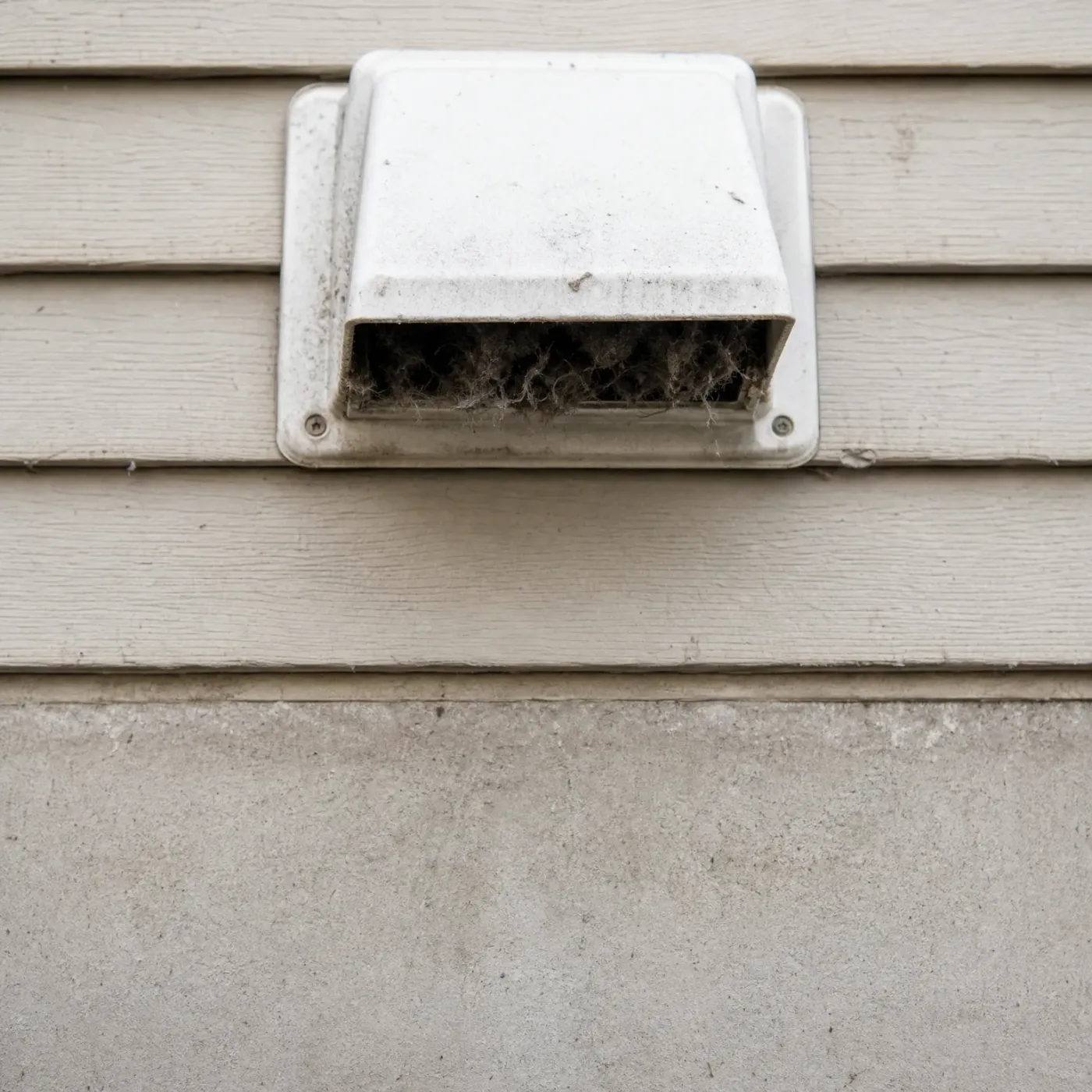
A white plastic dryer vent hood clogged with grey lint, mounted on beige horizontal lap siding above a concrete foundation wall.
Before you get your dryer vent cleaning
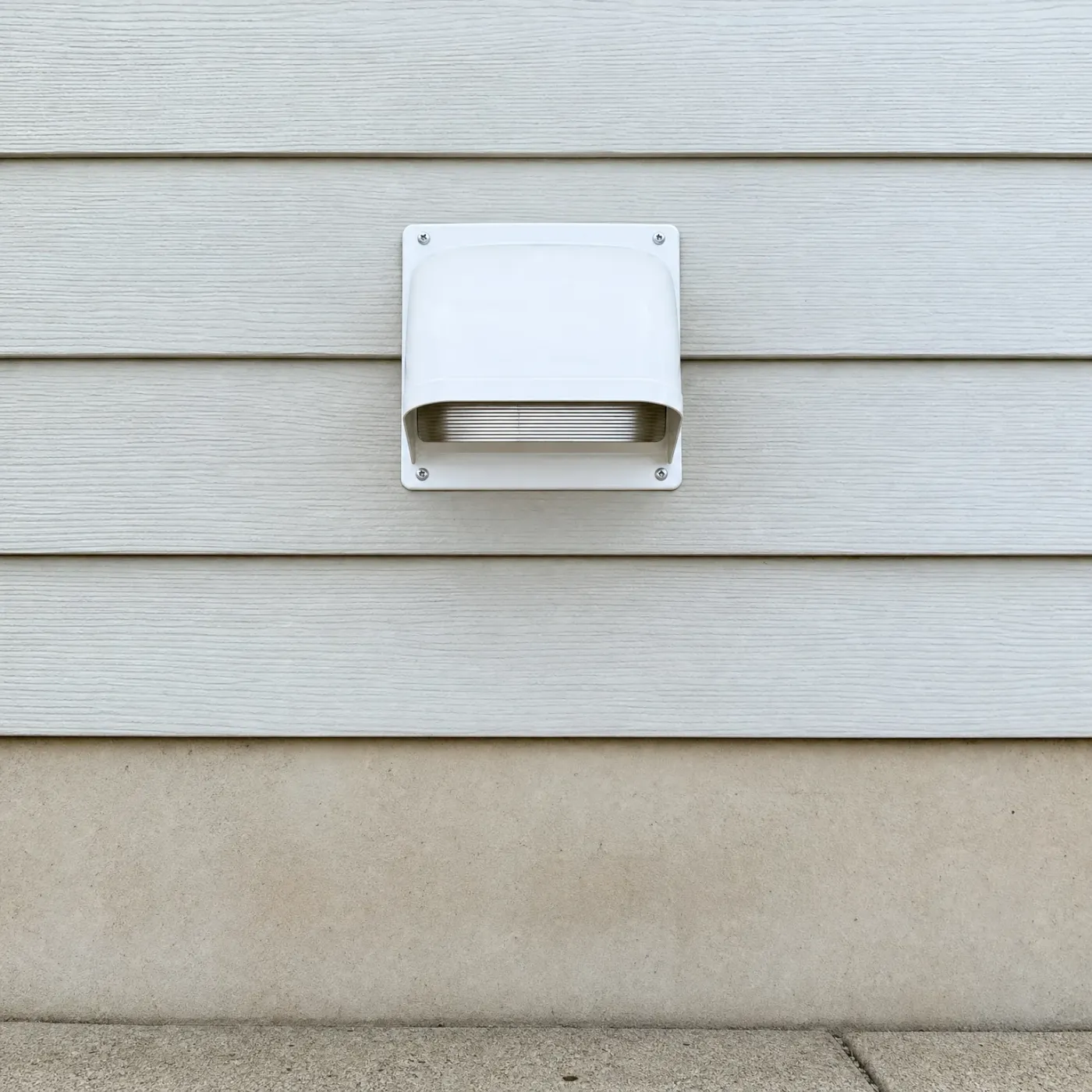
A white hooded dryer vent with a louvered opening mounted on light beige horizontal lap siding above a concrete foundation and sidewalk.
After you get your dryer vent cleaning
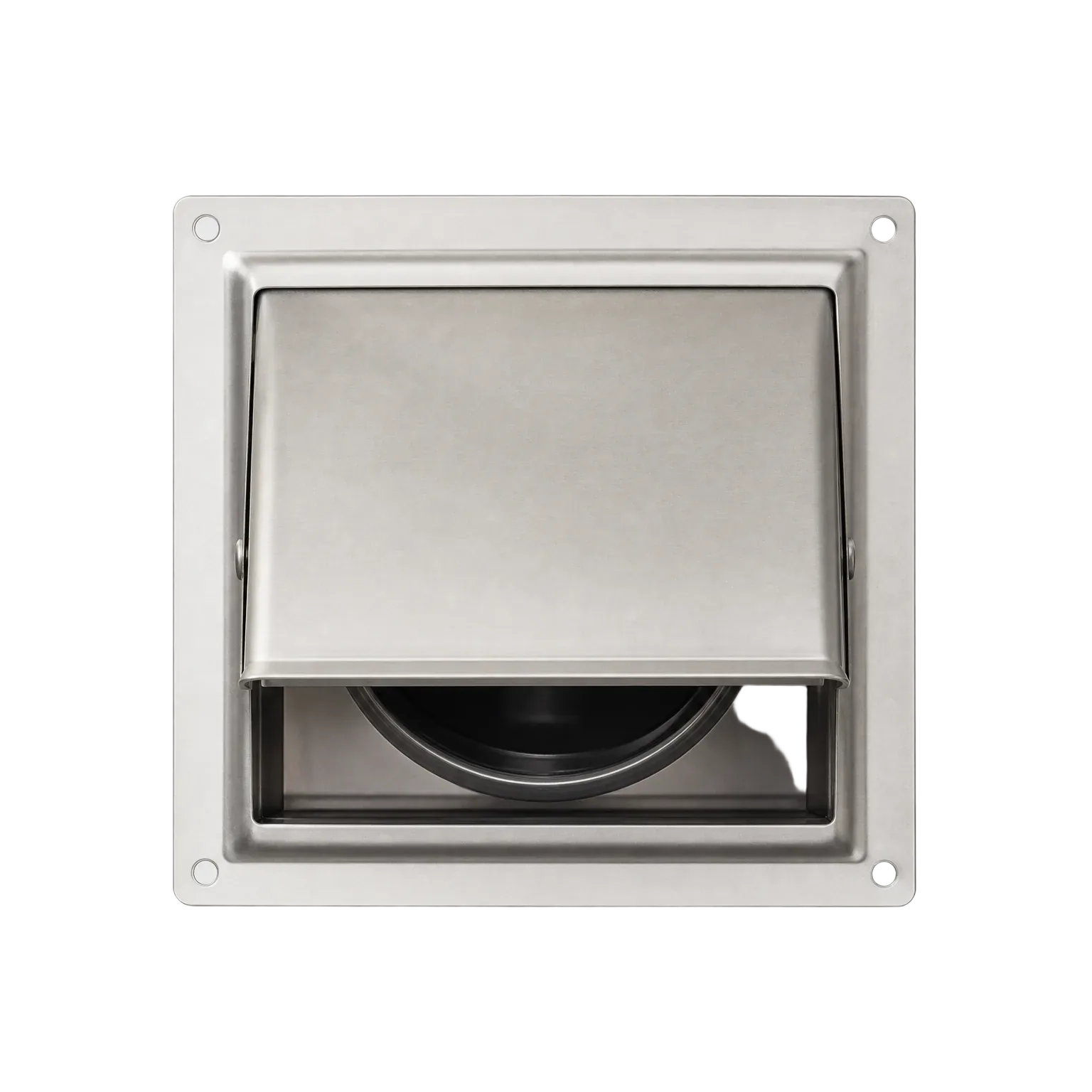
A white hooded exterior vent cover screwed to gray horizontal lap siding above a stacked stone veneer base.

Get matched with a dryer vent pro in Washington County

Send the form and finding a dryer vent cleaner is handled.

Your request goes to a Washington County pro who takes dryer vent jobs.

Request a pro

There's no charge for the request.

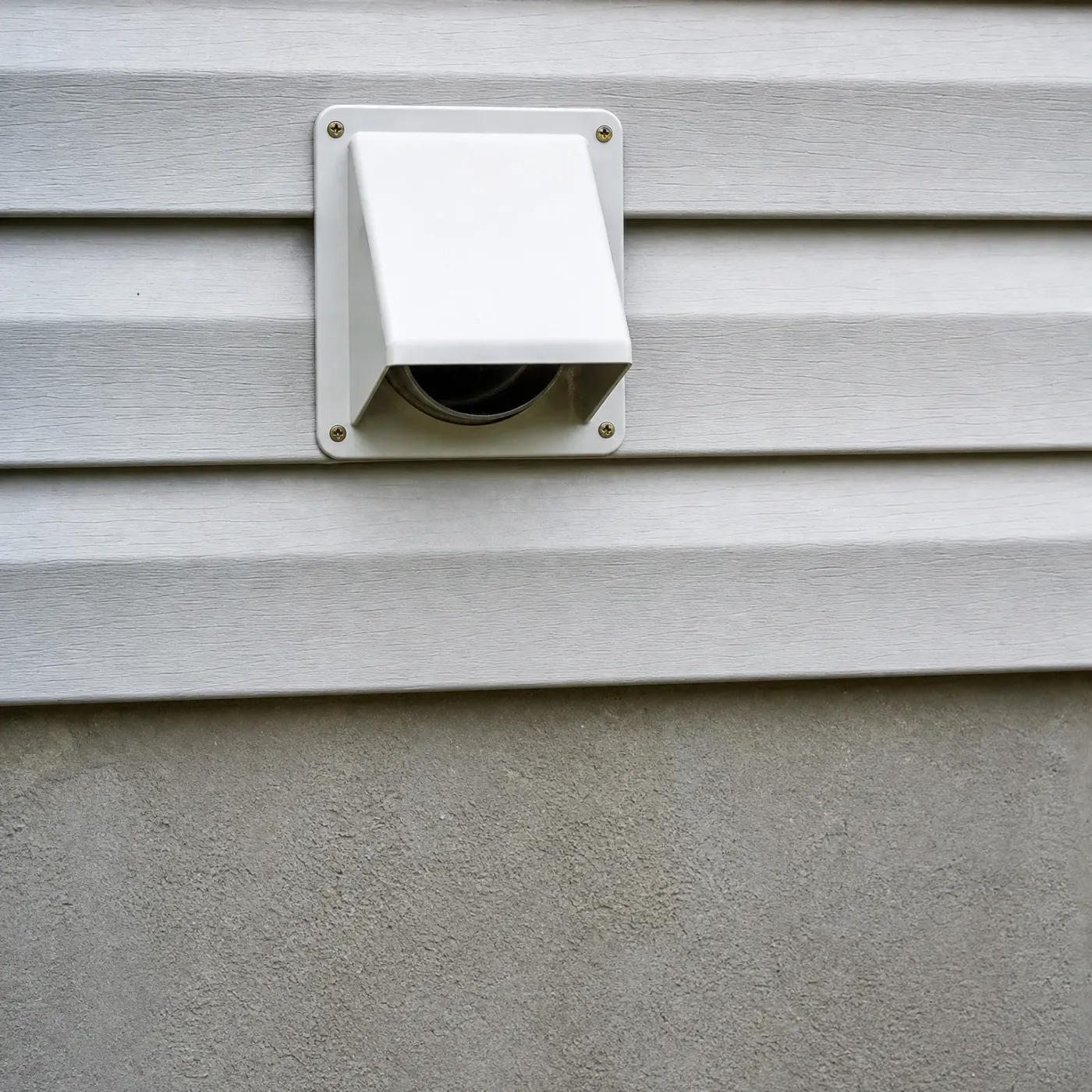
A white hooded dryer vent with a square mounting plate screwed onto light gray horizontal vinyl siding, above a gray stucco-textured lower wall.
Air moves out through the hood in one steady push, so heat and damp leave with it instead of circling back through the drum.
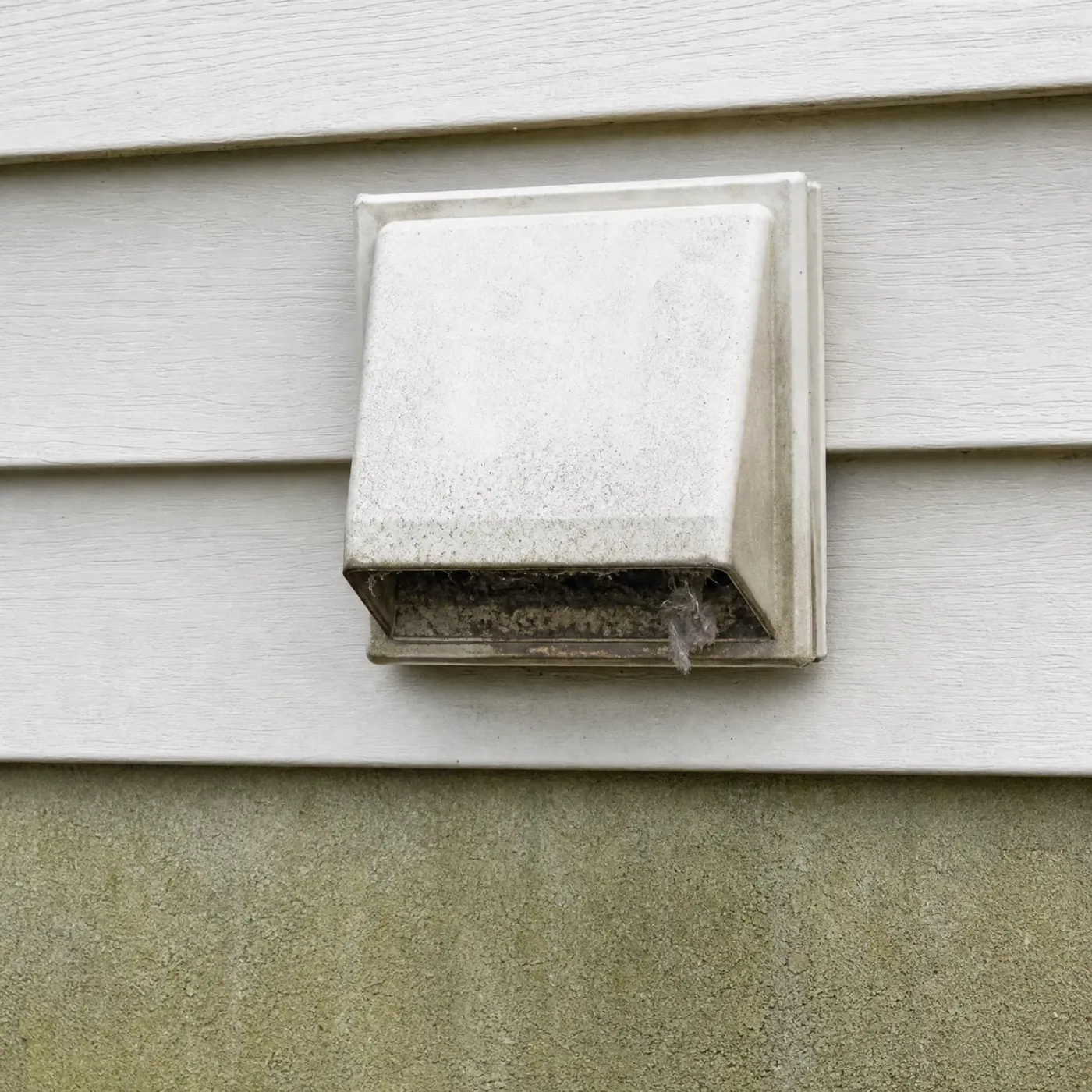
A white plastic dryer vent hood mounted on light-colored horizontal lap siding, with lint caught in its lower opening and a green-stained foundation wall below.
Lint has packed the flap shut, so the same hot air that used to escape in one pass now backs up into the duct and the drum.

How your dryer decides it's done

  • A dryer senses dryness two ways: a timer that just counts minutes, or a moisture sensor strip that reads the drum.
  • On automatic cycles, the sensor strip has to touch tumbling clothes to register they're still wet and keep the cycle going.
  • Lint film on the sensor strip can fool it into reading dry, so the dryer shuts off early and the load still feels damp.
  • The thermostat inside the duct work also watches exhaust temperature, and a clogged vent throws that reading off.
  • Gas dryers light a burner to heat the drum air, and weak airflow from a blocked vent makes that burner cycle on and off more than it should.
  • Every pass of air through the drum carries moisture out through the vent, so if that air can't leave, the next pass starts wetter than it should.

A dryer stops itself one of two ways. Older models just run a timer, heating the drum for whatever length you set and quitting when time is up, whether the clothes are dry or not. Most newer ones use a moisture sensor instead, a small metal strip inside the drum that clothes brush against as they tumble. That strip reads how much moisture is still in the fabric and keeps the heat running until the reading drops low enough to call the load dry.

That system only works if the strip itself is clean. Dryer sheets and lint leave a film on it over time, and once that film builds up, the sensor can't get an accurate read off the clothes passing by. It reports dry when the load is still damp, and the dryer shuts off a cycle early. A gas dryer adds another layer to this. It lights a burner to heat the air going into the drum, and that burner is controlled by a thermostat that watches the temperature of the exhaust. When the vent is clogged and airflow drops, that exhaust runs hotter than it should, and the burner starts cycling on and off more than normal trying to compensate.

Underneath both of these systems is the same basic job: air moves through the drum, picks up moisture off the clothes, and carries it out through the vent. If that air is slow to leave, the next pass through the drum starts with air that's already partway damp, and drying takes longer no matter what the sensor or thermostat reads.

2.55 people per household on average

At 2.55 people, most houses here are doing laundry most days, not once a week. A dryer that needs two cycles to finish a load eats into whatever evening you had left, load after load, week after week.

ACS 2020-2024

A dryer that needs two cycles to do one load has a vent that isn't clearing the way it should. That's the whole answer. Lint has narrowed the path, the hot wet air has nowhere to go, and the sensor strip or the timer just keeps running past the point where the load should have been done. Clearing that path is what brings the dryer back to one cycle a load. You don't have to keep running it twice and hoping the second pass finishes the job. Send the form and the job of finding someone to clear that vent is off your plate. A contractor who covers Fayetteville and Washington County will reach out, look at your vent run, and clean it out so the air moves the way it's supposed to again. Your evenings are worth more than standing in the laundry room waiting on a machine that's already told you something's wrong.

A dark-clad house with large windows beside a gravel driveway lined with in-ground path lights, ornamental grasses and hydrangeas, with distant hills and an orange sunset sky.

Dryer Vent Cleaning

Find a dryer vent cleaning pro in Washington County

Duct and vent cleaningWashington County, AR
Step 1 of 3

What kind of equipment?

  • A beige upholstered armchair with a green cushion and a knitted throw sits beside a window with a rain-speckled pane, with a lit table lamp and bookshelf behind and a wooden side table holding a ceramic mug and a book.
    • Get matched with a Washington County pro who cleans dryer vents.
    • Your dryer vent cleaning request goes to a local pro who does this work.
  • A ceramic table lamp with a wide linen shade and a dark wooden bowl sit on a round wood side table beside a beige upholstered sofa with a chunky knit throw, in front of a curtained window.
    • Once you send the form, finding a pro is off your list.
    • After you send the request, you're done searching.
  • A living room with a light gray sectional sofa holding brown and cream textured pillows and a knit fringed throw, a rustic wood coffee table with stacked books and a stone vase of olive branches, built-in shelves with pottery, and a tall olive tree beside a curtained window.
    • Skip searching for someone who cleans dryer vents in Washington County.
    • Skip searching for a dryer vent pro and answer a few questions instead.
  • A ceramic urn-shaped table lamp with a mottled gray glaze and beige drum shade sits on a dark wood side table beside a potted green plant, next to a light beige upholstered sofa and a framed artwork on a gray wall.
    • The pro who gets in touch is licensed in Arkansas and works in Washington County.
    • A licensed pro who works in Washington County gets your request.