

How often to clean a dryer vent in Arkansas
A local pro who cleans dryer vents gets in touch with you.
Find a dryer vent proOnce a year is the general rule for a dryer vent, and in Arkansas there's a reason to not push past that. Summers here run muggy, and that humidity gets pulled into the dryer along with the air it uses to push moisture out of your clothes. Lint mixed with that damp air sticks to the inside of the vent more than it would somewhere dry, and a sticky vent clogs faster than a dry one. If your dryer runs hot to the touch on top, or a load that used to take forty minutes now takes an hour, the vent is likely restricted. A clogged vent also means the dryer runs longer to do the same job, and it's a known cause of house fires when lint builds up near the heating element. If you run several loads a week or have a long duct run to the outside wall, check it closer to every six months instead of waiting the full year.




Why is my dryer taking longer to dry clothes?
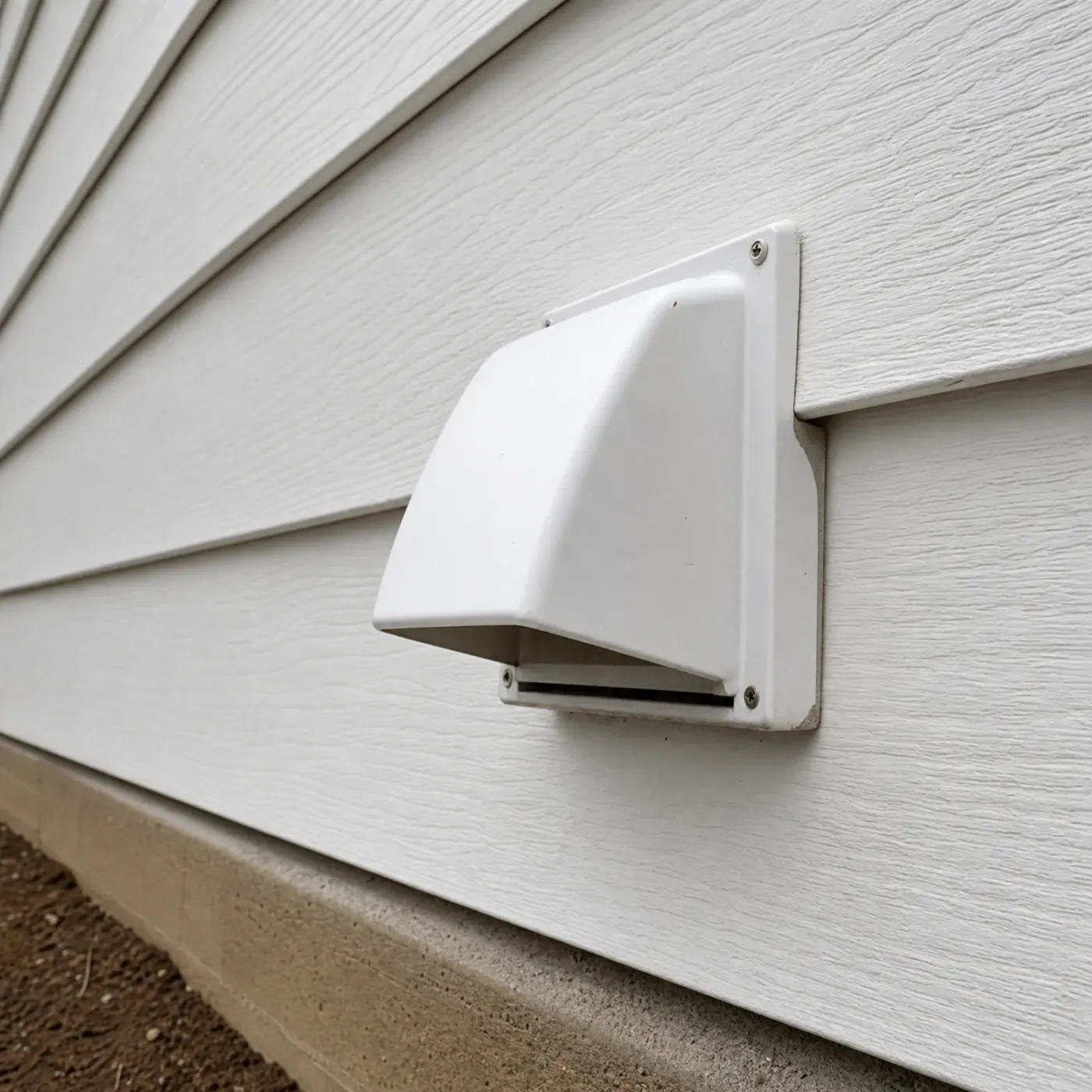
You load the same amount of laundry you always have, and now it takes two or three cycles to get it dry. The top of the dryer feels hot to the touch. The laundry room feels warmer and more humid than it should, especially in summer when the air outside is already heavy. You might catch a burnt dust smell when the dryer first kicks on. Check the outside vent hood while the dryer runs: if the flap barely moves or you feel only a weak puff of air, the vent is restricted somewhere between the drum and the outside wall. Left alone, a blocked vent makes the dryer run hotter and longer than it was built to, and that heat has nowhere to go but back into the house.

Where the lint actually collects
Lint doesn't stop at the trap. Some of it rides the airflow down the vent line, and in the bends and the long runs it slows down and sticks to the sides. A straight, short vent clears itself out better than one with turns in it. Over a year, that buildup narrows the path the air has to travel, and the dryer has to push harder to move the same load of warm, wet air outside.

What a blocked vent costs the motor
The dryer's motor and blower are built to move air against a certain amount of resistance. Lint packed into the vent raises that resistance past what the machine was designed for. The motor runs the same length of time but moves less air, so heat that should be carried outside stays inside the drum and the housing. That's the extra heat you feel on top of the machine when the vent is partly blocked.
How Often Your Vent Needs It
Once a year
- This is the schedule for a dryer that runs a normal load a few times a week and vents through a short, straight run.
- A yearly cleaning catches the lint before it packs into the bends tight enough to slow the airflow.
- Electric dryers here don't put off exhaust heat the way gas ones do, but lint still builds the same regardless of what powers the dryer.
- If the vent run is short, under 10 feet or so, once a year is usually enough to keep it clear.
- You'll still notice the dryer running a little warmer than usual by the time that year is up, which is normal and not a sign you waited too long.
More than once a year
- A long vent run, one with several turns to get outside, collects lint faster and needs a look sooner than 12 months.
- If you're drying towels, bedding or heavier loads often, more lint is moving through the line between cleanings.
- A household running the dryer daily, rather than a few times a week, pushes more lint through in the same stretch of time.
- Arkansas summers add moisture to the mix, and damp lint sticks to the inside of the vent instead of blowing through, so it can build up faster than dry lint would.
- If clothes have been coming out hotter or damper than usual, the vent may need checking before the year mark rather than after.

Lint leaves the trap and rides the airflow out
Air slows down first at every bend in the line
Lint sticks to the duct wall where air slows most
Buildup narrows the vent and traps more with each load


A pro who works on dryer vents
Your dryer vent cleaning request goes to one local pro.
Your dryer vent cleaning request goes to a local pro who does this work.
You're not committing to anything by asking.
Why does lint buildup in the vent make my dryer run hotter?
You've noticed the dryer running hotter than it used to, maybe the top of the cabinet is warm enough to feel through the metal, and you're wondering if that's normal wear or a sign of something building up inside the vent line.
A blocked vent traps heat that's supposed to leave with the exhaust air
A dryer works by pushing hot air through wet clothes and sending that moist air out through the vent. When lint narrows the duct, less air gets out, so the heat the dryer generates has nowhere to go. The heating element keeps firing the same as always, but now it's warming a smaller volume of air that isn't moving the way it should. That air sits inside the drum and the duct longer, and the cabinet gets hot to the touch. In Arkansas, where summer humidity already adds moisture for the dryer to work against, a narrowed vent makes the machine run harder and longer just to get a load dry, and the extra heat has to go somewhere in the meantime.


A long vent run or one with several bends needs cleaning more than once a year, since lint has more places to catch and more distance to travel before it clears the line.
A short, straight shot to the outside wall holds up longer between cleanings, because the air moves through it fast enough to carry most of the lint all the way out.
Power costs 12.87 cents per kilowatt-hour statewide
Most homes in Arkansas heat with electricity, and at 12.87 cents a kilowatt-hour, that power is cheap compared to a lot of the country. A clogged vent still costs you something, though. Your dryer runs longer to get clothes dry, and every extra cycle burns more of that electricity than the vent cleaning would.
EIA-861 2025 statewide residential average

It's almost nine on a Tuesday and you're still in the laundry room. The dryer's been running since before dinner, two cycles down, and the towels on top of it are still damp enough to feel cool where they touch your hand. The room's warmer than the rest of the house, and the air in here has that thick, used feeling summer brings anyway. You press the stack flat, feel for the driest ones to run a third time, and set the rest aside. The dryer hums on behind you, warm along its top panel, working through a load it would normally finish in one go.

Once a year, on a schedule that fits your vent run
A dryer vent in Arkansas needs cleaning once a year, sooner if the run is long or has several bends. That's the whole answer. Everything else is just how you noticed the lint had gotten ahead of you, the longer dry times, the hot cabinet, the warm laundry room, and what happens in the duct to cause it.
Knowing the schedule is one thing. Finding someone who'll actually run a brush the full length of your vent, through your bends and your particular run, is another. A local contractor who handles this kind of job all season knows what a vent like yours usually needs, and you'll hear back from just the one, not a handful of companies competing for your callback.


Get your dryer vent to the right pro
The pro who reaches out is licensed in Arkansas.