Heat Pump Repair in West Memphis, AR
Homes here need heat from November through March and cooling from May through September. If your system quits, tell us what it's doing and a licensed contractor who covers Crittenden County will get in touch.
Tell us about the job
It takes about a minute.
Ten months of run time wears a heat pump down
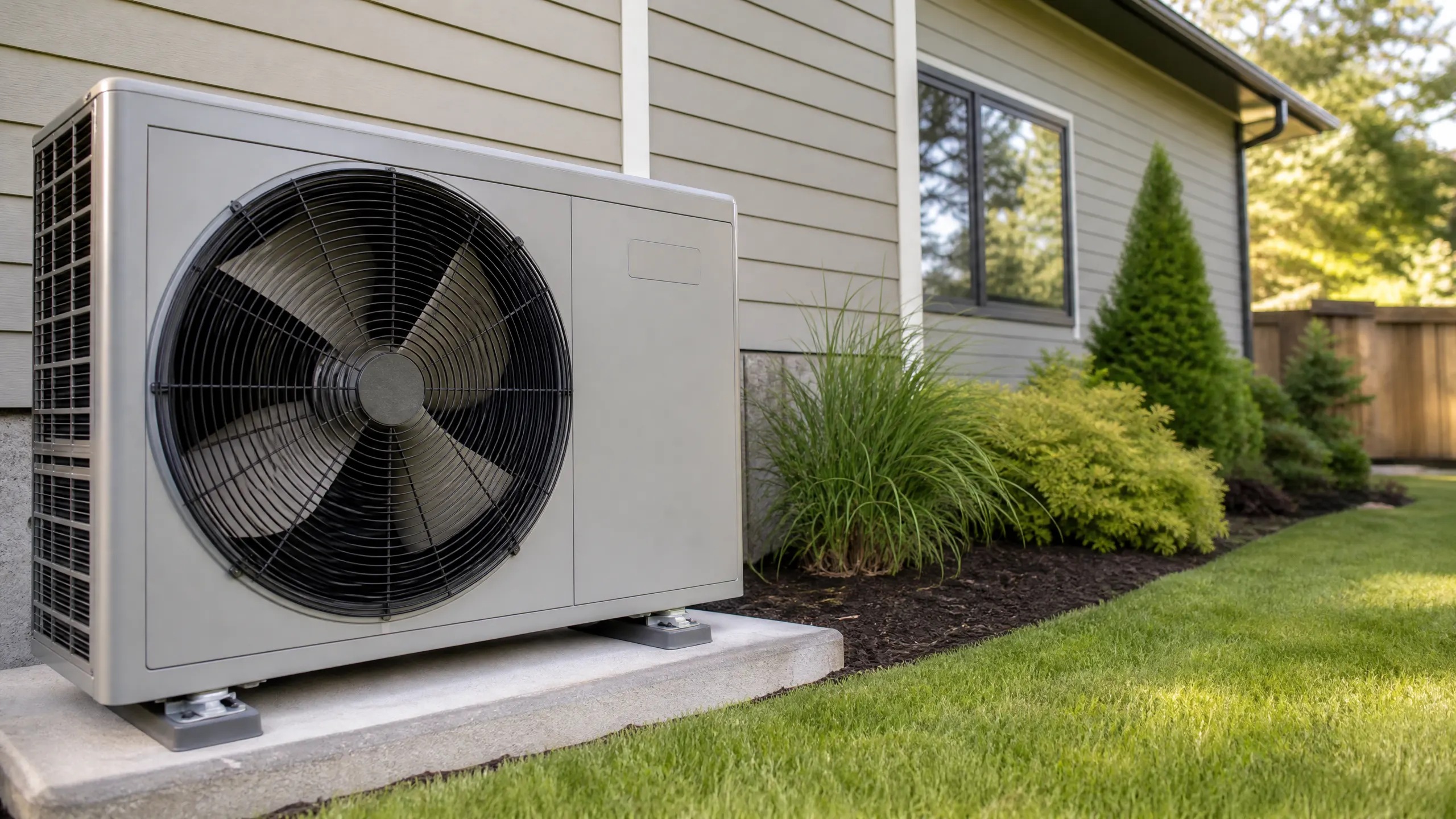
Your heat pump works ten months a year here, heat from November through March and cooling from May through September. Winter nights averaging 34°F mean it runs in defrost more than it would somewhere milder, and summer afternoons near 90°F push it hard on the cooling side. There is almost no season where it just sits.
That much cycling wears on the reversing valve and the outdoor coil first, since those parts work both sides of the job. Crittenden County has also seen 15 winter storms and 27 damaging wind events over the past ten years, and power in Arkansas goes out for a day or more in close to a quarter of households some years. A hard outage during a cold snap can trip the system, and it should come back on its own once power returns. If it does not, or if you notice weak heat on cold nights or the outdoor unit struggling to keep up on hot afternoons, that is the wear showing itself.
- 5 months
- November through March, your system heats
- 5 months
- May through September, it cools
- 34°F
- the average winter night it heats against
- 90°F
- the average summer afternoon it cools against
NOAA nClimDiv, 1991–2020 normals
Arkansas requires HVAC contractors to hold a state license.
The license is held by the contractor, not issued job by job, so the same license that let them take on a furnace install or a duct repair is what covers the work at your house. Because the state licenses HVAC contractors, cities and counties in Arkansas aren't allowed to layer on their own local license on top of it. Wherever you are in Crittenden County, the rule is the same one.
A heat pump repair almost always means opening the refrigerant side of the system, and federal law requires the technician doing that to hold EPA Section 608 certification, on top of the state license. That certification is about handling refrigerant safely and legally, not about the quality of the repair itself. The state license is what stands behind the work as a whole.
Source: Arkansas Department of Labor and Licensing
- Why is my heat pump blowing cold air?
- In heating mode, your heat pump moves warm air that feels cool next to your skin even when it is working right, since the air coming out is usually well below your body temperature. But if the air feels truly cold, not just mild, the system may have switched into defrost mode, or the reversing valve that switches it between heating and cooling could be stuck. On a night near freezing, check whether the outdoor unit is coated in ice. If it is, that points to a defrost problem rather than a normal cycle, and a licensed contractor should look at the reversing valve and the defrost control.
- Why is there ice on my heat pump?
- Some frost on the outdoor unit during winter is normal. Your heat pump runs a defrost cycle on its own to clear it when conditions call for it. Thick ice that does not clear, or ice that builds up even when it is well above freezing outside, means the defrost cycle is not kicking in or the outdoor coil is not getting enough airflow. Check that nothing is blocking the outdoor unit, then have a contractor check the defrost control board and the sensors that tell it when to run.
- Why is my heat pump running but not cooling?
- If the outdoor unit is running but the air inside is not getting cooler, the most common cause is low refrigerant from a leak. It can also mean the outdoor coil is caked with dirt or grass clippings, since that coil has to release heat outside for the indoor air to cool down. On a 90°F afternoon, a system fighting a dirty coil or a refrigerant leak will run long and still lose ground. Check the outdoor unit for visible debris around the coil, and if it is clean, a licensed contractor will need to check refrigerant levels since that requires proper equipment.