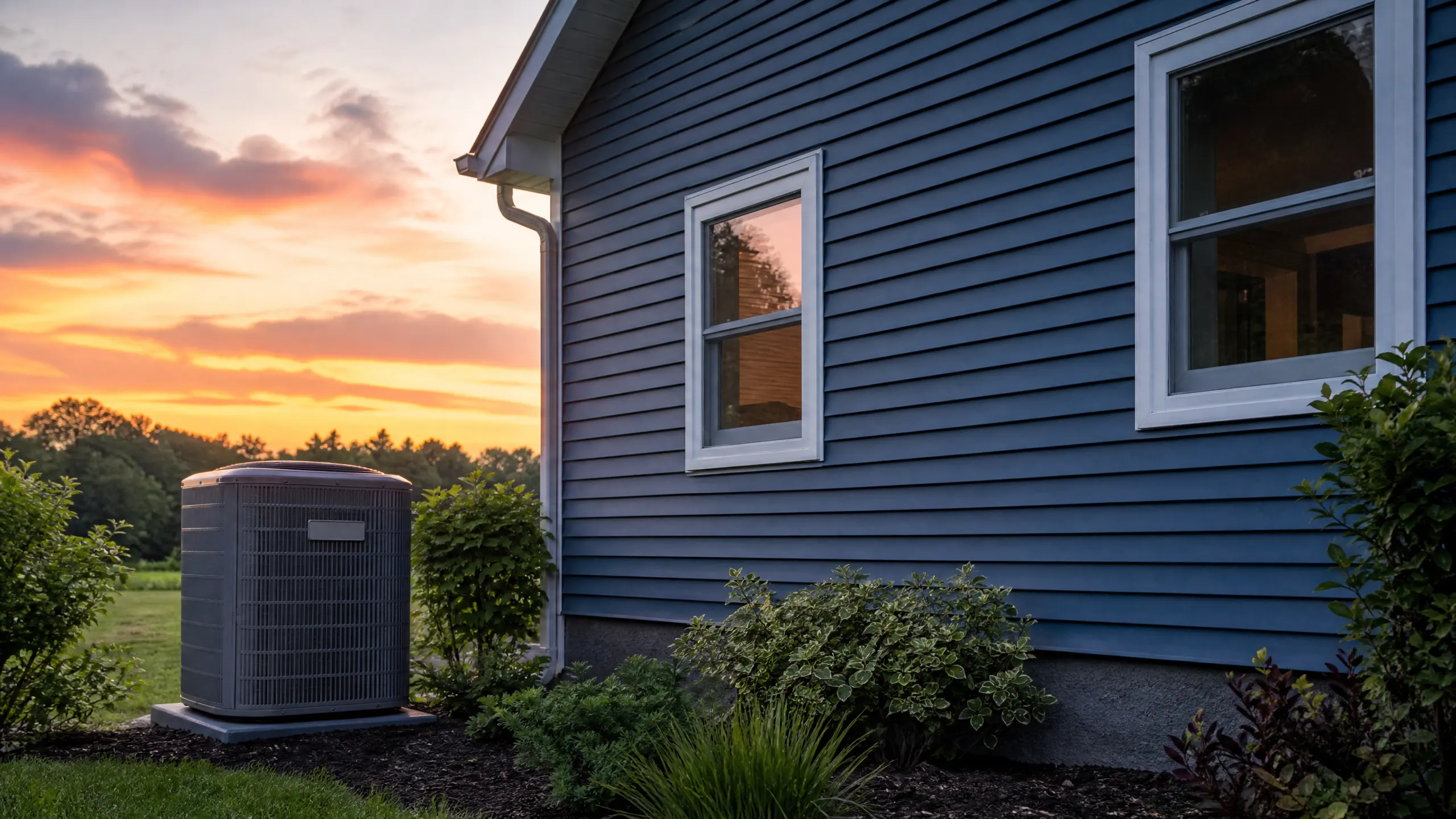
HVAC Installation in West Memphis, AR
A new system here will heat from November through March and cool from May through September every year. Tell us about the house, and a licensed contractor who covers Crittenden County will get in touch.
Tell us about the job
It takes about a minute.

Ten months of work a year, with storms on top of it
West Memphis homes need heat from November through March and cooling from May through September. That is ten months a year the system is running, one season handing off to the other. Winter nights average 34°F, so the furnace is not fighting extreme cold, but it is working most nights for five months straight. Summer afternoons average 90°F, and the air conditioner carries that load just as long on the other end of the year.
A new system here needs to hold up through both seasons and through what the weather does in between. Crittenden County has seen 15 winter storms and 27 damaging wind events over the past ten years, and in 2024, 24% of Arkansas households went at least 24 hours without power. An installation is a chance to plan around that, not just around next month's forecast.
- 5 months
- November through March, your system heats
- 5 months
- May through September, it cools
- 34°F
- the average winter night it heats against
- 90°F
- the average summer afternoon it cools against
NOAA nClimDiv, 1991–2020 normals
Arkansas requires HVAC contractors to hold a state license.
The license belongs to the contractor, not to this particular job. Arkansas tests and records the business itself, and that record stays the same whether the job is a repair or a full system swap. Cities and counties in Crittenden County cannot layer their own HVAC license on top of it, so the state license is the one credential that applies here.
For an installation like this, the license tells you the contractor was tested and is on record with the state. It does not stand in for a permit. Putting in a new furnace or air conditioner in most cities and counties still needs a permit from the local building office, and an inspection once the work is done, and that inspection is what checks the gas connections and wiring rather than the license itself.
Source: Arkansas Department of Labor and Licensing
- When should I replace my HVAC system?
- Replace it when repairs start costing more than they're worth, or when the system can't keep up anymore on the coldest nights and hottest afternoons. Homes here need heat or cooling ten months out of the year, November through March and May through September, so a struggling furnace or air conditioner does not get much rest. If yours needs frequent repairs or takes longer to recover after a storm knocks the power out, that's a sign it's already working harder than it should.
- Should I replace my furnace and air conditioner at the same time?
- If both are old, replacing them together often makes sense, but it depends on the condition of each one. A furnace and air conditioner installed at the same time are matched to work together, which can mean fewer problems down the road. If only one is failing, a licensed contractor can look at the other and tell you whether it has enough life left to wait.
- What happens during an HVAC installation?
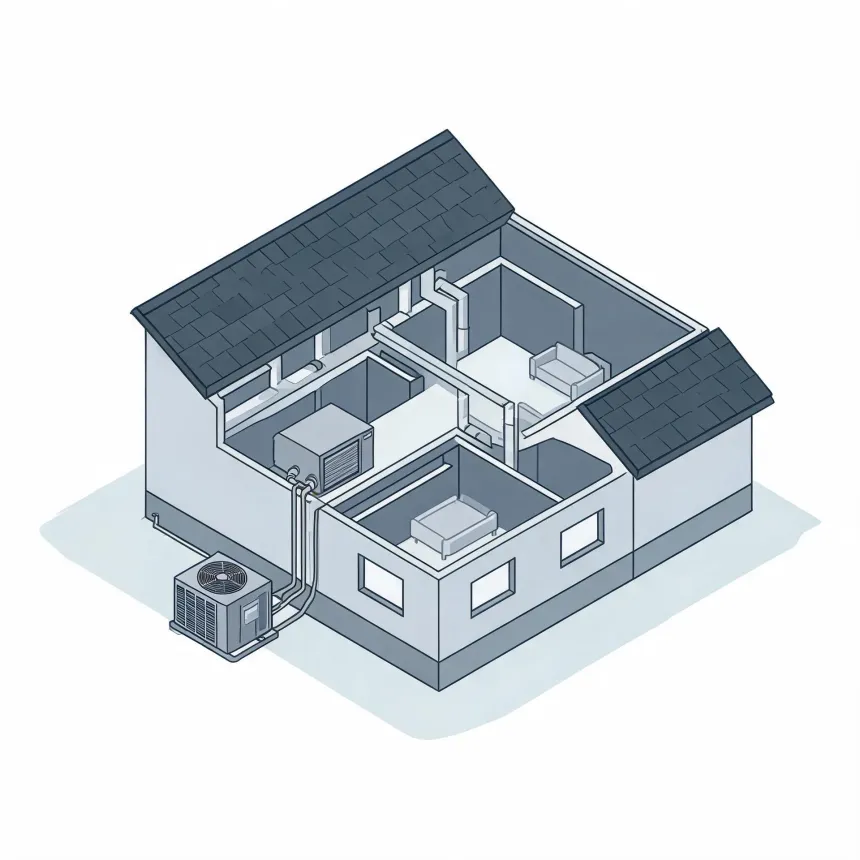
- A licensed contractor removes the old equipment, sets the new furnace or air conditioner in place, and connects it to the ductwork, gas or electric lines, and condensate drain. They check the ducts for leaks or damage, since the ducts carry the air the new system heats or cools. Once it's running, they test it, check refrigerant levels if it's an air conditioner, and confirm the thermostat works with the new equipment. Arkansas requires the contractor doing this work to hold a state license.