Heat Pump Repair in Blytheville, AR
Homes here need heat from October through April and cooling from May through September. If your system quits, tell us what it's doing and a licensed contractor who covers Mississippi County will get in touch.
Tell us about the job
It takes about a minute.
Your heat pump works almost every month of the year here
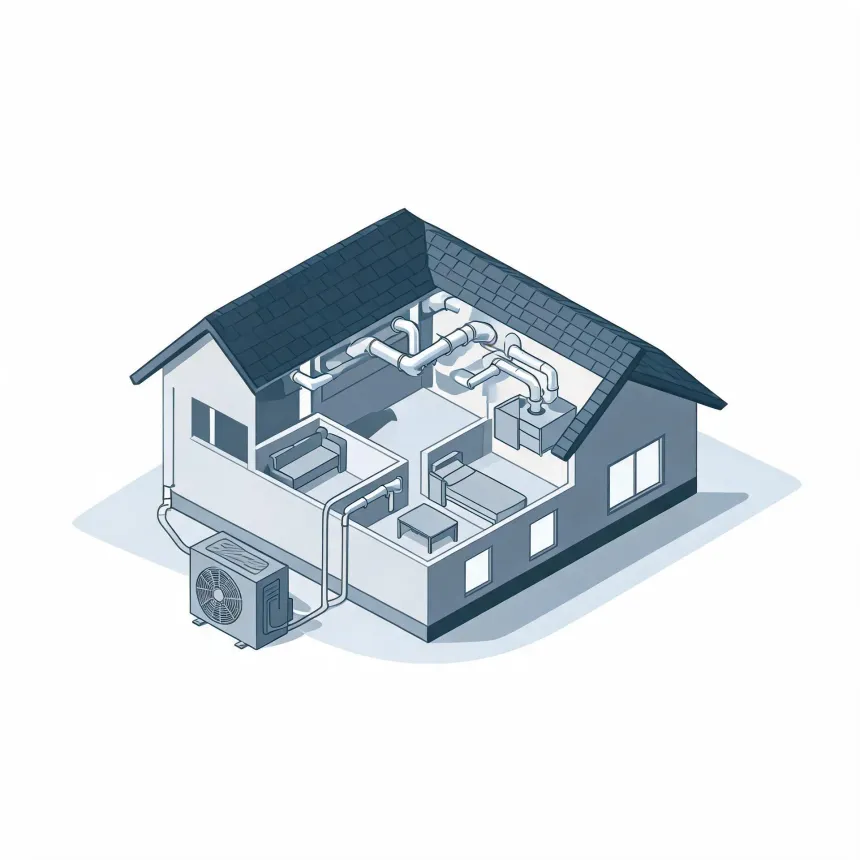
Blytheville asks a heat pump to heat from October through April, then switch over and cool from May through September. That leaves almost no season off, and the switch itself is hard on the reversing valve. When that valve sticks, the system blows cold air in winter or warm air in summer instead of doing its job.
Winter nights averaging 33°F mean the outdoor unit runs its defrost cycle often, melting frost off the coil so it can keep pulling in heat. A coil that stays iced over cuts the heat reaching the house. Summer afternoons near 89°F push the compressor hard for five straight months, and that steady load is what wears one out. Mississippi County also sees its share of damaging wind, 73 events over the last ten years, and a heat pump's outdoor unit sits right out in it. Bent fins or debris in the cabinet can block airflow and make the whole system work harder than it should.
- 7 months
- October through April, your system heats
- 5 months
- May through September, it cools
- 33°F
- the average winter night it heats against
- 89°F
- the average summer afternoon it cools against
NOAA nClimDiv, 1991–2020 normals
Arkansas requires HVAC contractors to hold a state license.
The license is held by the contractor's business, not issued job by job. Arkansas does not let a county or city add its own license on top of it, so the same rule applies whether this repair happens in Blytheville or anywhere else in the county.
A heat pump repair usually means opening the refrigerant side of the system. Federal law requires anyone who does that, in every state, to hold EPA Section 608 certification. In Arkansas that certification works alongside the state license rather than replacing it. The state license is what stands behind the contractor doing the work. The EPA card is what lets them legally handle the refrigerant itself.
Source: Arkansas Department of Labor and Licensing
- Why is my heat pump blowing cold air?
- In defrost mode, this is normal. Your heat pump reverses itself for a few minutes to melt ice off the outdoor coil, and the indoor unit blows cool air while that happens. If the air stays cold and never turns warm again, the system may have lost refrigerant or the reversing valve may be stuck, and a licensed contractor should check it.
- Why is there ice on my heat pump?
- A thin coat of frost in winter is normal and should clear on its own during defrost cycles. Heavy ice that builds up and stays means airflow is blocked, often by a dirty filter or a coil that needs cleaning, or the refrigerant charge is low. Left alone, that ice keeps the unit from heating your home and can damage the compressor, so it needs a contractor's attention.
- Why is my heat pump running but not cooling?
- The unit is running but not moving heat, which usually points to low refrigerant, a failing compressor, or a reversing valve stuck in the wrong position. Check first that the filter isn't clogged, since blocked airflow can mimic the same problem. If the filter is clean and the air still isn't cold, a licensed contractor will need to check the refrigerant charge and the valve.