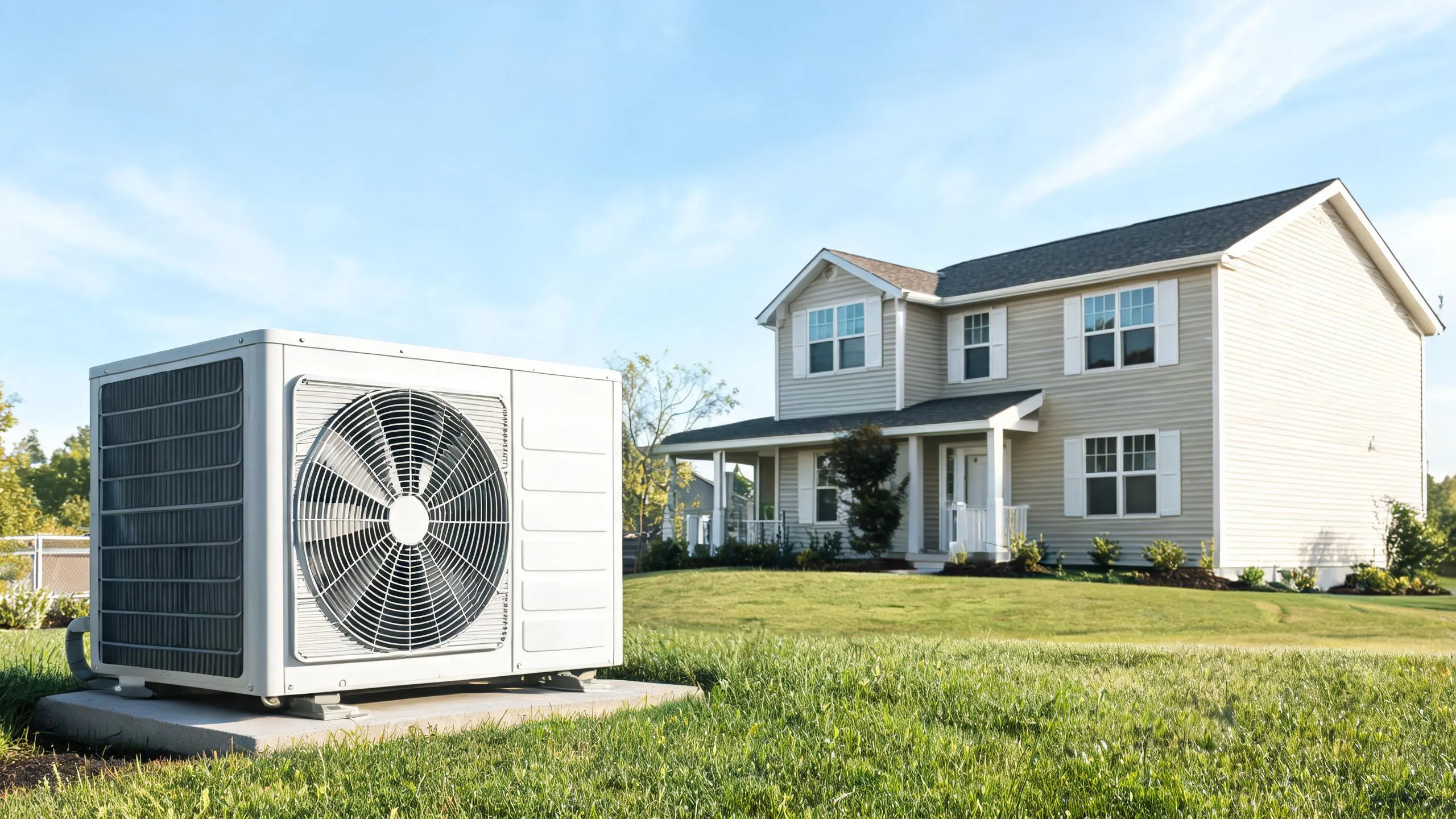
Heat Pump Installation in Blytheville, AR
A new system here will heat from October through April and cool from May through September every year. Tell us about the house, and a licensed contractor who covers Mississippi County will get in touch.
Tell us about the job
It takes about a minute.
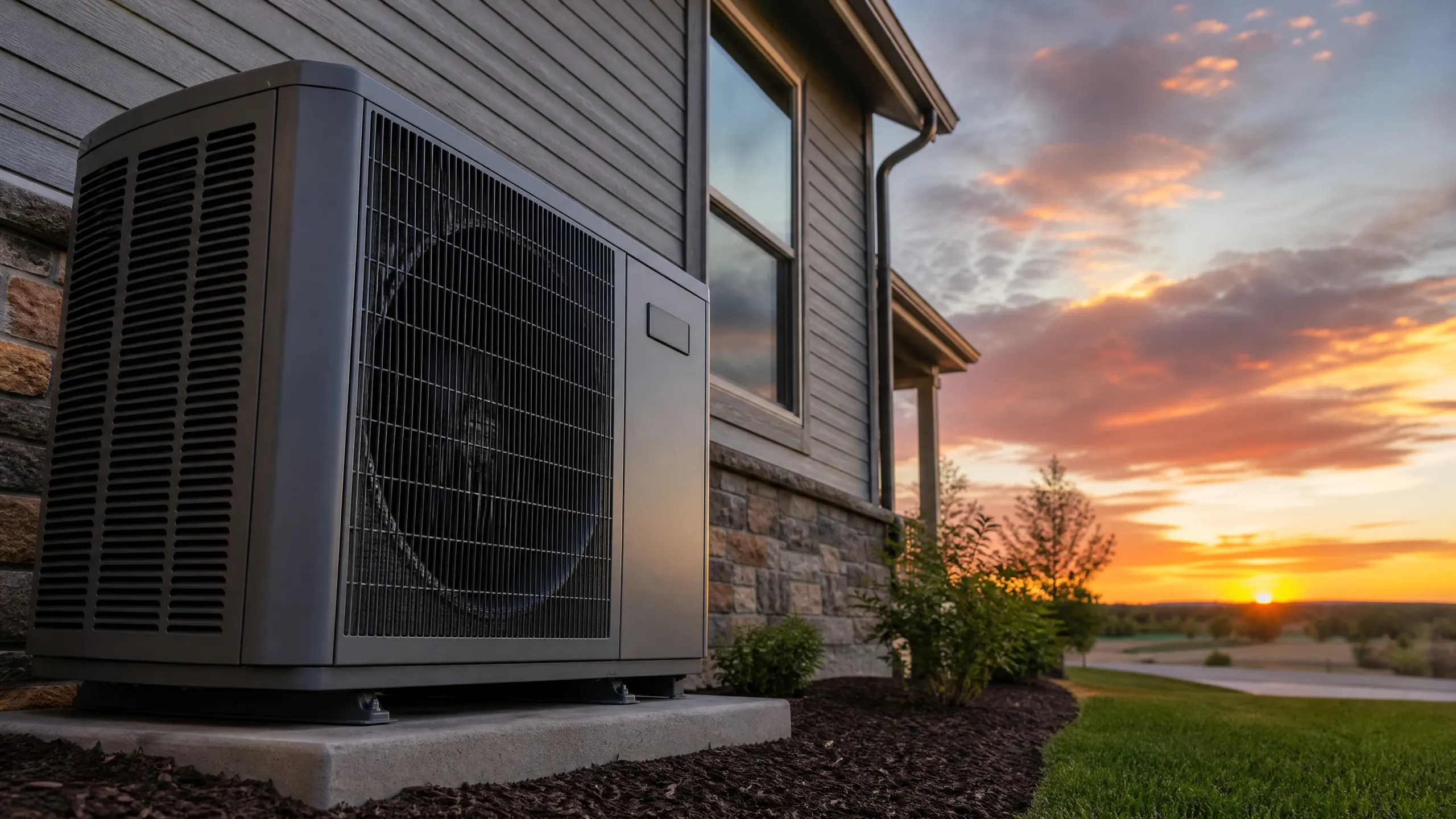
A heat pump here works almost every month of the year
Blytheville needs heat from October through April and cooling from May through September. That is 12 months of use, with barely a break between seasons. Winter nights average 33°F, mild enough that a heat pump can carry the heating load without much strain, and summer afternoons average 89°F, so the compressor is working hard on the other end too.
A new split-system heat pump has to meet federal minimums of 14.3 SEER2 for cooling and 7.5 HSPF2 for heating. Arkansas has seen its share of winter storms and damaging wind, and in 2024, 24% of households in the state lost power for at least 24 hours. Worth asking your contractor how the system you install handles an outage, since that is when a heat pump matters most.
- 7 months
- October through April, your system heats
- 5 months
- May through September, it cools
- 33°F
- the average winter night it heats against
- 89°F
- the average summer afternoon it cools against
NOAA nClimDiv, 1991–2020 normals
Arkansas requires HVAC contractors to hold a state license.
Arkansas issues the license to the contractor, not to the job, so the same license covers this installation and every other one that contractor takes on. Cities and counties in Arkansas cannot require their own separate HVAC license, so this rule is the same no matter where in Mississippi County the home sits.
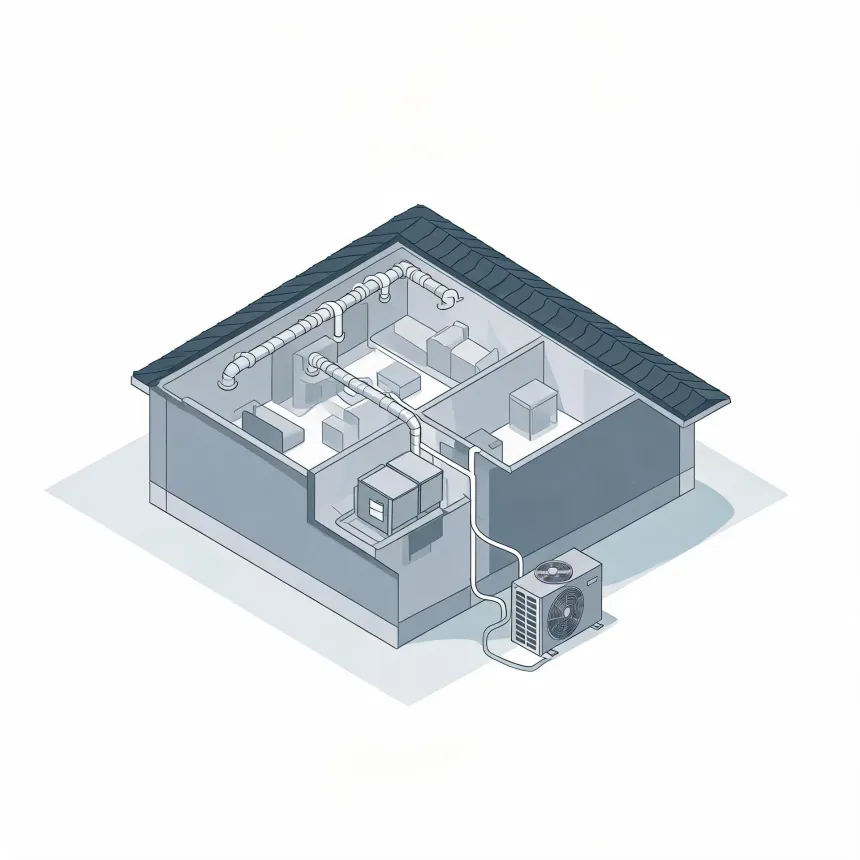
On a heat pump install, the license is what stands behind the contractor's name, but the work itself still gets checked at the local level. Most cities and counties require a permit for a heat pump replacement, with an inspection once the work is done, and that inspection is what confirms the unit was installed correctly at this address.
Source: Arkansas Department of Labor and Licensing
- Is a heat pump better than a furnace?
- It depends on what you're weighing. A heat pump handles both heating and cooling from one system, so you're not running separate equipment for your winters and summers here. A furnace only heats, and it does that by burning gas rather than moving heat like a heat pump does. Winter nights here average 33°F, which is well within the range a heat pump handles on its own. Half the homes in the area already heat with gas, so either path is common here, and a contractor can walk you through which fits your house.
- What's the difference between a heat pump and an air conditioner?
- An air conditioner only cools. A heat pump does the same job in summer, but it can also run in reverse to heat your home in winter. Both move heat from inside to outside using a compressor and refrigerant, an air conditioner just can't do it the other way around. That's why a heat pump can replace both your furnace and your air conditioner, while an air conditioner only ever replaces the second one.
- Does a heat pump work in cold weather?
- Yes. A heat pump pulls heat from the outside air even when it's cold, because there's still heat in air well below freezing. Winter nights here average 33°F, which is mild enough that a properly sized heat pump keeps up on its own through the whole season. As the outside temperature drops further, a heat pump has to work harder to draw the same heat out of the air, which is why sizing the system correctly for your house matters. A contractor can size the equipment against your local winter lows so it keeps up on the coldest nights.