






Why your house is so dusty in Fayetteville, AR

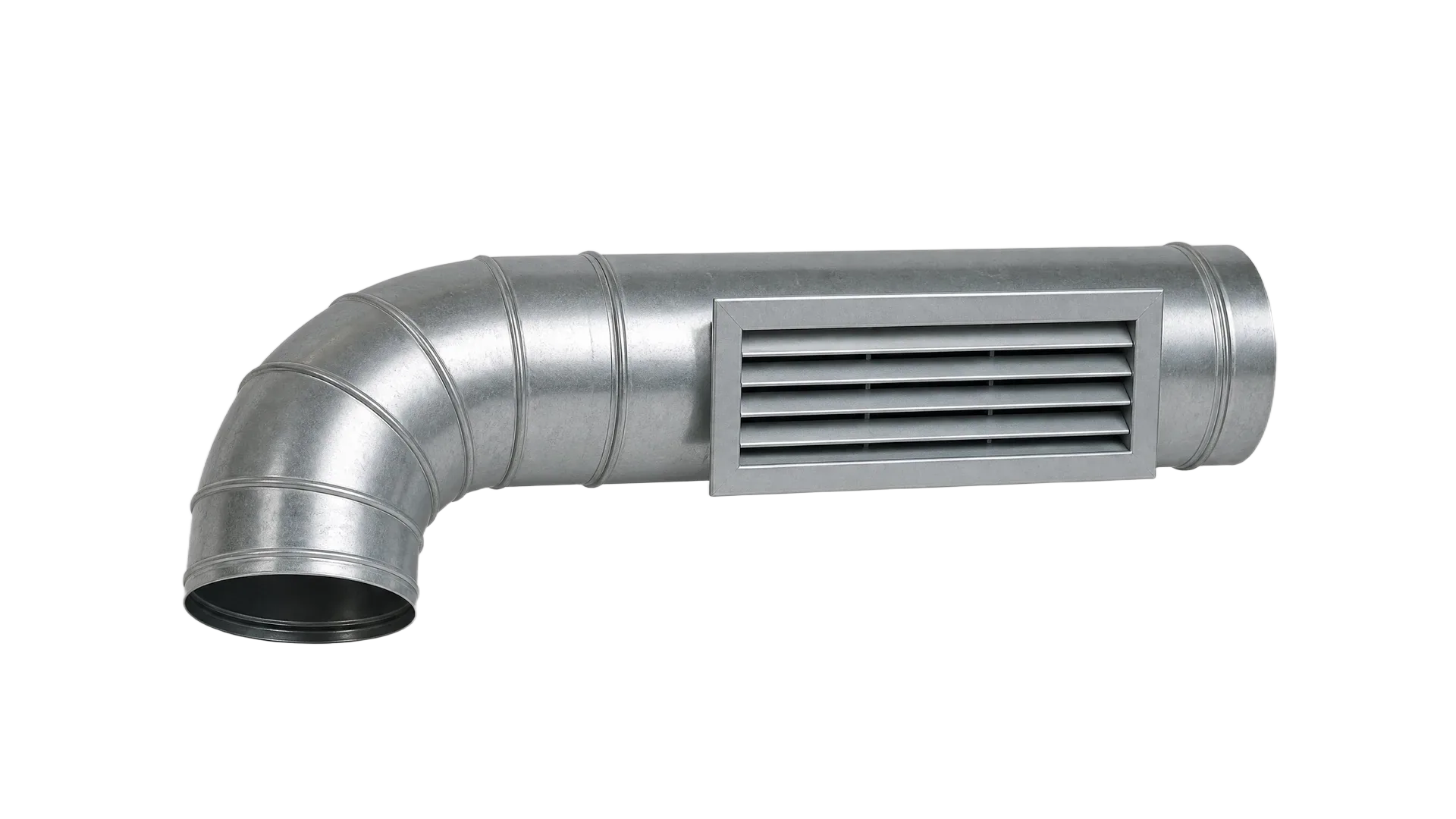
A galvanized steel round duct section with a 90-degree elbow and a rectangular louvered grille on its straight run, shown against a plain gray background.
Hand off the search

Why is my house so dusty in Fayetteville?

You vacuum and dust every week and the house still looks gray within days. Furniture tops, floor vents, the top of the fridge, all of it. It's not just you being busy. Something is putting that much dust into the air faster than normal, and in a house with central heat and air, the duct system is usually where to look first.

Your ducts are circulating it

Dust builds up inside duct runs over time, and every time the furnace or AC kicks on, that air moves through the whole house again. A thin or clogged filter lets more of it through instead of catching it. Washington County summers push the AC hard for months, and most homes here run electric heat all winter, so the blower is moving air through those ducts nearly year-round. That near-constant airflow is what turns a little buildup into a layer of dust on every surface within days. If the filter hasn't been changed recently or the ducts haven't been cleaned in a few years, that's usually the source, not a dirtier house.

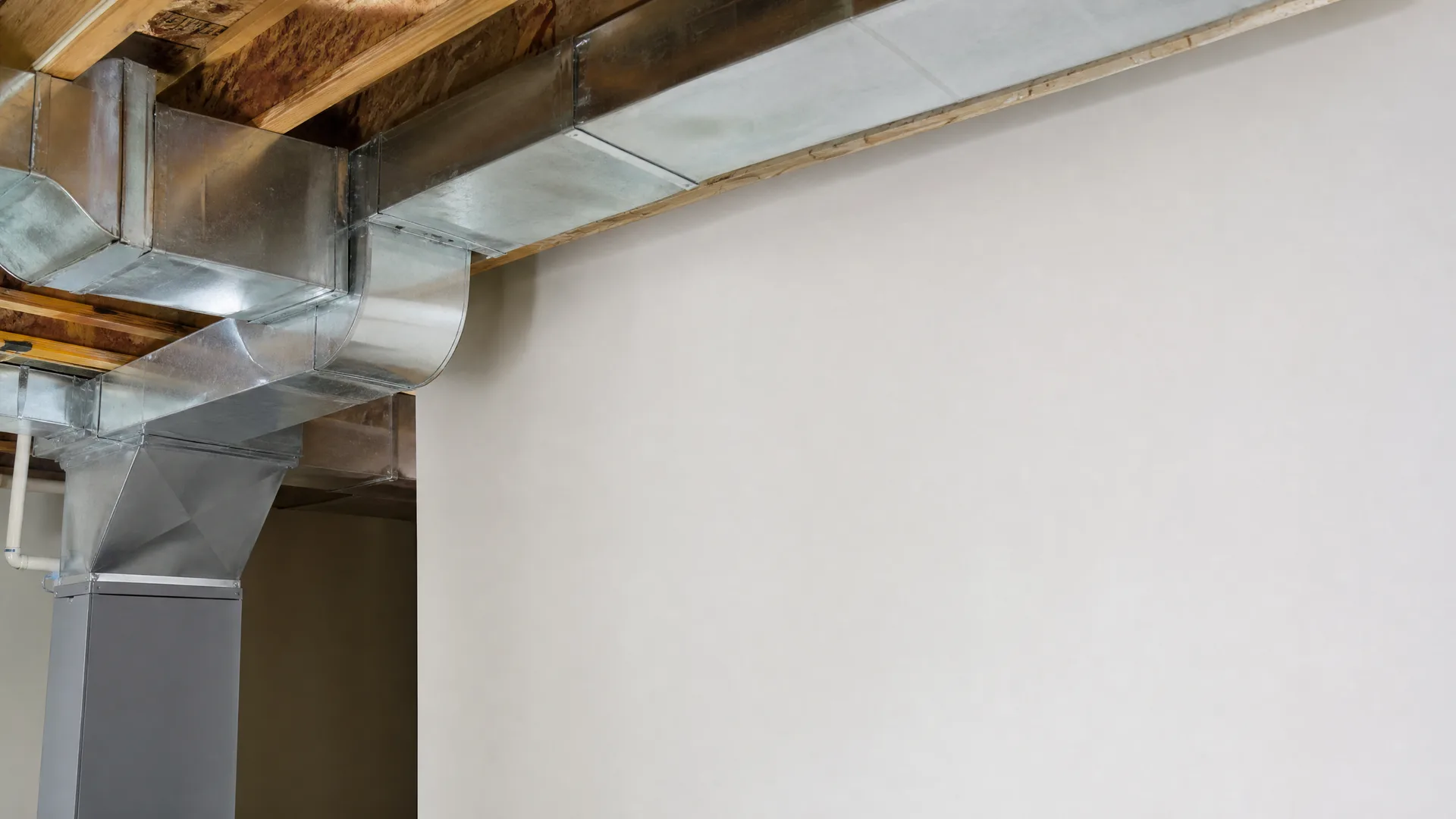
Galvanized sheet-metal HVAC ducts running along wooden joists at a basement ceiling, next to a plain off-white wall.

Your duct system never stops moving air

A central heat and air system here cycles the same air through the ducts over and over, all day. Every pass picks up whatever has settled in the trunk lines and the boots behind your registers. If there is dust sitting in that metal, your blower is not getting rid of it. It is stirring it up and sending it back into the rooms you just cleaned.

Unfinished basement interior with galvanized sheet-metal HVAC ductwork and round pipes running along a wooden joist ceiling, a furnace and water heater at the far end, and a blank white wall filling the left half of the frame.

Washington County runs the blower hard

Summers here get sticky and winters get cold, so the system in most homes is running for long stretches in both directions. Electric heat and electric cooling both push air through the same ducts, and cheap power here means people run the system more instead of less. More runtime means more air moving past any dust that has built up along the way.

What's making your house dusty year after year?

  • Half the homes here were built by 1995

    Half the homes in Washington County were built in 1995 or earlier. Older duct runs have had more years to collect dust in the joints and corners, and more chances for a seam to open up.

  • Heat runs October through April

    Heat runs here from October through April, about seven months. That system is pushing air through your ducts and out your vents most of the year, and every pass carries dust with it.

  • Cooling runs June through September

    Cooling runs June through September. Add that to winter and your blower is moving air through those ducts most months, giving dust less time to just settle and stay put.

ACS 2020-2024 · NOAA nClimDiv 1991-2020

How the duct system moves dust

  • A return vent pulls air through a filter before the blower pushes it back out through the supply ducts.
  • A filter that fits loose around the edges lets air slip past the pleats instead of through them.
  • Flex duct that sags or kinks slows the airflow and lets dust settle in the low spots instead of moving on.
  • A supply boot that's come loose from the duct above it pulls in attic or crawlspace air along with the room air.
  • The blower pulls harder when a filter is clogged, and that extra draw can pull more air through any gap in the return side.
  • Dust that collects at a seam or joint gets stirred loose again every time the system cycles on.

Air comes back to the system through a return vent, passes through the filter, and the blower pushes it back out through the supply ducts to every room. That loop runs over and over all day, so anything wrong with it shows up as dust fast. A filter that doesn't sit tight in its slot leaves a gap at the edges, and air takes the easy path around the pleats instead of through them. Flex duct running through the attic or crawlspace can sag between the joists or kink where it bends, and air moving through a low spot slows down enough for dust to settle instead of carrying on to the vent. A supply boot is the metal or plastic piece that connects the duct to the register in the floor or ceiling, and if it's pulled loose or was never sealed well, it draws in whatever air is sitting in the attic or crawlspace right along with the air from the room. A clogged filter makes the blower work harder to pull air through, and that stronger pull can draw more air through any opening on the return side, filter gap or duct seam alike. Every time the system cycles on, the moving air stirs up whatever has settled at a joint or seam and sends it back into the room. None of this is one bad part. It's the whole path, start to finish.

A smiling man in a green ribbed sweater stands behind a wooden table holding a ceramic mug of coffee in a kitchen with white subway tile, shelves of potted plants, and a bowl of fruit.
A smiling man with dark curly hair and a beard, wearing a dark green knit sweater, stands at a white marble kitchen counter with a dark blue mug, with open shelving, pendant lights and a houseplant behind him.
A smiling bearded man in a green henley shirt stands at a kitchen island with a gray mug, looking off to the side, with a dining area and shelves blurred behind him.
A smiling man in a navy long-sleeve shirt sits at a wooden table in a kitchen and dining area, with a ceramic mug, a potted plant, and a sliding glass door behind him.

It's off your list after this

The pro who gets in touch is licensed in Arkansas and works in Washington County.

It costs nothing to send, and you don't have to hire anyone.

Keep dusting on the same schedule and the house holds steady. You will not make it worse by staying on top of it, but you also will not get ahead of it, because the dust keeps coming from the same ducts every day.

Have the duct system itself cleaned and the supply going into the air changes. A tech who works on Washington County homes all season knows which parts of a system tend to hold dust and checks those first.

Power here costs 13.18 cents per kilowatt-hour

At 13.18 cents per kilowatt-hour, running the blower longer than it needs to doesn't cost much here. That's why it's easy to let a dusty duct system run all day instead of fixing what's feeding it. Cleaning the ducts cuts the dust without you having to cut the airflow.

EIA-861 2025

Empty unfinished basement with concrete walls and floor, exposed wood joists, metal HVAC ducts and pipes overhead, and a steel support column near a framed wall.

Ducts moving clean air

This is what a duct system looks like when it isn't the problem. The metal is tight at every joint, the runs are straight, and air moves through without picking up anything extra. A system like this still carries ordinary household dust, but it doesn't add to it.


Empty basement with bare concrete walls and floor, a steel support column, and galvanized sheet-metal ductwork and pipes running along the exposed wood joist ceiling.

Ducts feeding the problem

Branch after branch, this is a lot of metal for dust to settle in. A seam that's opened up or a joint that's come loose gives the air a place to pick up what's built up inside, then carry it straight to your registers. The more it branches, the more places this can happen.

Galvanized sheet-metal ductwork and round pipes run along a wooden floor joist ceiling above a bare concrete wall and floor.
Before you get your ductwork cleaning
Unfinished basement with concrete floor and walls, exposed wood joists, steel support posts, and large galvanized sheet-metal ductwork running to a furnace or air handler against the far wall.
After you get your ductwork cleaning

Every day

That's how often a dusty duct system resupplies the dust on your furniture and floors. Dusting weekly can't keep pace with ducts recirculating the same dirt all day.

Find a licensed ductwork pro

One cleaning

A thorough cleaning clears what's settled in the trunk lines and boots so the blower stops redistributing it through every room, all day.

Find a licensed ductwork pro

Dusting Alone or Duct Cleaning

Dusting alone

  • You keep wiping down the same surfaces and the gray film comes back within days because the source is still feeding it.
  • The filter still catches what passes through it, but anything sitting in the trunk lines or the boots behind the registers never goes near the filter.
  • A sagging or kinked flex run keeps shedding into the air whether you dust Monday or Friday.
  • This costs you nothing extra and takes no appointment, so it stays the easiest option when you're short on time.
  • It won't fix a loose duct seam or a gap around the filter, so the house keeps collecting dust at the same rate.

Duct cleaning

  • A contractor clears what's built up in the trunk lines and boots instead of leaving it there to recirculate every time the blower runs.
  • Someone who services ducts in Washington County every season knows where sagging flex runs and loose seams tend to show up in homes here.
  • You send one request and one licensed local contractor follows up, not a handful of companies competing for the job.
  • A duct system that's clean and sealed tight stops resupplying dust to your furniture and floors between vacuuming.
  • It takes an appointment and some coordination, which is more than dusting asks of you, but it addresses what's actually putting the dust there.
  • Once it's done, your regular dusting and vacuuming can finally keep up, instead of chasing dust that gets replaced every day.
Unfinished basement with bare concrete floor and walls, exposed wood joists, metal ductwork, a furnace unit, steel support posts, and a small window.
Tight joints and straight runs keep air moving through instead of picking up what's settled on the metal.
Empty basement with bare concrete walls and floor beneath an exposed wood-joist ceiling carrying galvanized sheet-metal ductwork, round ducts and pipes.
A sagging or loose joint gives dust a place to collect, and every cycle sends more of it into the rooms you live in.
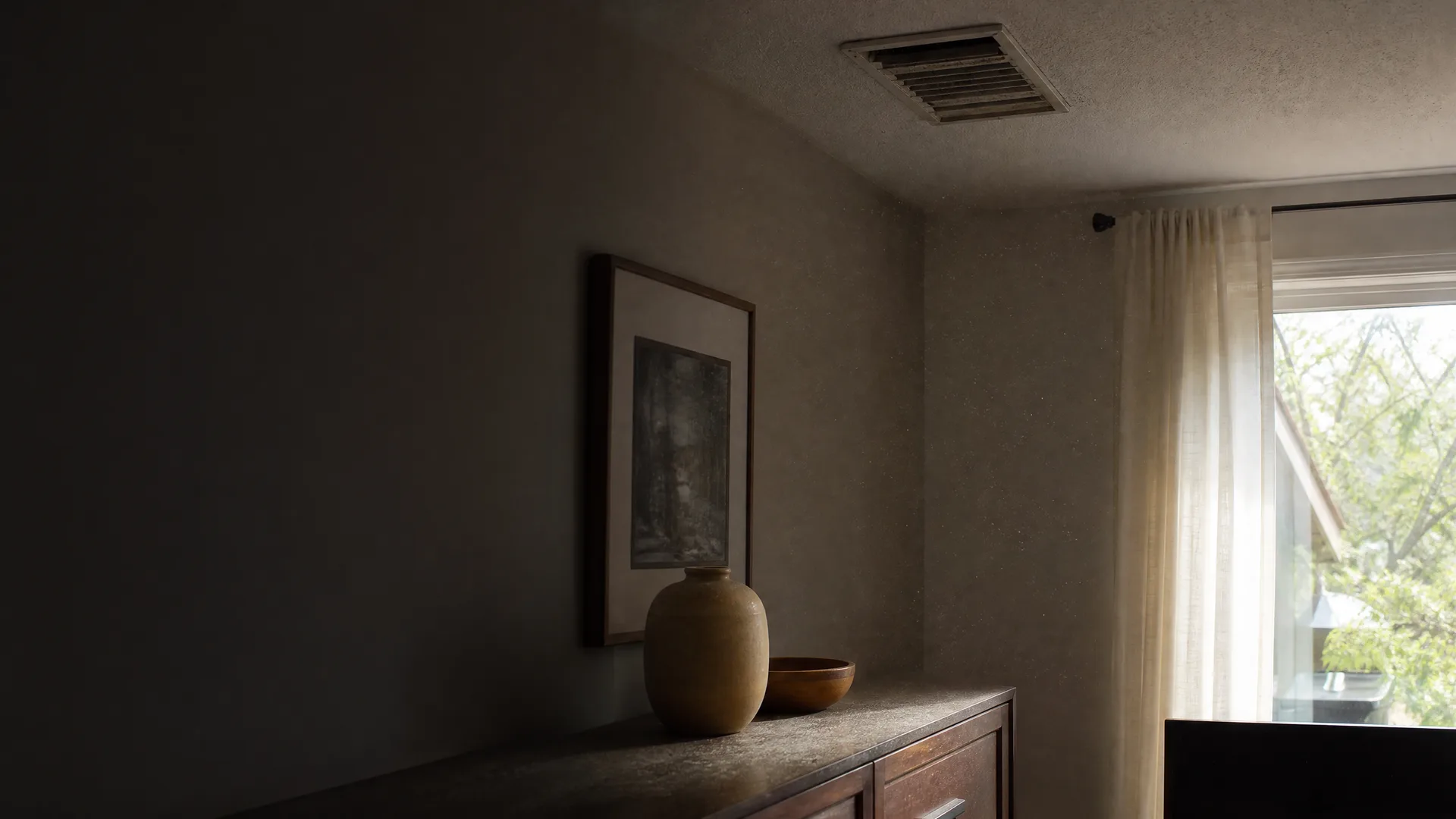
Dim room corner with a framed picture on a textured wall above a counter holding a tall ceramic vase and a shallow wooden bowl, with a sheer curtain beside a window and a ceiling air vent overhead.

It's a Saturday morning in April and the sun is coming in flat across the living room. You notice it on the ceiling vent grille first, a gray line built up along the slats, then on the end table underneath it where the light is hitting. You ran the dust cloth over that same table Tuesday. It's back, a thin film you can drag your finger through. The vent isn't doing anything different than it does every day of the year, just pushing air down into the room, but today the light happens to catch what's riding along with it.

The dust in your house is coming from your ducts, not your housekeeping. Every cycle of the blower pulls that same air through the trunk lines and sends it back out through your registers, and whatever has settled in there keeps feeding the problem no matter how often you dust. Clearing it out is a job for someone who knows what to look for in a duct system that's been running for years, where joints tend to open up and flex duct tends to sag. A local contractor who services this equipment all over Washington County has seen this exact pattern plenty of times and knows where it usually starts. You'll be matched with one contractor, not a handful competing for your call, so the person who shows up already has a sense of what they're walking into. Once that's sorted, the gray film on your furniture stops being a weekly chore and starts being something you fixed.

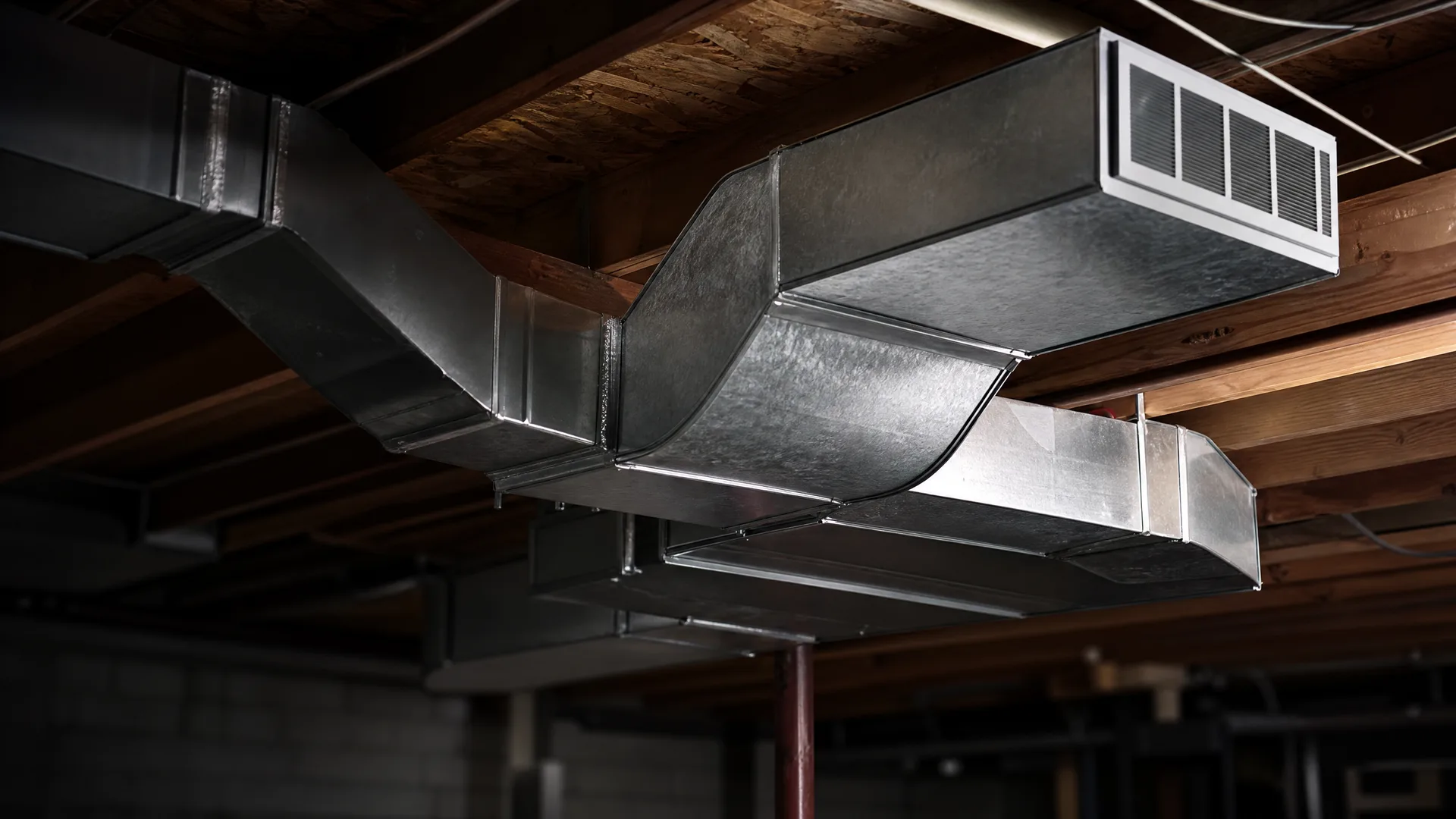
Galvanized sheet metal HVAC ductwork with a white vent grille, mounted against wooden floor joists in a dim basement with concrete block walls.

Send one request and you're done looking

Duct and vent cleaningDucts or ventsWashington County, AR
Step 1 of 2

What ZIP code is the job in?