
HVAC Repair in Rogers, AR
Homes here need heat from October through April and cooling from May through September. If your system quits, tell us what it's doing and a licensed contractor who covers Benton County will get in touch.
Tell us about the job
It takes about a minute.
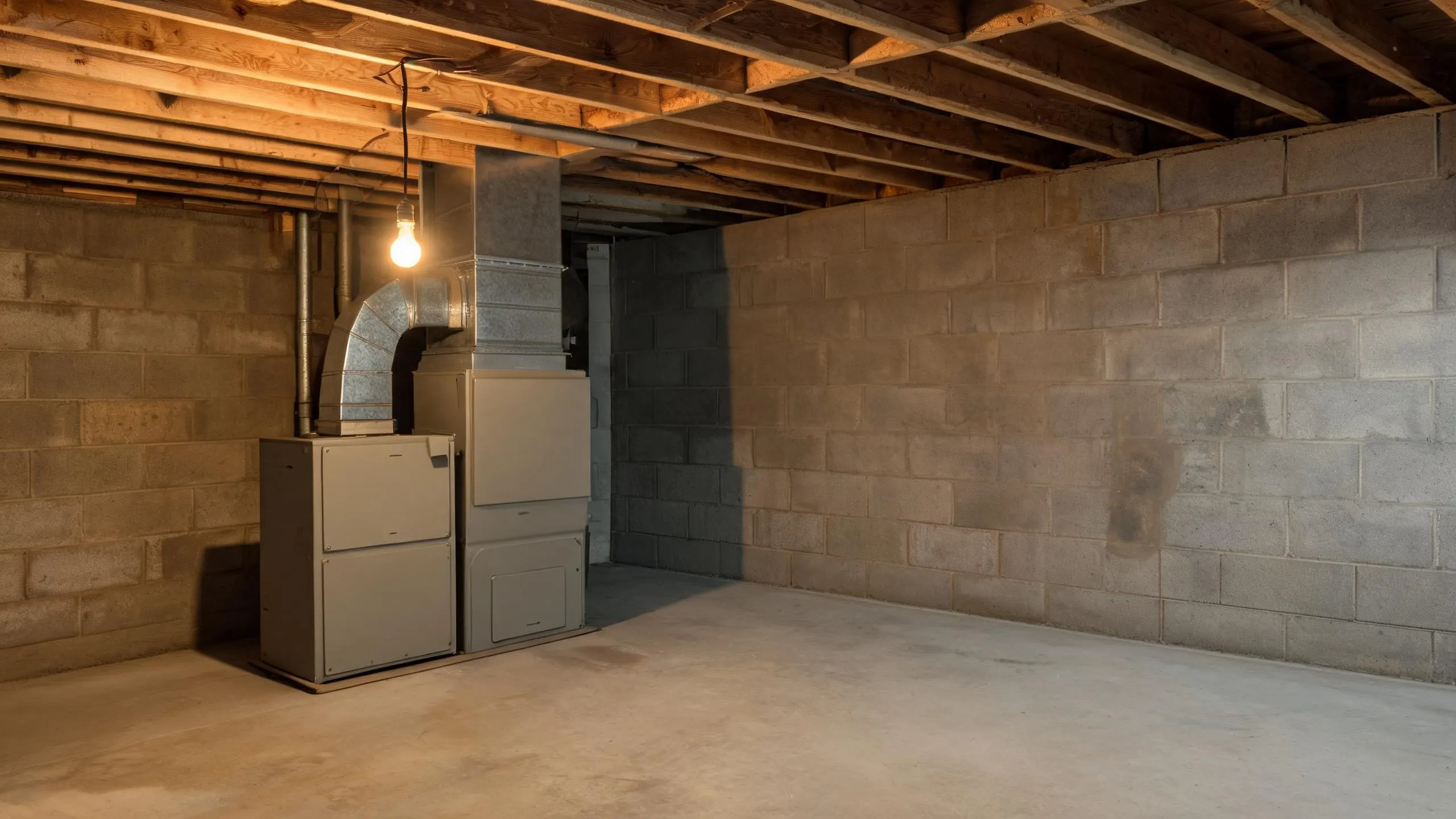
Rogers runs its system almost year round
Heat runs October through April here. Cooling takes over for May through September. That leaves your furnace and your air conditioner both working hard, with barely a month between seasons to rest.
Winter nights average 28°F, cold enough that the furnace cycles on and off for hours at a stretch, and each start puts a little more wear on the igniter and the ignition control. Summer afternoons average 88°F, and a system pushed that hard all day leans on the compressor and the capacitor that starts it. Benton County has also seen 152 damaging wind events and 14 winter storms over the past ten years, and storms like that knock out power. When it comes back, most systems restart on their own, but a unit that was already struggling before the outage often shows it the moment it kicks back on.
- 7 months
- October through April, your system heats
- 5 months
- May through September, it cools
- 28°F
- the average winter night it heats against
- 88°F
- the average summer afternoon it cools against
NOAA nClimDiv, 1991–2020 normals
Arkansas requires HVAC contractors to hold a state license.
Arkansas tested and licensed the contractor before they took on any job in your home, and that license is on record with the state. It covers the business itself, not this particular repair. Counties and cities in Benton County cannot add their own HVAC license on top of it, so the state license is the one that applies here, and it stays the same from one town to the next.
For a repair job, that license is what stands behind the person working on your system. Arkansas put the testing and the record on the contractor, not on the job itself, so the same license that got them into your home covers the gas connections and the refrigerant lines both.
Source: Arkansas Department of Labor and Licensing
- Why is my heat not working?
- Start with the thermostat. Make sure it is set to heat and set a few degrees above room temperature, and check that it has power if it runs on batteries. If the thermostat looks fine, check your breaker panel, since a tripped breaker will cut power to the whole system. Winter nights here average 28°F, so a furnace that will not fire is worth calling in on the same day rather than waiting.
- Why is my system running but not cooling the house?
- The most common cause is a dirty air filter choking off airflow. Check it first and replace it if it looks gray or clogged. If the filter is clean and the air coming from the vents is warm, the system may be low on refrigerant or the outdoor unit may be blocked by leaves or debris, both of which need a licensed contractor to sort out. Summer afternoons here run near 88°F, so a system that runs without cooling is losing ground fast.
- What can I check before calling for HVAC repair?
- Check the thermostat first, the setting, the batteries, and that the display is lit. Next check your breaker panel for anything tripped, since storms in this area can knock power out and a breaker does not always reset itself. Then look at the air filter and swap it if it is dirty, and for outdoor units, clear away any leaves, grass clippings or debris around the unit. If none of that fixes it, a licensed Arkansas HVAC contractor will need to look at the system directly.