
HVAC Installation in Rogers, AR
A new system here will heat from October through April and cool from May through September every year. Tell us about the house, and a licensed contractor who covers Benton County will get in touch.
Tell us about the job
It takes about a minute.
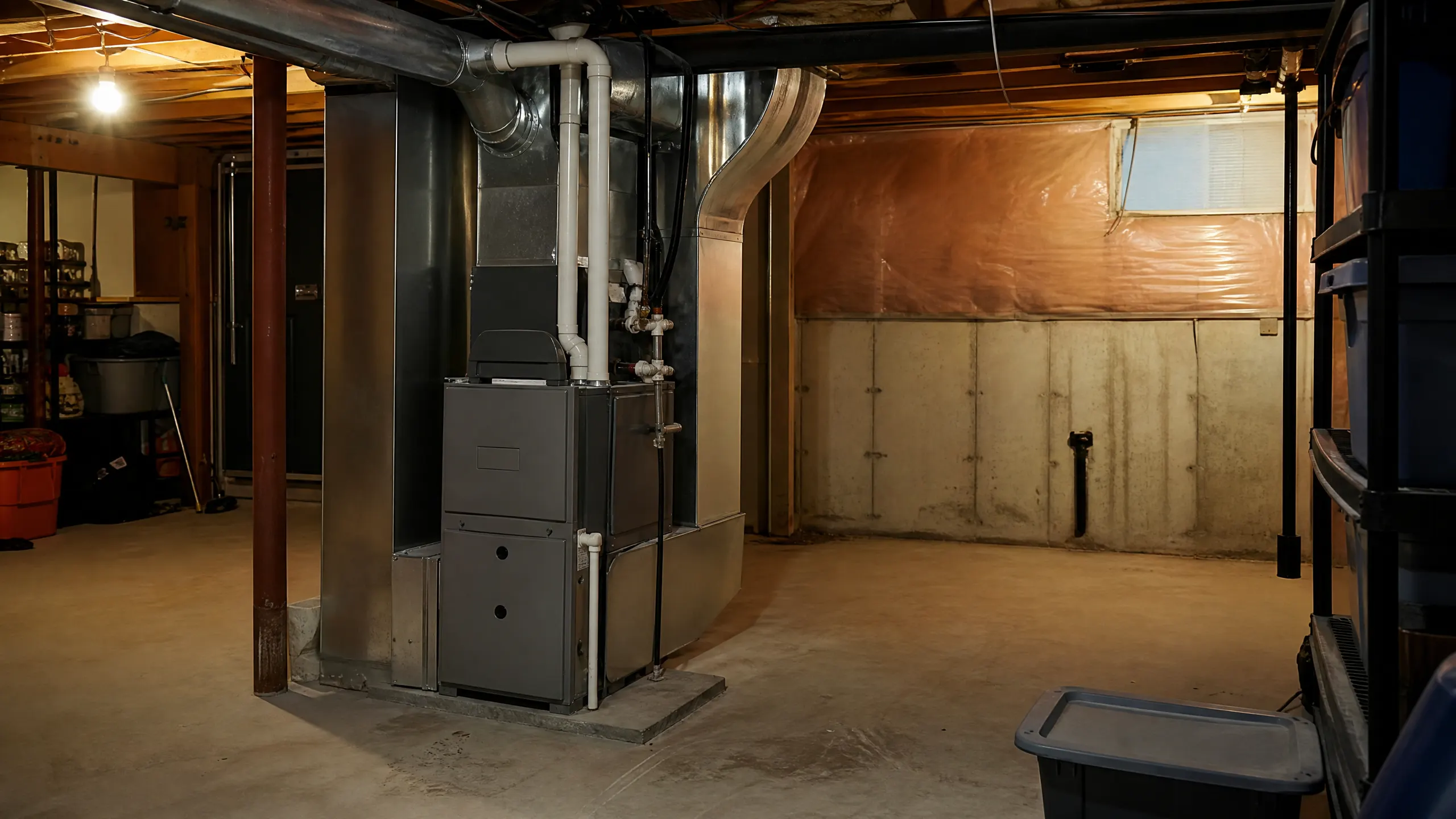
What a system in Rogers has to handle
Your new system needs to cover heat from October through April and cooling from May through September. That is every month of the year with no break between seasons. Winter nights average 28°F, cold enough that a furnace or heat pump runs often through those months. Summer afternoons average 88°F, so the cooling side gets real work too, not just a few hot weeks.
Storms are part of the picture here. The region has logged 14 winter storms and 152 damaging wind events over the past ten years, and in 2024 nearly a quarter of Arkansas households lost power for at least 24 hours. That is worth raising with the contractor who installs your system, since how it handles a power outage matters as much as how it handles a cold night.
- 7 months
- October through April, your system heats
- 5 months
- May through September, it cools
- 28°F
- the average winter night it heats against
- 88°F
- the average summer afternoon it cools against
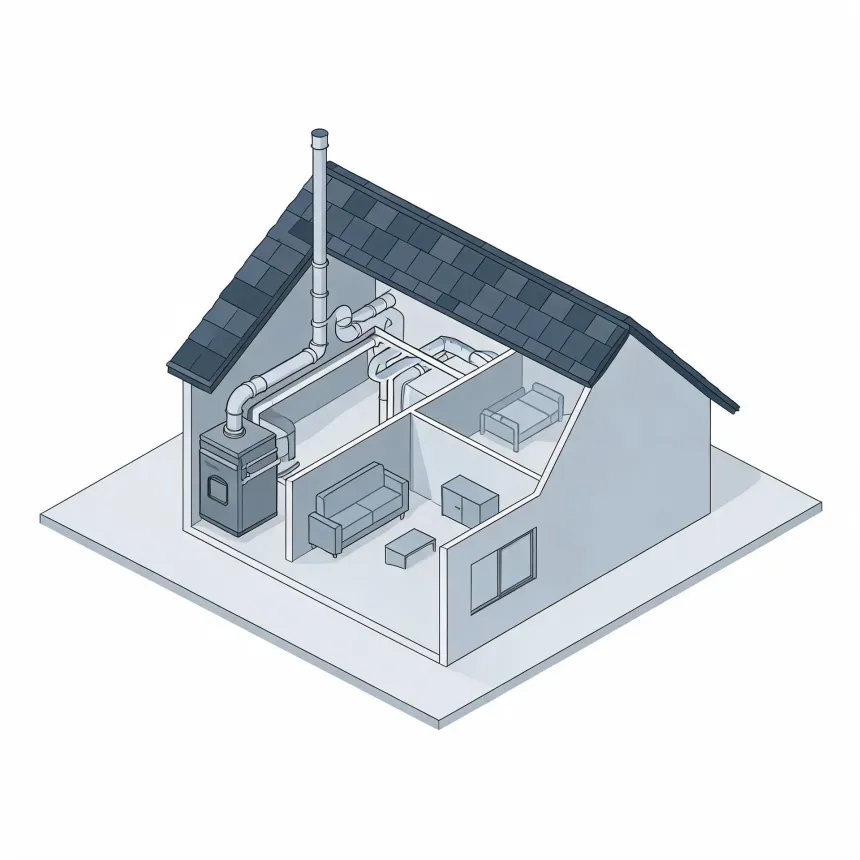
NOAA nClimDiv, 1991–2020 normals
Arkansas requires HVAC contractors to hold a state license.
The license is held by the contractor, not issued job by job, so the state has already tested and put that contractor on record before they show up at your house. Arkansas also keeps this the same everywhere. Counties and cities cannot layer on their own HVAC license, so the license that matters in Benton County is the same one that matters anywhere else in the state.
For a heating and cooling system installation, that license is what stands behind the person doing the work. It does not end the state's role in the job, though. In most cities and counties, replacing a furnace, air conditioner or heat pump needs a permit from the local building office, and an inspection once the installation is done. That inspection is what checks the work itself, separate from the license.
Source: Arkansas Department of Labor and Licensing
- When should I replace my HVAC system?
- Once your furnace or air conditioner is old and starting to need repairs more than once a season, replacement usually makes more sense than fixing it again. Age matters because the parts inside wear down together, so an old system tends to fail at the worst time, like a cold night in December through February when lows here average 28°F. If a contractor tells you a repair costs a large share of what a new system would, that's the point to stop patching it. A furnace or AC that still runs fine doesn't need to be replaced just because it has some years on it.
- Should I replace my furnace and air conditioner at the same time?
- If both are old, replacing them together is often worth considering, but it depends on the condition of each one. Homes here run the furnace October through April and the AC May through September, so both parts see heavy use all year and tend to wear down on a similar timeline. A furnace and AC installed years apart can also end up mismatched, which can affect how well the system runs. A contractor can look at the age and condition of each unit and tell you whether pairing the replacement makes sense for your house.
- What happens during an HVAC installation?
- A contractor removes the old furnace or air conditioner, then sets the new equipment in place and connects it to the ductwork, gas or electrical lines, and the refrigerant lines if it's an AC or heat pump. They check the ducts for leaks or sizing problems, since a new unit connected to bad ductwork won't perform the way it should. Once everything is connected, the system gets tested and the settings adjusted to match your home. Arkansas requires the contractor doing this work to hold a state license, and the job itself is priced and scheduled around your specific house.