
HVAC Installation in Mountain Home, AR
A new system here will heat from October through April and cool from May through September every year. Tell us about the house, and a licensed contractor who covers Baxter County will get in touch.
Tell us about the job
It takes about a minute.
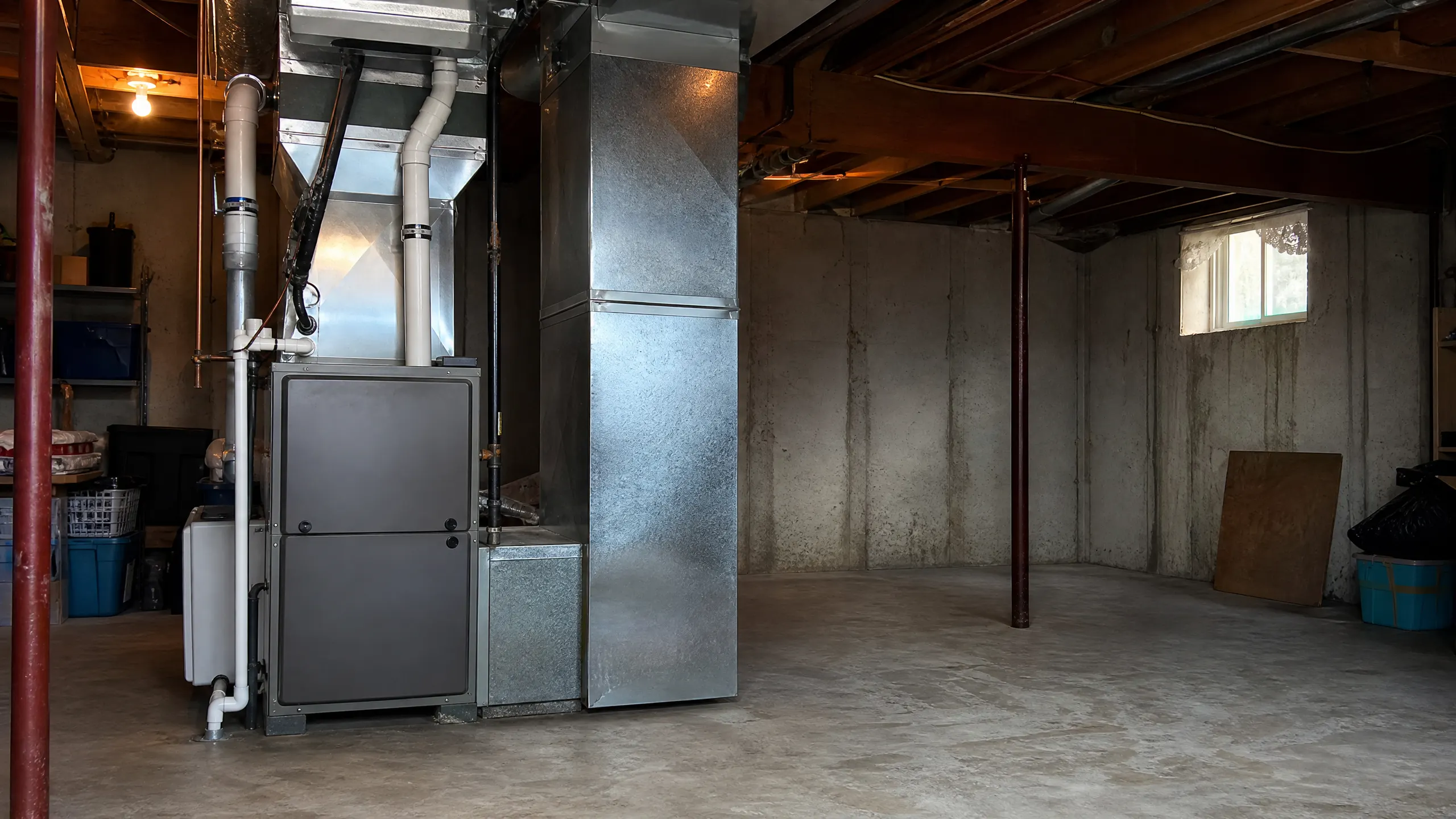
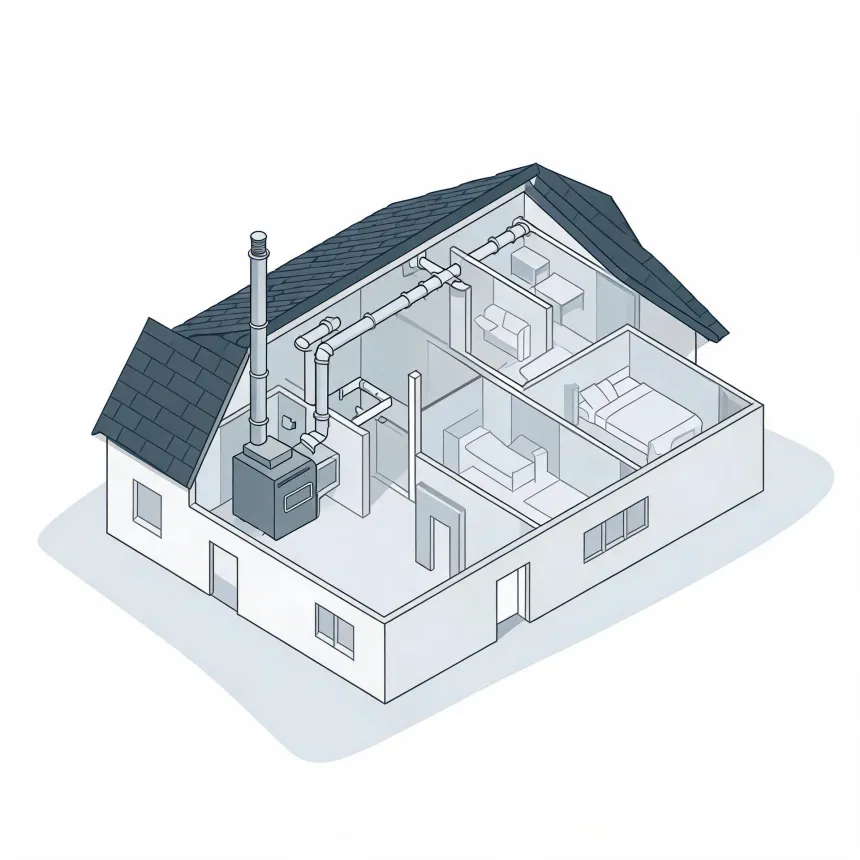
A system built for both ends of the year in Mountain Home
Your new system has to work almost all year here. Homes in Baxter County need heat from October through April and cooling from May through September, which leaves only a few weeks when the system sits idle. Winter nights average 28°F, cold enough that a furnace or heat pump runs long hours to hold the house steady. Summer afternoons average 88°F, and the air conditioner or heat pump has to answer that heat for five straight months.
More than half the homes here heat with electricity, so the equipment has to be sized right for both jobs, not just one. Storms are part of the picture too. Baxter County has seen 13 winter storms and 51 damaging wind events over the past ten years, and across Arkansas about a quarter of households lost power for at least a day in 2024. A new install is a chance to plan for that, with equipment and controls that come back on the way they should when the power returns.
- 7 months
- October through April, your system heats
- 5 months
- May through September, it cools
- 28°F
- the average winter night it heats against
- 88°F
- the average summer afternoon it cools against
NOAA nClimDiv, 1991–2020 normals
Arkansas requires HVAC contractors to hold a state license.
The license is held by the contractor, not issued job by job. Arkansas tests and records the business itself, and that record does not reset each time they take on a new installation. Cities and counties in Baxter County cannot layer on their own HVAC license requirement, so the state license is the credential that applies here no matter which town the work is in.
For a heating and cooling installation, that license is what stands behind the person doing the work, but it is not the only check on the job itself. Most cities and counties require a permit before a furnace, air conditioner or heat pump gets replaced, and an inspection once it is done. The permit and inspection are separate from licensing, and they are what catches a bad gas or electrical connection on this specific job, in this specific house.
Source: Arkansas Department of Labor and Licensing
- When should I replace my HVAC system?
- Replace it when repairs stop making sense or the unit can't keep up anymore. An old furnace or air conditioner that needs a major repair is often not worth fixing again, especially once parts get harder to find. Watch for rooms that won't hold temperature, a jump in energy bills, or a system that runs constantly without catching up. Homes here need heat from October through April and cooling from May through September, so a system that's struggling has almost no season to rest, and problems tend to show up fast.
- Should I replace my furnace and air conditioner at the same time?
- In most cases, yes, if both are old. A furnace and air conditioner installed together are matched to work as one system, sharing the same airflow and controls. Replacing only one can leave a mismatch that shortens the life of the newer unit or keeps it from running the way it should. A contractor can look at the age and condition of both and tell you whether replacing just one makes sense for your house.
- What happens during an HVAC installation?
- A contractor removes the old equipment, sets the new furnace or air conditioner in place, and connects it to the ductwork, gas or electrical lines, and thermostat. They check the refrigerant charge on an air conditioner, test the ignition and venting on a furnace, and run the system through a full cycle before they leave. Sizing the equipment correctly for the house matters as much as the installation itself, since a unit that's too big or too small won't heat or cool evenly. Arkansas requires HVAC contractors to hold a state license, so it's worth confirming that before work starts. The exact steps and timeline depend on your home's setup, and a contractor can walk you through what your installation will involve.