
HVAC Installation in Fort Smith, AR
A new system here will heat from November through April and cool from May through September every year. Tell us about the house, and a licensed contractor who covers Sebastian County will get in touch.
Tell us about the job
It takes about a minute.
Eleven months of the year, one of the two is running
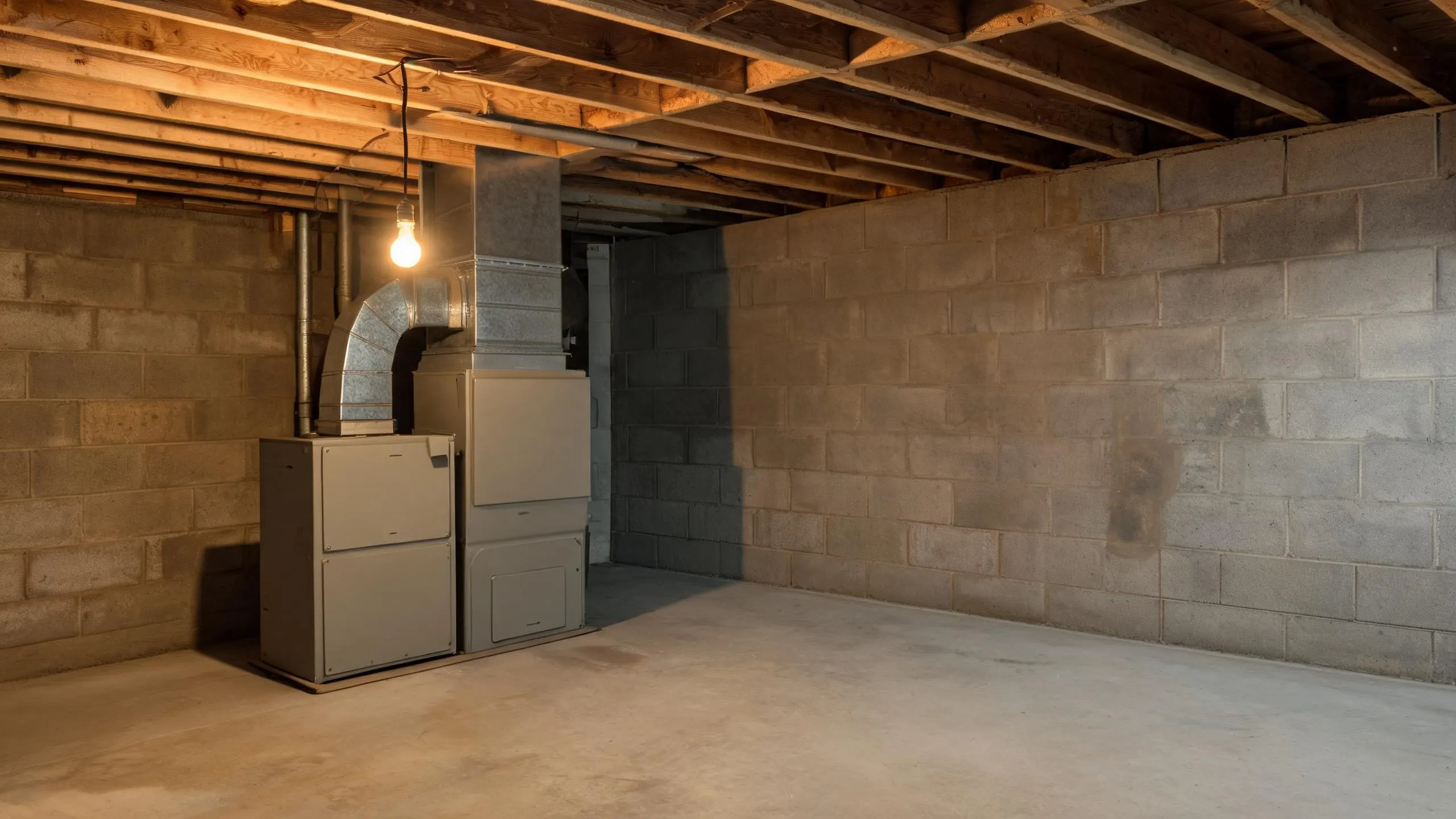
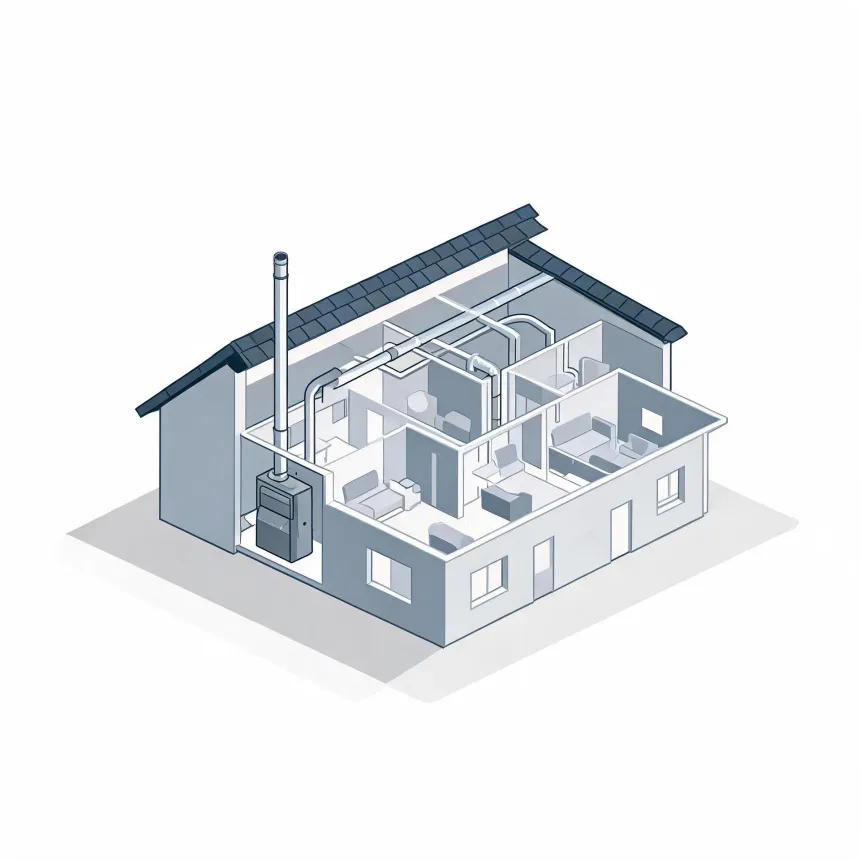
Winters here bring nights averaging 31°F from December through February, and summers push afternoons to 91°F. Add it up and a heating and cooling system in Sebastian County works from November through April keeping the house warm, then May through September keeping it cool. Only one month sits idle. Whatever gets installed has to handle both jobs well, not just one.
Over half of homes here heat with electricity, and when a winter storm knocks out power, that heat stops. Sebastian County has seen 10 winter storms and 122 damaging wind events over the past ten years, and across Arkansas about a quarter of households lost power for at least a day in 2024. A new system should be sized and installed to hold up through that kind of year, not just a mild one.
- 6 months
- November through April, your system heats
- 5 months
- May through September, it cools
- 31°F
- the average winter night it heats against
- 91°F
- the average summer afternoon it cools against
NOAA nClimDiv, 1991–2020 normals
Arkansas requires HVAC contractors to hold a state license.
The state license belongs to the contractor, not the job. Arkansas tested that contractor and keeps a record of them, and no county or city in Arkansas can add its own license on top of that. Sebastian County can't require its own license or waive the state's, so the license this contractor holds is the one that counts here.
For an installation like this one, that license is the credential behind the work, but the local building office still has a role. In most cities and counties, replacing a furnace, air conditioner or heat pump needs a permit from that office, with an inspection once the job is done. The permit and inspection check the condition of the new system itself, which is separate from what the license covers.
Source: Arkansas Department of Labor and Licensing
- When should I replace my HVAC system?
- Replace it when repairs keep coming back, or when it can no longer keep the house comfortable through a Fort Smith summer or winter. An older system working hard every day from May through September and again from November through April has more chances to fail than one running in a milder climate. If a contractor keeps getting called out for the same unit, replacing it usually costs less over time than keep repairing it. A rising pattern of repair calls is the clearest sign, not age alone.
- Should I replace my furnace and air conditioner at the same time?
- If both are close in age, yes, that is usually the better time to do it. A furnace and air conditioner installed together are matched to work as a system, and replacing one while the other is old often means the newer unit is paired with a blower or coil it was not designed to run with. This matters more here because homes need heat or cooling for 11 months of the year, so both sides of the system see heavy use. If one unit still has several years of life left, a contractor can tell you whether replacing just the failed unit makes sense or whether matching them now is worth it.
- What happens during an HVAC installation?
- A contractor removes the old furnace, air conditioner, or both, and sets the new equipment in place, connecting it to the existing ductwork, refrigerant lines, gas line or electrical circuit as needed. They check the ductwork for leaks or damage, since new equipment moves air through the same ducts as the old one. The system gets wired to the thermostat, charged with refrigerant if it is an air conditioner or heat pump, and tested to confirm it heats or cools correctly and cycles the way it should. Arkansas requires the contractor doing this work to hold a state HVAC license.