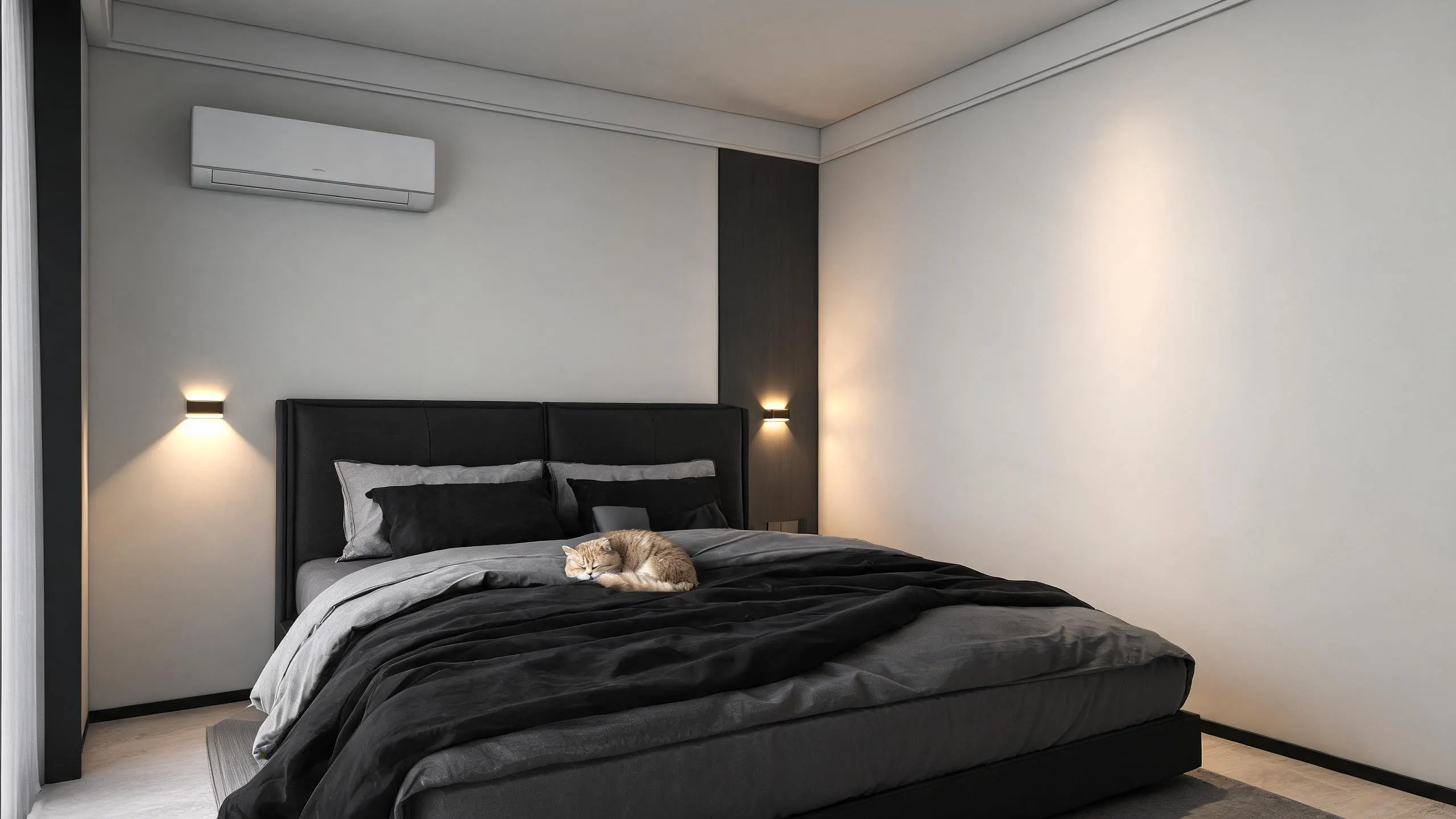
Mini Split Installation in Fort Smith, AR
A new system here will heat from November through April and cool from May through September every year. Tell us about the house, and a licensed contractor who covers Sebastian County will get in touch.
Tell us about the job
It takes about a minute.
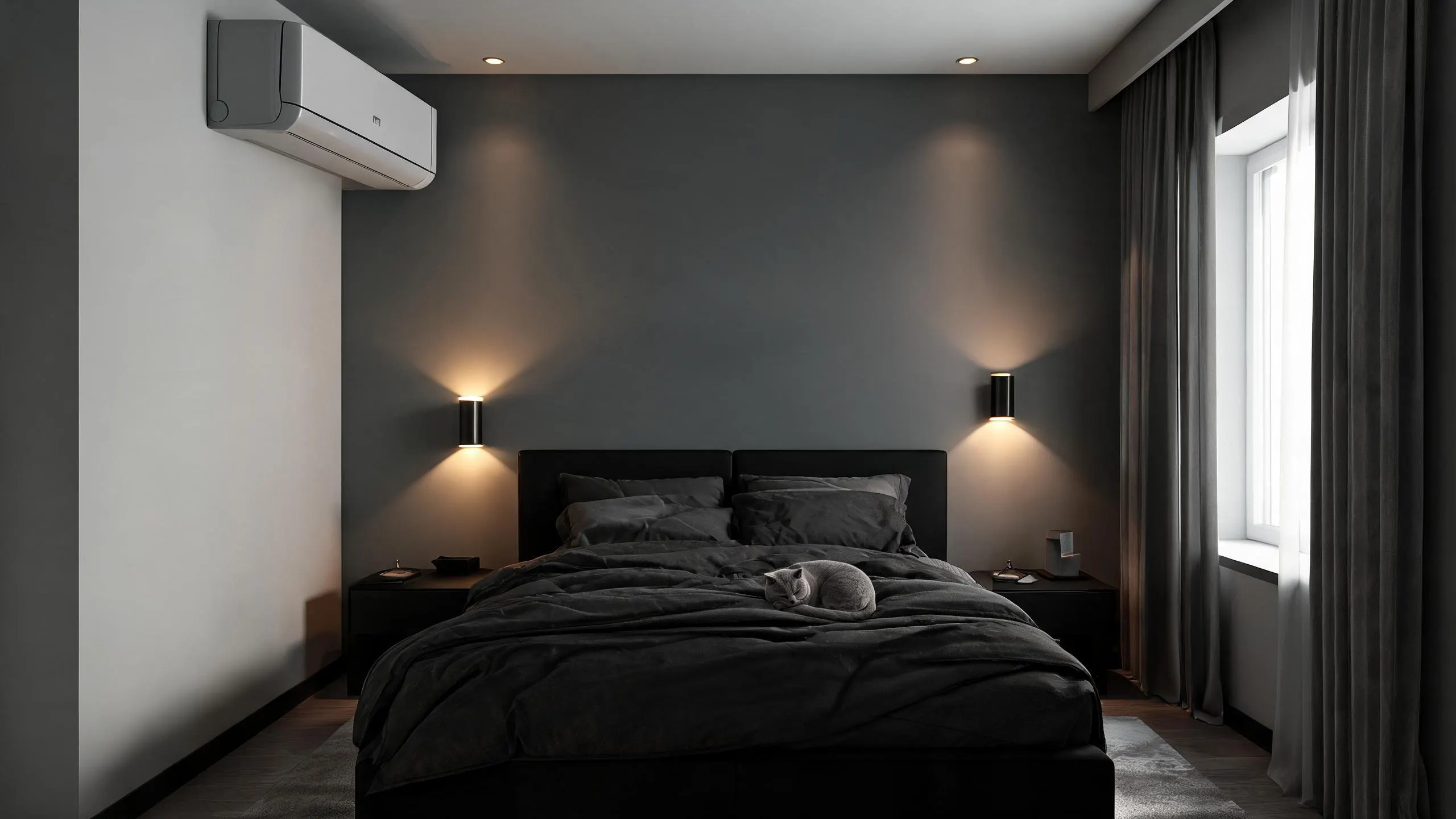
Eleven months of work for a mini-split here
Fort Smith only gets a break from heating or cooling about one month a year. Winter nights average 31°F from December through February, and summer afternoons run near 91°F. That is a long cooling season and a real winter on top of it, and the system you install has to handle both sides well.
Any mini-split heat pump made since January 2023 has to clear 14.3 SEER2 for cooling and 7.5 HSPF2 for heating, so that floor is already set. What matters more here is sizing it to actually hold up at a 31°F outdoor temperature and still cool the house through a 91°F afternoon, not just meet the minimum on paper. More than half the homes in Arkansas heat with electricity, and in 2024 nearly a quarter of households in the state went at least 24 hours without power, so it is worth asking how a mini-split you install here handles an outage.
- 6 months
- November through April, your system heats
- 5 months
- May through September, it cools
- 31°F
- the average winter night it heats against
- 91°F
- the average summer afternoon it cools against
NOAA nClimDiv, 1991–2020 normals
Arkansas requires HVAC contractors to hold a state license.
Arkansas licenses the contractor, not the job, so the license covers whoever installs the mini-split rather than the installation itself. Counties and cities in Arkansas cannot add their own HVAC license on top of that, so the same state license applies whether you're in Fort Smith or out in the county.
For a mini-split installation, most cities and counties still want a permit from the local building office, with an inspection once the work is done. That permit and inspection are a local check on the installation itself, separate from the state license.
Source: Arkansas Department of Labor and Licensing
- Is a mini split worth it?
- For a lot of homes here, yes. Fort Smith winters average 31°F and summers average 91°F, so a heat pump mini split has to work both sides of the year, six months of heat and five of cooling. Over half the homes here already heat with electricity, and a mini split does that job more efficiently than baseboard or resistance heat because it moves heat instead of generating it. It makes the most sense for a room that runs hot or cold on its own, an addition with no ductwork, or a house where the ducted system can't be extended.
- How many rooms can a mini split cover?
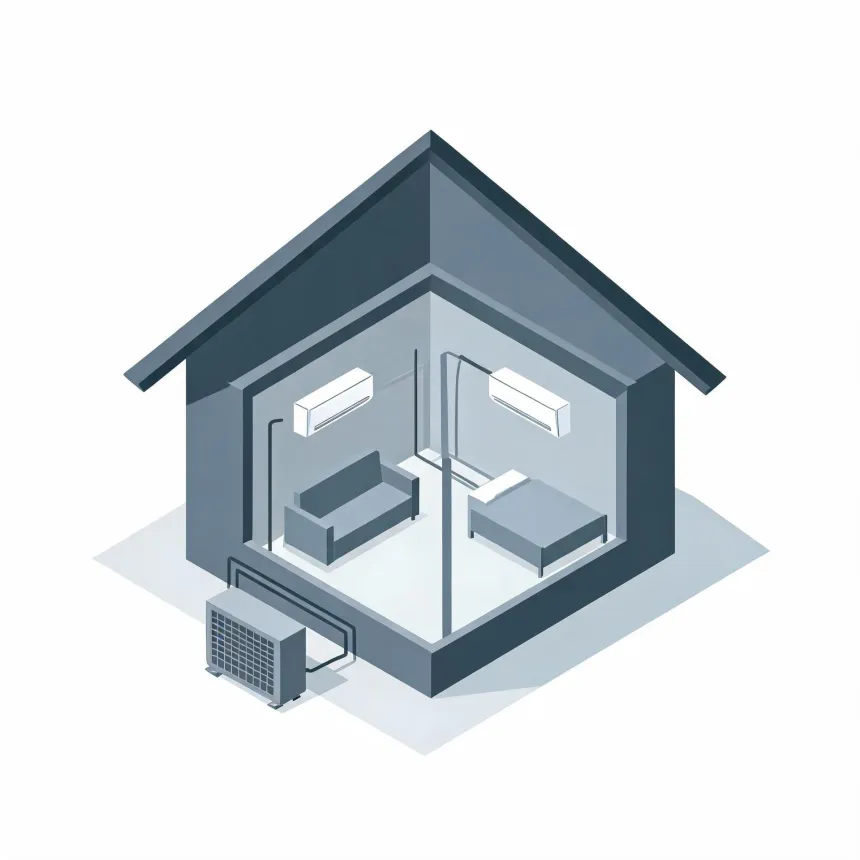
- A single outdoor unit can run one indoor head or several, depending on the system. Multi-zone systems tie several indoor heads to one outdoor unit, each with its own thermostat, so bedrooms can run cooler at night while a living room stays warmer. How many zones make sense for a given house depends on its layout and how the rooms are used, which is something a contractor should walk through room by room.
- Can a mini split heat a whole house?
- It can, if it's sized and placed for the whole house rather than for one or two rooms. That takes enough indoor heads to reach every room and an outdoor unit built for the coldest nights, which here average 31°F from December through February. A house already on ducted heat usually keeps that system and adds mini splits where it falls short, but a whole-house ductless setup works when it's planned that way from the start. A contractor can size it against this house and this climate.