






How often to clean air ducts in Arkansas

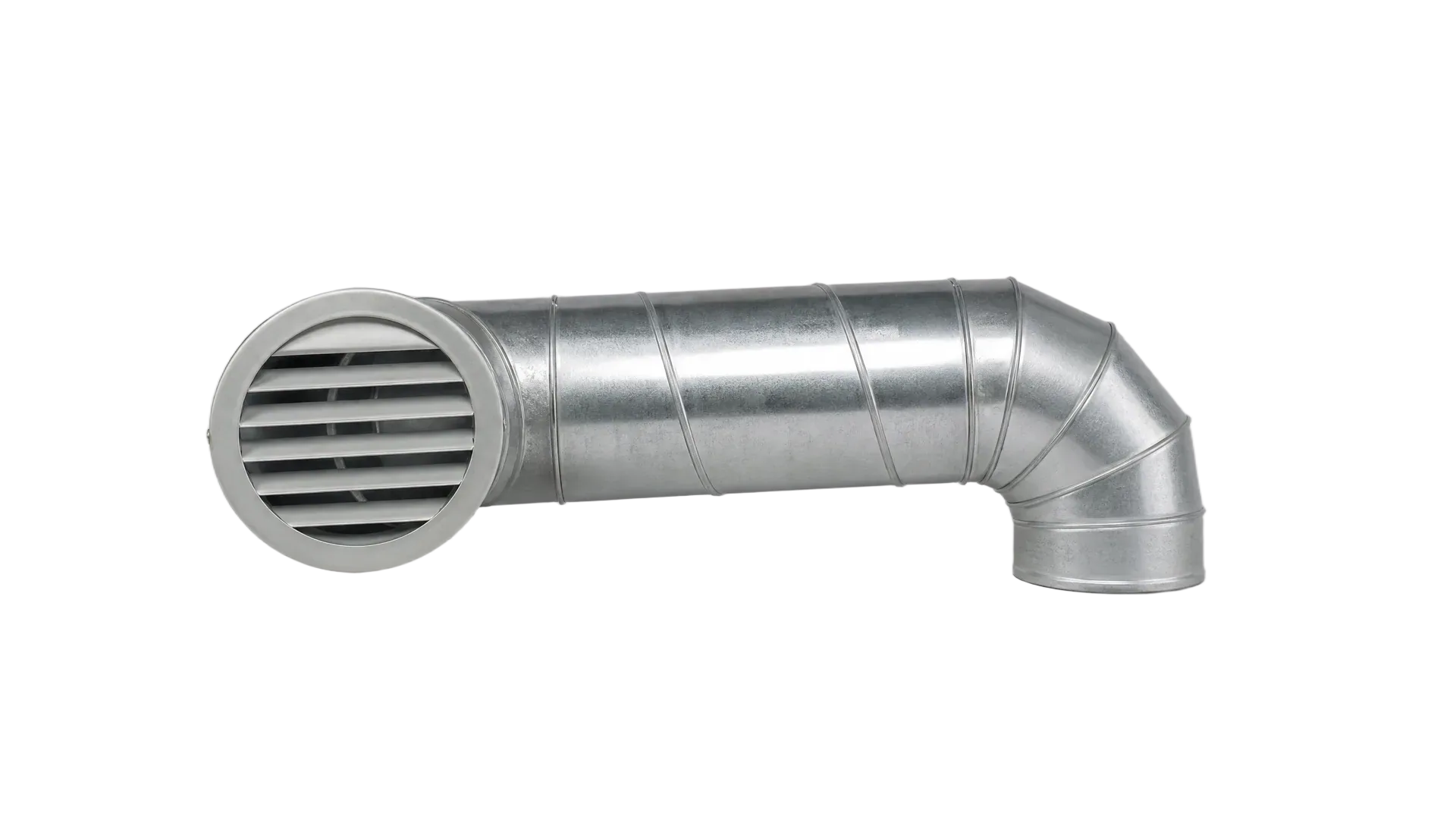
A galvanized steel round duct section with a 90-degree elbow at one end and a louvered vent grille at the other, photographed against a plain gray background.
Start one form

Most homes in Arkansas do fine having their air ducts cleaned every 3 to 5 years. Summers here stay muggy for months, and that moisture gives mold and mildew a place to grow once it works its way into the ductwork, especially if the system sits unused for stretches or a vent has been leaking condensation. Homes with pets, a smoker, or anyone with allergies or asthma usually need it closer to every 2 to 3 years, since dander and dust build up faster and get circulated through every room. If you've had recent duct or HVAC work done, construction or remodeling dust can settle in the lines even if the ducts were clean before. Look inside a vent cover: if you see dust buildup, debris, or anything that looks like mold, that is reason enough to have it looked at regardless of how long it has been.

A smiling bearded man in a dark crewneck sweater sits at a dinner table with a lit candle, glasses of wine and water, and plates of food in the foreground, with a lamp, framed art and a potted plant behind him.
A woman with dark hair in a bun reclines on a gray sofa with her eyes closed and a slight smile, wrapped in a cream knit sweater and blanket, with an open book resting in the foreground and a lit lamp in the dim room behind.

A technician starts by running a camera through the system to see what's actually in there. Dust is one thing. Standing moisture or signs of rodents is another, and that changes what happens next. Once the job starts, a negative air machine pulls on the system while the duct walls get agitated, so the loosened material gets drawn out rather than pushed deeper into the house. The return side gets the most attention, since that's the path household dust and pet hair take straight into the system. The supply lines, the plenum, and the coil housing all get cleared, because moisture and dust tend to settle together in those spots. The coil gets a look too. A dirty coil chokes airflow the same way a clogged duct does, and one is often a sign of the other. If your home heats with an electric furnace or heat pump, which most do here, there's no combustion byproduct in that dust. It's just what the blower has been pulling in from the rooms you live in.

How a Duct Cleaning Works

  • A duct cleaning clears the supply and return lines, the plenum, and the coil housing where dust and moisture settle together.
  • Technicians run a negative air machine on the system while agitating the duct walls, so loosened debris gets pulled out instead of pushed further in.
  • The return side usually holds more buildup than the supply side, since it pulls household dust and pet hair straight into the system.
  • A camera inspection before cleaning shows whether the buildup is dust or something worse, like standing moisture or rodent activity.
  • Electric furnaces and heat pumps common in Arkansas homes don't burn fuel, so the dust in the ducts is almost entirely what the blower has pulled from the house itself.
  • The coil gets checked during a cleaning because a dirty coil restricts airflow the same way a clogged duct does, and one often points to the other.
A smiling woman with long dark hair in a gray sweater sits behind a white countertop holding a glass of red wine, with a dimly lit living room and dark kitchen island in the background.
A woman in a beige knit sweater with her hair up laughs while looking to the side, seated in a dimly lit living area with a sofa, windows and a kitchen counter behind her, a glass of red wine in the lower right foreground.
A woman in a black sweater laughs while seated at a light stone counter with a glass of red wine, in a dimly lit living and dining room with bookshelves, a table lamp and framed artwork behind her.
A smiling woman with long dark hair in a beige sweater sits at a granite counter with a glass of red wine, with a living room, fireplace and dining area behind her.
Empty unfinished basement with bare concrete floor, insulated walls with vapor barrier between wood studs, exposed wood joists, galvanized sheet-metal ductwork, a recessed light, and a steel support column.

Ductwork running clean

This is what ducts look like when the cleaning schedule holds. The metal stays dry, the insulation along the walls stays intact, and air moves through the joists without resistance. A system like this was likely cleaned on schedule, before Arkansas humidity had a chance to settle into it.


Empty basement room with bare concrete walls and floor, exposed wooden floor joists overhead, large galvanized sheet-metal ducts with a vent grille, colored pipes, and a single lit bulb.

Ductwork overdue

Bare concrete walls hold moisture longer than a finished basement does, and that moisture finds the ductwork running overhead. Once a system goes past 5 years without cleaning, dust and mildew build up inside the metal where you can't see it, and the air moving through your house carries it along.

Power costs 12.87 cents per kilowatt-hour statewide

At 12.87 cents a kilowatt-hour, running your blower against clogged ducts costs more than it should, since most heat here comes from electric systems. Dust-choked ducts make that blower push harder to move the same air, and you pay for every extra minute it runs.

EIA-861 2025 statewide residential average

Electric heat runs through the same ducts all winter, so anything blocking airflow makes the blower work longer to hold the same temperature.

A blower moving air through clean ducts cycles off sooner. Left too long between cleanings, that extra runtime shows up on every bill from November through March.

Basement ceiling with large galvanized sheet-metal ductwork, round metal pipes and plumbing lines running beneath wood joists, above a bare concrete wall and floor.
Before you get your ductwork cleaning
Unfinished basement with bare concrete floor and walls, exposed wood joists, large galvanized sheet-metal ductwork, PVC and copper piping, and a gray furnace unit beside wood stud framing.
After you get your ductwork cleaning

Skip the search

Your duct cleaning request goes to one local pro.

No fee to send it, and nothing to sign.

Keeping Your Ducts on Schedule

  • Every 3 to 5 years keeps ductwork clean enough to protect your blower and your electric bill.
  • A local contractor who services ducts all year in Arkansas has seen what muggy summers do to insulation and joists.
  • One contractor handles the job, so you get a single visit instead of sorting through competing quotes.
  • Skipping the schedule shows up as dust, moisture, and a blower working harder than it should.
  • Someone who works on this equipment every season knows which ducts fail first in homes like yours.

Three to five years is what holds up for most homes in Arkansas. That's the number to work from, and the rest comes down to keeping it instead of letting it slide a year or two past when the muggy season has already done its work on the insulation and joists.

A contractor who works on ductwork here all year has seen what that moisture does over a few summers left unchecked, and knows which runs in a house like yours tend to collect it first. That's not something a technician from out of state would catch on a first visit. You get one contractor for the job, not three or four competing for your callback, which means one visit, one person who already understands what Arkansas summers do to a duct system, and no sorting through quotes that all sound the same.

Left alone past that window, the signs are the ones already covered: dust pulled back into the air, moisture sitting where it shouldn't, a blower working longer than it needs to against airflow that should be moving freely. None of that reverses itself. It gets cleaned out, or it keeps building.

Where you stand is simple. If it's been three to five years, or you're not sure when it was last done, that's the point to have it looked at. If it was done recently, you're inside the window and don't need to do anything yet.

A shingled two-story house with lit windows and stone accents at dusk, with a stone paver walkway and landscape lighting leading past ornamental grasses toward a calm bay under an orange and blue sky.

Ductwork Cleaning

Explain it one time

Duct and vent cleaningDucts or ventsArkansas
Step 1 of 2

What ZIP code is the job in?

  • A living room corner with a beige upholstered armchair holding a green pillow and knitted throw, a ceramic table lamp on a side table, white built-in bookshelves, a framed landscape print, a curtained window, and a round wooden table with a lit candle and bowl in the foreground.
    • A local pro who cleans ducts gets in touch with you.
    • Your duct cleaning request goes to a local pro who does this work.
  • A lit table lamp with a tapered beige fabric shade and a speckled rounded ceramic base sits on a wooden surface beside a potted plant, with curtains and a window in the background.
    • Send it once and finding someone is no longer on you.
    • Send the form and finding a duct cleaner is handled.
  • A cream upholstered armchair with a gray pillow and knit throw sits beside a wooden table with a eucalyptus-filled vase, in front of a lit stone fireplace with stacked firewood.
    • Fill out one short form instead of calling around.
    • Explain the job once and skip repeating it on every call.
  • A gray outdoor air conditioner condenser unit on a concrete pad beside a wood-sided wall, with a horizontal wood slat fence, a cushioned patio chair, a wooden table, and a potted green plant nearby.
    • Your request goes to one pro, not a list of companies.
    • The pro who reaches out is licensed in Arkansas.






