







Arkansas HVAC Guide

Does duct cleaning help allergies in Arkansas

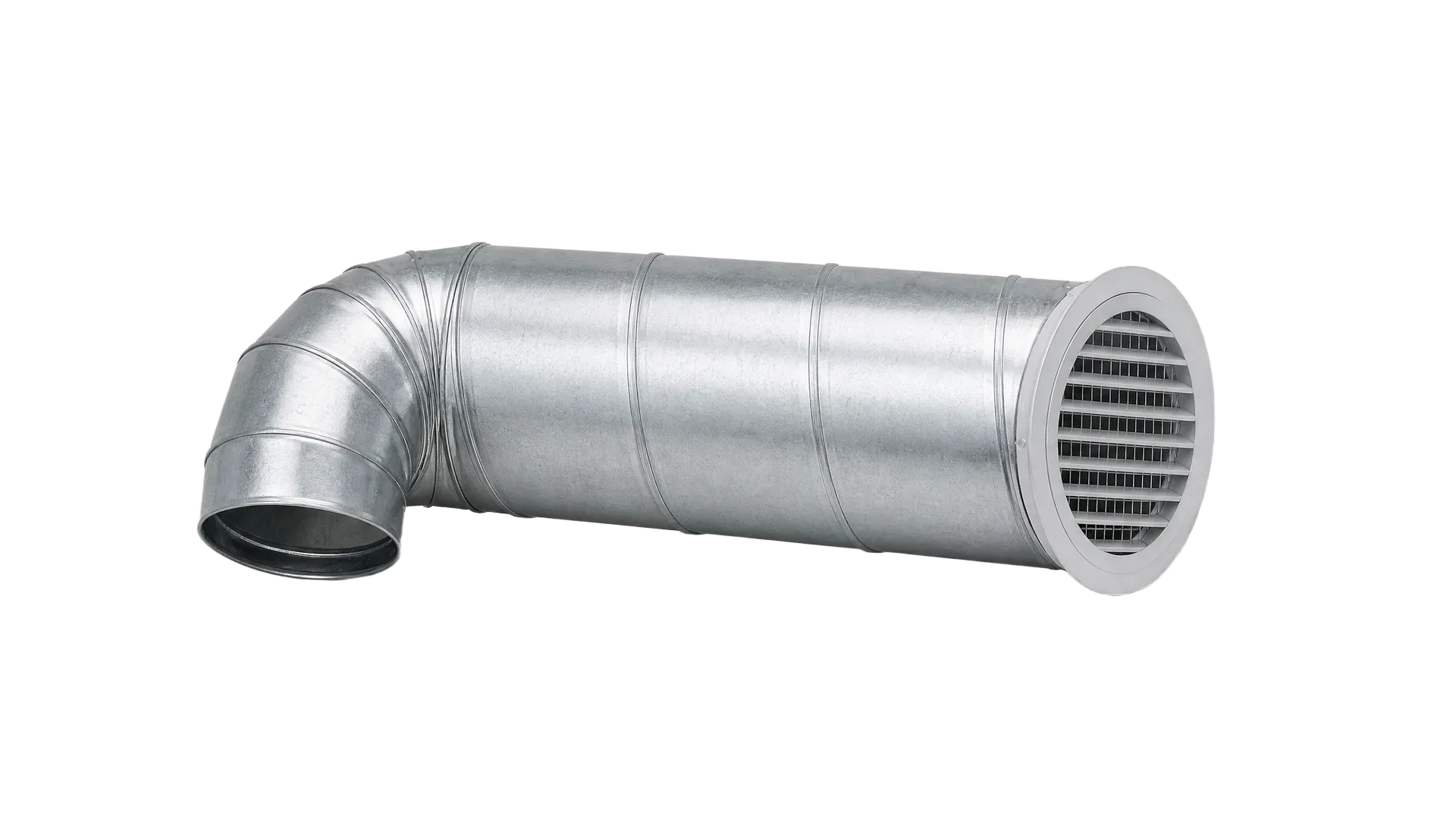
A galvanized steel round duct with a 90-degree elbow and a circular louvered vent grille at one end, photographed against a plain light gray background.
Skip the search

Does duct cleaning help with allergies in Arkansas?

You keep sneezing or dealing with a stuffy nose at home and wonder if what's sitting in your ducts is part of the problem. With muggy summers here, dust and pollen build up fast, and you want to know if having the ducts cleaned will actually make the air better or if it's money spent for nothing.

Sometimes, but only if dust or dander buildup is the actual cause

Duct cleaning removes the dust, pet dander and pollen that settle inside the ductwork and get stirred up every time your system runs. If that buildup is feeding your allergies, clearing it out can mean real relief. But it won't fix allergies caused by what's floating in from outside or growing somewhere else in the house, like a damp crawlspace or a bathroom that never dries out. With Arkansas summers running humid for months, ducts can hold onto dust and moisture longer than they would somewhere drier, which gives allergens more time to build up between cleanings. A contractor who inspects the ducts first can tell you whether that buildup is significant enough to matter, instead of cleaning on a guess.

Unfinished basement interior with exposed wooden floor joists, galvanized rectangular and round sheet-metal ducts, a gray furnace unit at left, and a large blank light-colored wall at right.

What actually collects in there

Ductwork doesn't make dust, it moves air, and whatever is in that air settles along the way. Pollen tracked in during the spring, dust from the house, pet hair, all of it rides the airflow and some of it sticks to the inside of the duct walls. In Arkansas, humid summer air makes that buildup worse, since damp dust clings more than dry dust does. The filter catches some, not all.

Galvanized sheet metal ductwork with elbows and a vent grille running beneath an exposed wood joist and OSB ceiling, next to a blank white wall.

Why the filter isn't enough

Your filter is built to protect the blower and coil, not to scrub every particle out of the air passing through it. Anything fine enough to slip past settles further down the line, in the ducts themselves, and stays there until it's physically removed or stirred back into the airstream. A clean filter changed on schedule still leaves that buildup untouched, which is why the two jobs don't replace each other.

Why does your house feel dustier than it should be

You dust a shelf and by the next week there's a film on it again. The return vent grille has a gray buildup you can wipe off with a finger. Register covers in bedrooms show the same thing, especially the ones the air blows hardest through. Run the system after it's been off for a while and you might catch a musty smell for the first minute or two. Some rooms hold onto a stuffy feeling even with the air on. None of this means your air is unsafe to breathe, but it does mean your system is pushing that dust and pollen through the house every time it runs, and if anyone there already deals with allergies, that's more for them to react to all day.

  1. A tech inspects every supply and return vent for buildup

  2. A camera checks inside the ductwork before any work starts

  3. Vents and trunk lines get agitated to loosen debris

  4. A high-powered vacuum pulls the loosened dust out of the system

Will Cleaning Fix Your Allergies

When cleaning helps

  • If your ducts have visible dust at the registers or a gray film you can wipe off, clearing that out removes material your system was circulating every time it ran.
  • A home with pets will build up hair and dander inside the trunk lines faster than one without, and that buildup gets stirred up each time the blower kicks on.
  • If you've had duct work done, like a new supply run or a repair, cleaning afterward clears out drywall dust and debris left behind from the job.
  • Homes that sat with the system off for a while, like a vacation rental or a house between tenants, can collect a layer of settled dust worth clearing before regular use picks back up.

When it won't move the needle

  • If your allergies flare worst during spring pollen or when the grass gets cut nearby, that's pollen in the air you're breathing, not dust sitting in a duct.
  • A dirty filter that isn't being changed on schedule will undo any benefit from cleaning within a few weeks, since it's the filter doing the ongoing work.
  • If nobody in the house has ever seen debris at a vent or felt dust blowing out, there may not be enough buildup inside to account for symptoms.
  • Mold growing somewhere damp, like around a bathroom vent or a window sill, affects the air in a room directly and cleaning the ducts somewhere else won't touch it.
A smiling woman with long dark hair in a gray sweater sits at a white stone counter with a glass of white wine, with a kitchen, fireplace and sofa visible behind her.
A smiling woman with dark hair in a cream sweater sits at a marble table with a glass of red wine, with a lit lamp, sofa, fireplace and kitchen counter behind her.
A woman in a cream sweater laughs while seated at a marble countertop with a glass of red wine, with a dimly lit living room and sofa behind her.
A woman in a beige turtleneck sweater with her hair up sits laughing and looking to the side at a white marble table with a glass of red wine, in a dimly lit interior with a lamp and seating area behind her.

No phone calls to make

Your duct cleaning request goes to one local pro.

Asking costs nothing, and the choice to hire stays yours.

Allergies tied to the ducts

If your symptoms track with the furnace or AC running, like a stuffy nose that eases when you're out of the house, that points to something circulating in the air. A gray film on the return grille or dust that resettles within days backs that up. Cleaning the ducts and trunk lines clears out what's been building along those surfaces and getting pushed into every room each time the system cycles. For someone with pets or a house that holds pollen in spring, this is often where the dust in the air is actually coming from.


Allergies that start elsewhere

If the vents and registers look clean and the dust problem is mild, your ducts may not be the source. Allergies tied to a specific season outdoors, or to a pet that sleeps in one room, or to carpet and bedding, won't let up from duct work alone. A filter that's overdue for a change can do more for the air you breathe than anything inside the trunk lines. Humidity indoors matters too, since mold and dust mites both thrive when it stays high, and that has nothing to do with what's sitting in your ductwork.

Empty basement with bare concrete walls and floor, a steel support column, and galvanized sheet-metal ductwork and pipes running along the exposed wood joist ceiling.
Before you get your ductwork cleaning
Empty unfinished basement with concrete walls and floor, exposed wood joists, metal HVAC ducts and pipes overhead, and a steel support column near a framed wall.
After you get your ductwork cleaning

Before you get your ductwork cleaned

The registers show a gray film you can wipe off with a finger, and it comes back within a week or two of cleaning it. Dust resettles on shelves and counters faster than it should. If anyone in the house has allergies, the sneezing and stuffy nose tend to line up with the furnace or AC cycling on, worse right after the system kicks in and easier when you're outside or away for a day. Pet hair and dander build up along the trunk lines and get pushed into every room the ducts feed. You might also notice a musty smell when the air first comes on, especially after the humidity's been high. None of this shows up as a single clear sign, it's a handful of small things that add up once you start paying attention to them.

After you get your ductwork cleaned

The registers stay clear longer, and the gray film that used to wipe off your finger doesn't come back at the same rate. Dust still settles, it always will, but shelves don't need wiping down every few days. If the sneezing or stuffy nose was tracking with the system running, that connection loosens or goes away entirely. The musty smell at startup clears up too, since the debris that was holding moisture is gone. None of this changes what's generating dust and pollen outside or inside your house, and a system that isn't sealed well will start pulling new debris in over time. A contractor who's cleaned ducts in homes around Arkansas for years can tell you, from what the camera shows, whether your system is likely to stay cleaner or build back up fast.

Power costs 12.87 cents per kilowatt-hour statewide

At 12.87 cents per kilowatt-hour, running the blower longer than it needs to costs you something every month. A system pushing air through clogged ducts works harder to move the same amount, and with most homes here heating on electric, that extra runtime shows up on the bill.

EIA-861 2025 statewide residential average

If your ducts are holding visible dust, pet hair, or a gray film that keeps coming back, cleaning them out takes away one real source of what you're breathing, though it won't touch pollen coming in through open windows or whatever your own carpet and furniture shed. A licensed contractor who works on ductwork in homes around Arkansas all year has seen what builds up in a trunk line after a muggy summer and what it takes to clear it properly, down to whether your system needs a full cleaning or just the coil and blower wheel looked at. Getting matched means one local contractor looks at your actual vents and registers, not a stack of quotes to sort through or the same symptoms explained over the phone to three different companies. You end up with someone who can tell you, specifically, whether your ducts are part of why you're sneezing at home, and what cleaning them will and won't change.

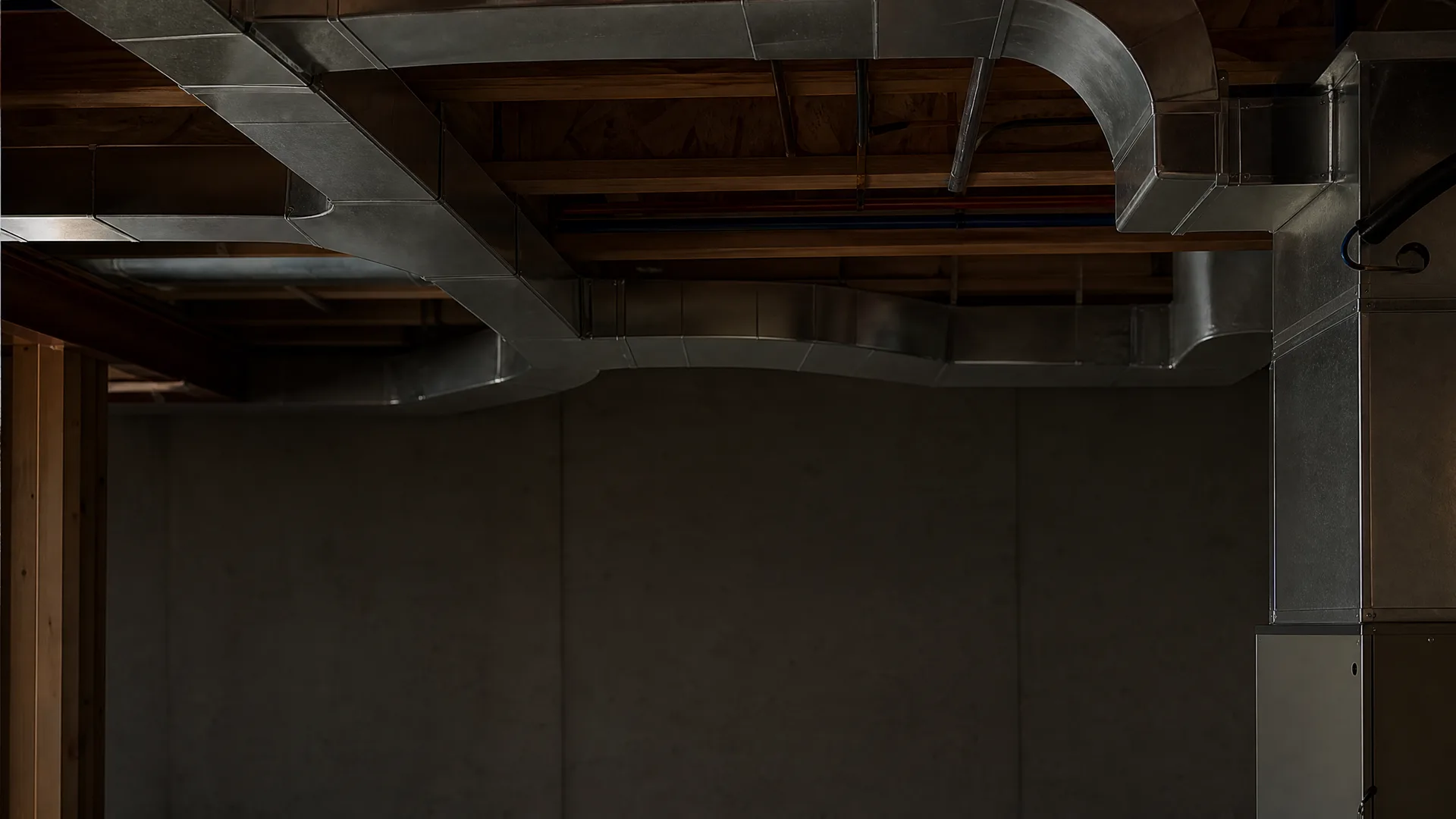
Dimly lit interior showing galvanized sheet-metal HVAC ductwork running below a wooden joist ceiling above a dark gray wall.

One form, no calling around

Only one pro gets your request, so you hear from one company.

Duct and vent cleaningDucts or ventsArkansas
Step 1 of 2

What ZIP code is the job in?