Heat Pump Repair in Pine Bluff, AR
Homes here need heat from November through March and cooling from May through September. If your system quits, tell us what it's doing and a licensed contractor who covers Jefferson County will get in touch.
Tell us about the job
It takes about a minute.
Ten months of runtime wears a heat pump down
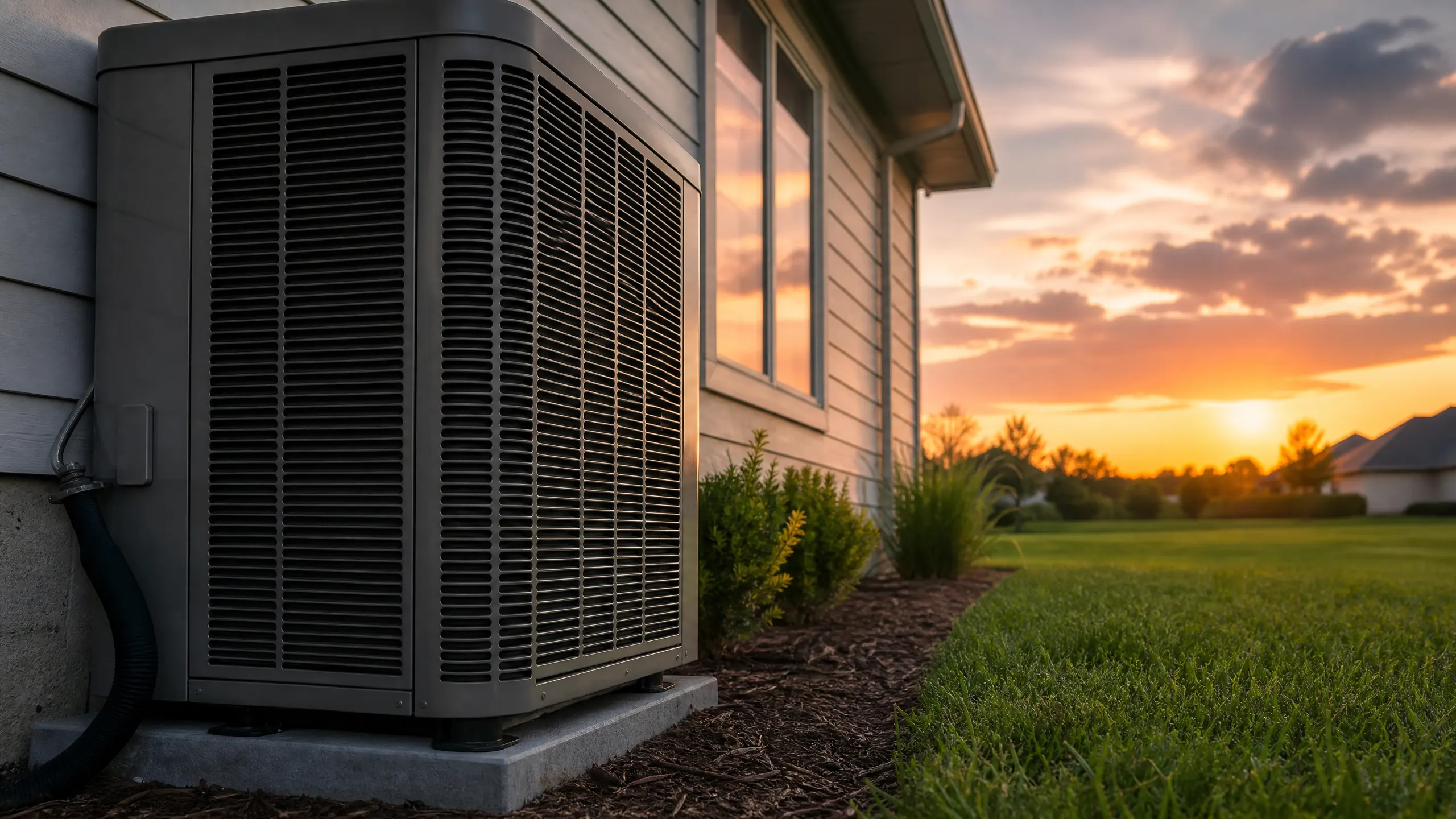
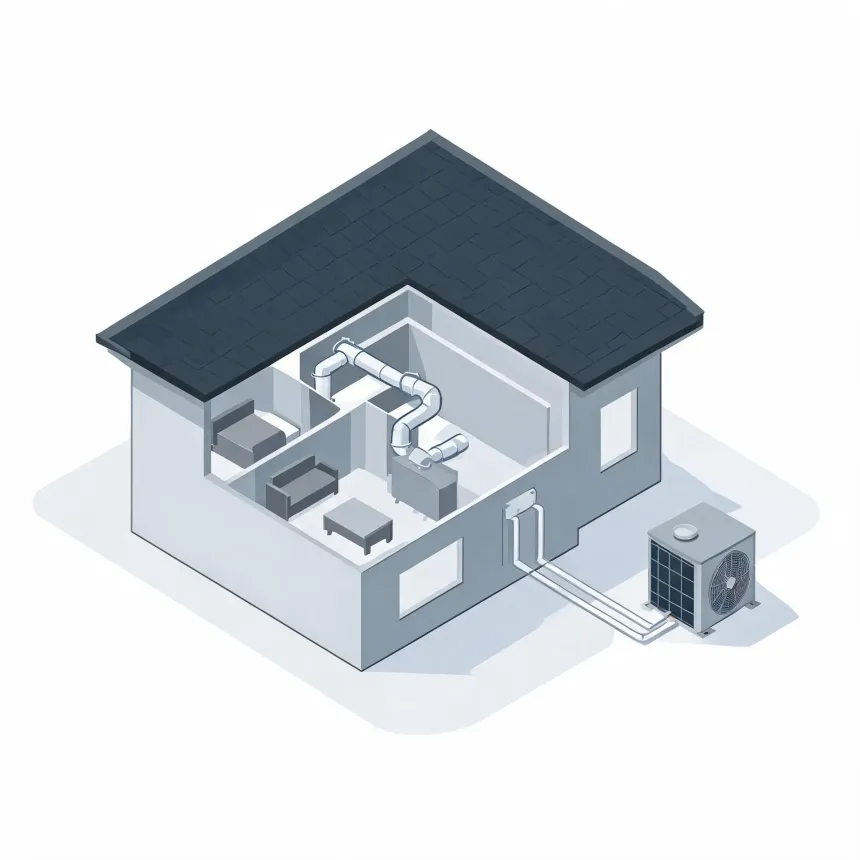
Your heat pump works ten months a year in Pine Bluff, heating from November through March and cooling from May through September. On winter nights that average 35°F it runs in defrost cycles more often, switching back and forth between heating your home and clearing ice off the outdoor coil. On summer afternoons that hit 91°F the compressor runs long hours to keep up. That much cycling puts real wear on the reversing valve and the compressor, the two parts that let the system switch between heating and cooling.
More than half of homes here heat with electricity, so when the heat pump stops working there is often no backup keeping the house warm. Storms make that worse. Jefferson County has seen 12 winter storms and 45 damaging wind events over the past ten years, and in 2024 nearly a quarter of Arkansas households lost power for at least 24 hours. A power interruption during a cold snap can trip the system's controls, and it needs to come back on and reset correctly once power returns.
- 5 months
- November through March, your system heats
- 5 months
- May through September, it cools
- 35°F
- the average winter night it heats against
- 91°F
- the average summer afternoon it cools against
NOAA nClimDiv, 1991–2020 normals
Arkansas requires HVAC contractors to hold a state license.
The license belongs to the contractor, not to this one job. Arkansas is the only authority that issues it, since counties and cities in the state cannot require an HVAC license of their own. That holds true in Jefferson County the same as anywhere else in the state.
For a heat pump repair, the part of the job the license does not reach is the refrigerant side. A heat pump moves refrigerant to heat and cool, and whoever opens that side of the system has to hold EPA Section 608 certification, the federal requirement for that work in every state, not just Arkansas.
Source: Arkansas Department of Labor and Licensing
- Why is my heat pump blowing cold air?
- In winter this usually means the system is stuck in defrost or the reversing valve has failed. A heat pump in defrost mode runs the outdoor fan off and pushes cool air inside for a few minutes while it melts ice off the coil, and that's normal. If the air stays cool well past that, or feels cool most of the time you run heat, the reversing valve may be stuck and needs a contractor to check it. Air that feels cool but is still warmer than the room is often just how heat pumps work, since the supply air runs cooler than a furnace's.
- Why is there ice on my heat pump?
- Some frost on the outdoor unit in winter is normal, especially on cold nights, and the system clears it through regular defrost cycles. Heavy ice that doesn't melt off points to low refrigerant, a failed defrost control, or airflow blocked by leaves or snow around the unit. With winter lows here averaging 35°F, the outdoor coil runs cold often enough that a bad defrost board can let ice build up fast. If the ice keeps coming back after you clear the area around the unit, have a licensed contractor check the refrigerant charge and defrost controls.
- Why is my heat pump running but not cooling?
- If the outdoor unit and indoor blower are both running but the air isn't cold, check the air filter first since a clogged one can choke off airflow enough to stop the coil from cooling properly. If the filter is clean, low refrigerant from a leak is a common cause, and it won't fix itself since refrigerant doesn't get used up in normal operation. A frozen indoor coil from restricted airflow can also cause this, and running the system while it's frozen can damage the compressor. With summer afternoons here averaging 91°F, a system that's lost cooling capacity will fall behind fast, so it's worth getting a licensed contractor out before the compressor takes the strain.