Heat Pump Installation in Pine Bluff, AR
A new system here will heat from November through March and cool from May through September every year. Tell us about the house, and a licensed contractor who covers Jefferson County will get in touch.
Tell us about the job
It takes about a minute.
What Pine Bluff asks of a heat pump
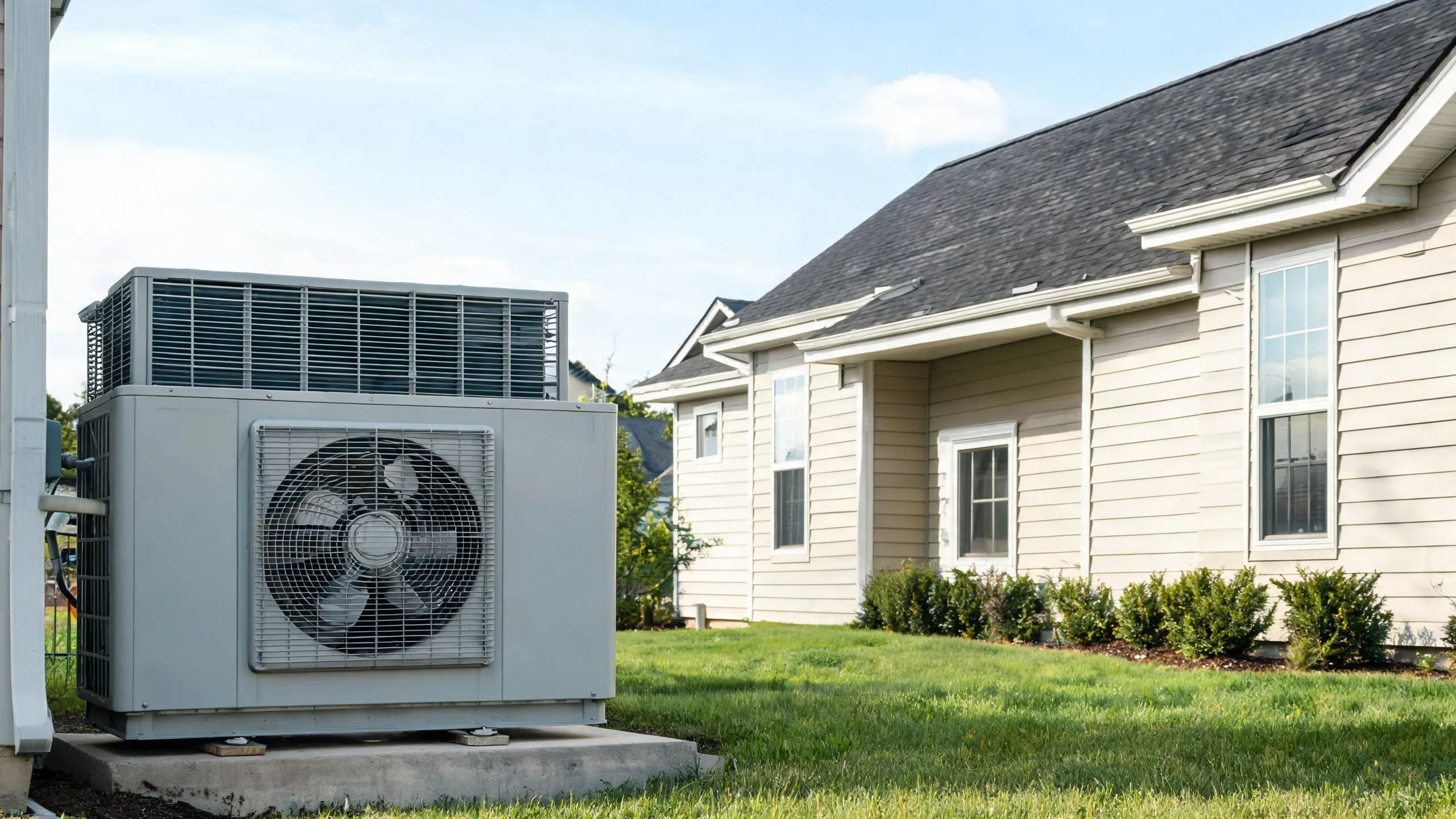
Your heat pump works ten months out of twelve here. Only a short stretch in spring and fall gives it a break. Winter nights average 35°F, mild enough that a heat pump can carry the heating load without a lot of strain. Summer afternoons average 91°F, and that's the harder stretch, five months of cooling with the compressor running long hours to keep up.
More than half the homes in this area heat with electricity, so the unit you install is likely doing the whole job, not backing up a furnace. Any split-system heat pump made from 2023 on has to meet 14.3 SEER2 for cooling and 7.5 HSPF2 for heating. With this unit running most of the year, that efficiency floor matters more here than in a place where the equipment sits idle half the time.
- 5 months
- November through March, your system heats
- 5 months
- May through September, it cools
- 35°F
- the average winter night it heats against
- 91°F
- the average summer afternoon it cools against
NOAA nClimDiv, 1991–2020 normals
Arkansas requires HVAC contractors to hold a state license.
That license belongs to the contractor, not to this one job, and no county or city in Arkansas can layer on its own license requirement on top of it. The name on the license is the same name accountable for the work in Jefferson County as anywhere else in the state.
For a heat pump installation, that license is what stands behind the person doing the work. It does not replace the permit most local building offices require when a heat pump goes in, along with an inspection once the work is done. The license says who is allowed to do the job. The permit and inspection are what put this particular installation on record and check it once it is finished.
Source: Arkansas Department of Labor and Licensing
- Is a heat pump better than a furnace?
- A heat pump does both heating and cooling, where a furnace only heats. Around Pine Bluff that matters because homes need heat from November through March and cooling from May through September, so one system covers ten months of the year instead of just the cold ones. Winter nights here average 35°F, which is well within the range a heat pump handles on its own. Whether it fits your house better than a furnace and separate AC depends on your ductwork and what's there now, so a contractor should look at the specifics before you decide.
- What's the difference between a heat pump and an air conditioner?
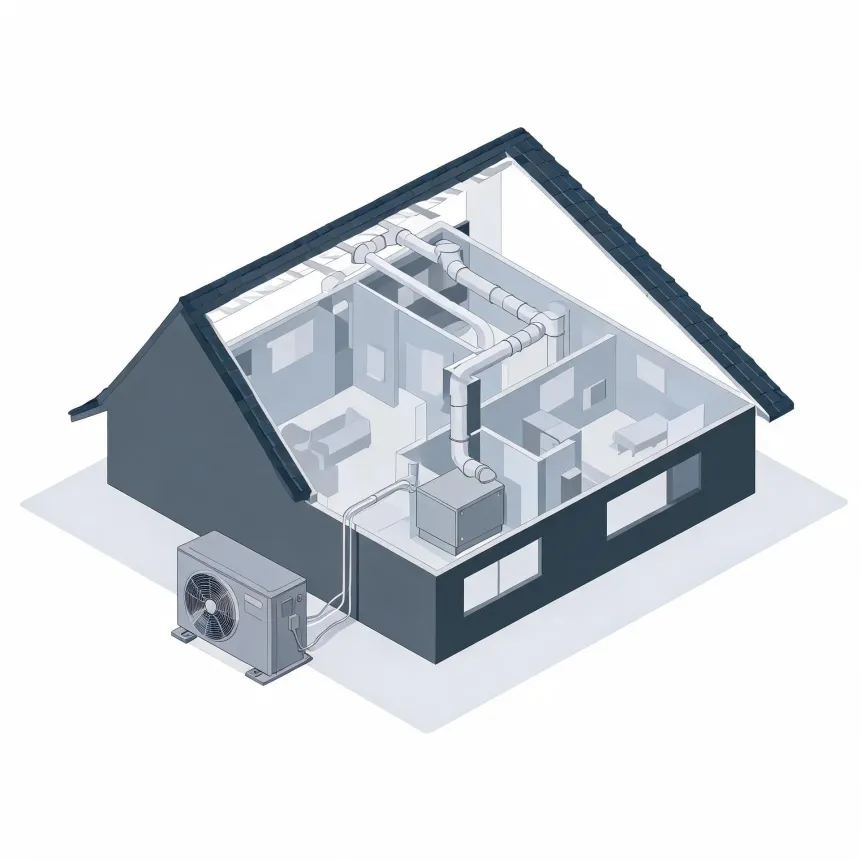
- An air conditioner only moves heat out of your home. A heat pump does the same thing in summer, but it can also run in reverse and move heat into your home in winter. The parts that do the cooling work the same way in both, which is why a heat pump can replace both your furnace and your AC in one unit.
- Does a heat pump work in cold weather?
- Yes, a heat pump pulls heat from outdoor air even when it's cold, and it keeps working as temperatures drop. Winter nights around Pine Bluff average 35°F, which is mild enough that a heat pump can carry the heating load through the season without much trouble. Newer heat pumps sold since January 2023 have to meet a federal minimum of 7.5 HSPF2 for heating efficiency, so any current model is built to perform through the cold months here.