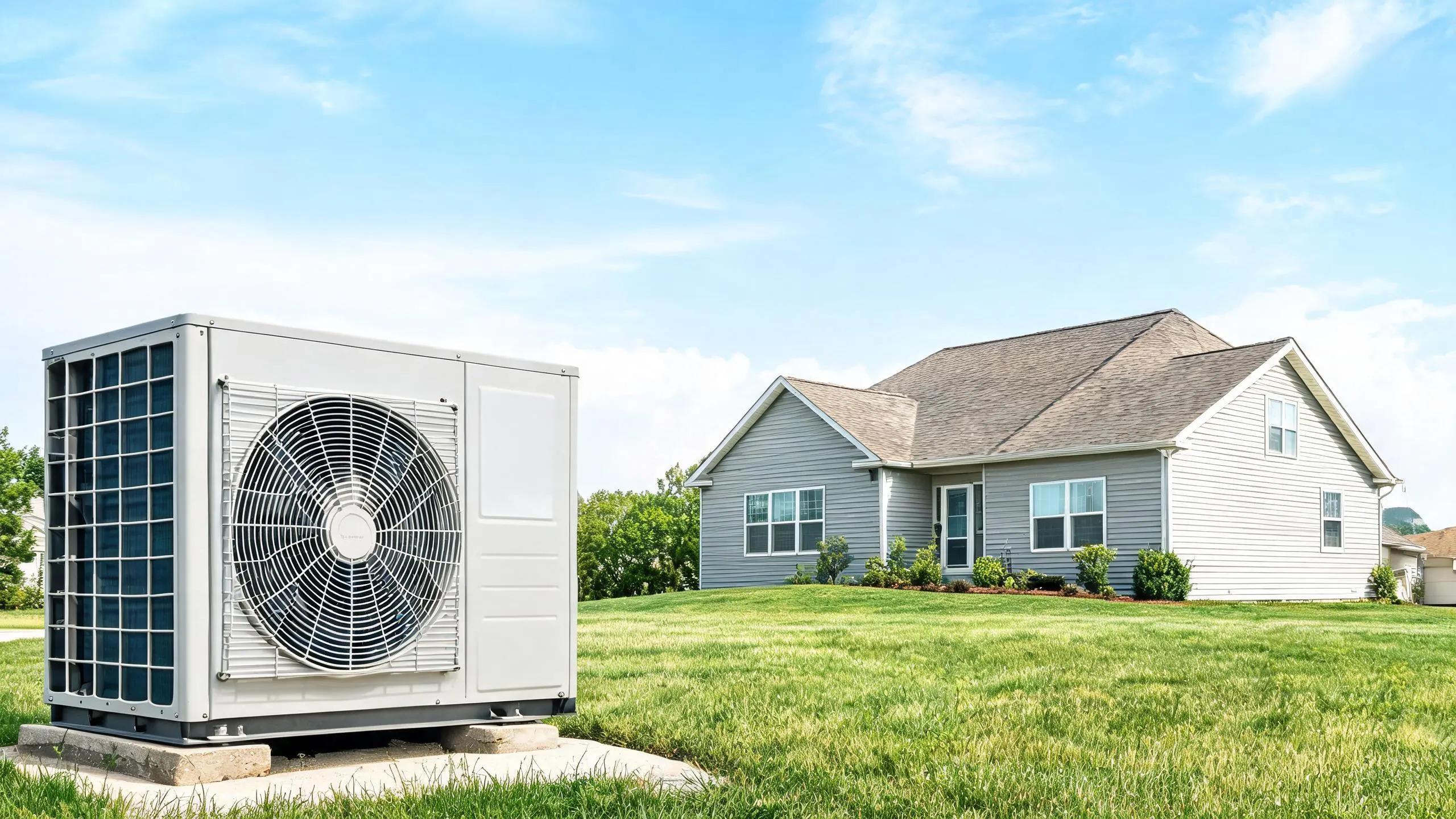
Heat Pump Repair in Cabot, AR
Homes here need heat from November through March and cooling from May through September. If your system quits, tell us what it's doing and a licensed contractor who covers Lonoke County will get in touch.
Tell us about the job
It takes about a minute.
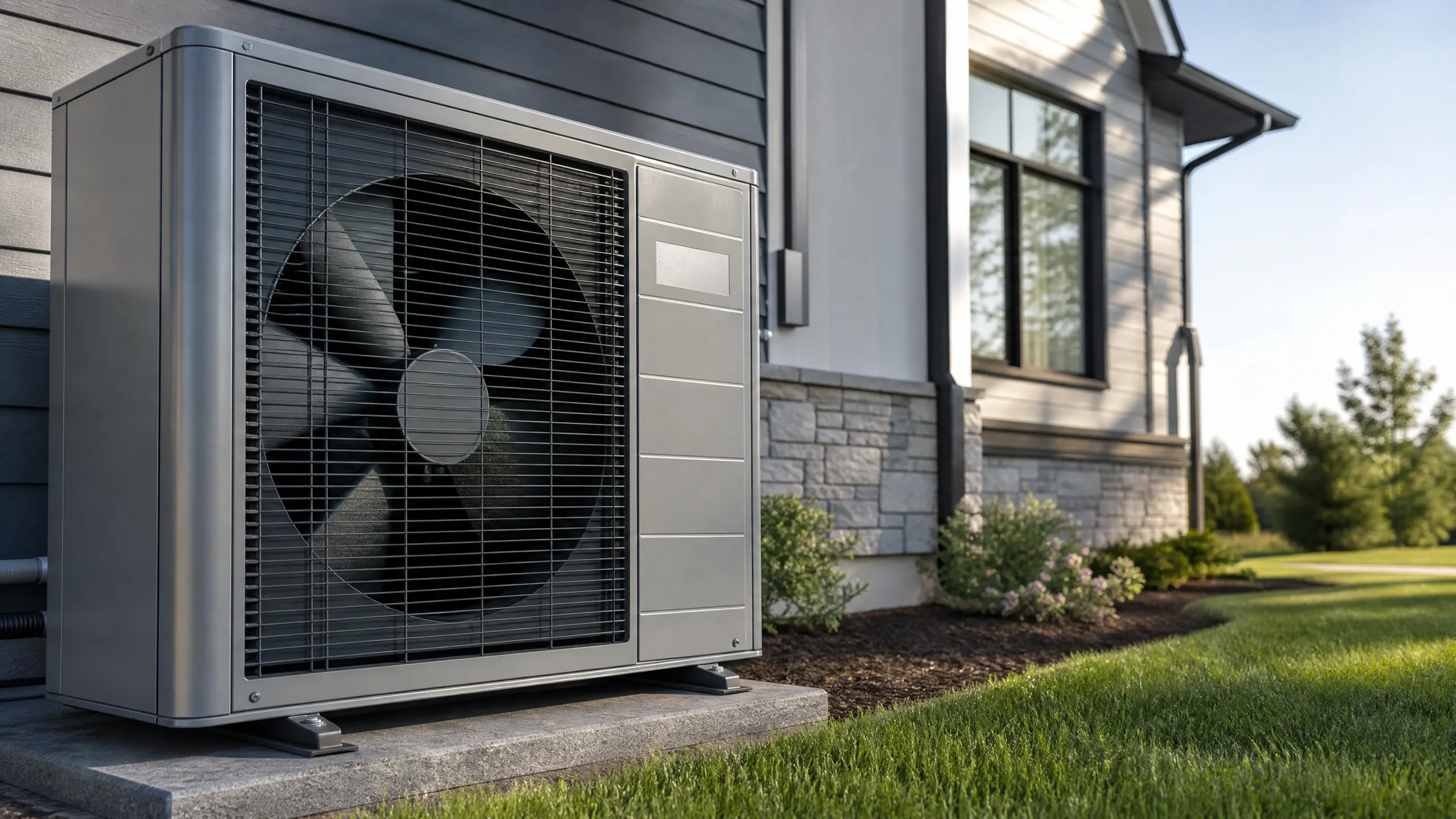
Cabot asks a lot of a heat pump
Your heat pump works ten months a year here, heat from November through March and cooling from May through September. That leaves it almost no season off, and almost no season to catch up on wear before the next one starts.
Winter nights averaging 34°F mean the system spends a lot of hours in defrost, switching over to melt frost off the outdoor coil before it goes back to heating. Summer afternoons near 90°F push the compressor hard on the other end. Between the two, the reversing valve that switches the system between heating and cooling takes steady use, and it's often the part that fails first, stuck in one mode when you need the other. Add in the wind that comes through Lonoke County, 80 damaging wind events over the last ten years, and the outdoor unit itself is exposed to debris and strain that indoor equipment never sees.
- 5 months
- November through March, your system heats
- 5 months
- May through September, it cools
- 34°F
- the average winter night it heats against
- 90°F
- the average summer afternoon it cools against
NOAA nClimDiv, 1991–2020 normals
Arkansas requires HVAC contractors to hold a state license.
The license is held by the contracting business, not by the specific job at your house, so it stays in place across every repair that company takes on. Because the state sets this rule, Lonoke County and any city within it cannot layer on a separate local license. Wherever the contractor is based in Arkansas, this is the license that applies.
For your heat pump, that state license is what stands behind the person doing the work. If the repair involves opening the refrigerant lines, which most heat pump repairs do, the technician also needs EPA Section 608 certification, a federal requirement that applies no matter what state you're in. That certification covers the handling of refrigerant specifically. The state license is what covers the contractor doing the job.
Source: Arkansas Department of Labor and Licensing
- Why is my heat pump blowing cold air?
- In heating mode, a heat pump puts out air that feels cool next to your skin even when it is working right, because the air leaving the vents is warmer than the room but still well below body temperature. If the air is actually cold, not just cool, check that the thermostat is set to heat and not fan only. A dirty filter or a low refrigerant charge can also leave you with air that never warms up, and that calls for a licensed contractor to check the charge and the coil.
- Why is there ice on my heat pump?
- A heat pump forms frost during a normal defrost cycle, especially on cold nights, and it should clear that ice on its own within an hour or so. With winter lows around 34°F here, you will see this more from November through March. If the ice keeps building instead of melting off, or covers the whole outdoor unit, that points to a stuck defrost control, a failing fan motor, or low refrigerant, and a licensed contractor needs to look at it.
- Why is my heat pump running but not cooling?
- If the outdoor unit is running but the air inside is not getting cold, the most common cause is a dirty air filter or a coil blocked with dirt, both of which cut off the airflow the system needs to pull heat out of your home. Low refrigerant from a leak will cause the same problem and gets worse over time rather than better. On a 90°F afternoon this shows up fast, so check the filter first and call a licensed contractor if the air is still warm after that.