A load that won't dry
With the vent packed, heat and moisture sit in the duct instead of venting outside. You'll notice longer cycles, a hot laundry room, or clothes still damp after a full run.

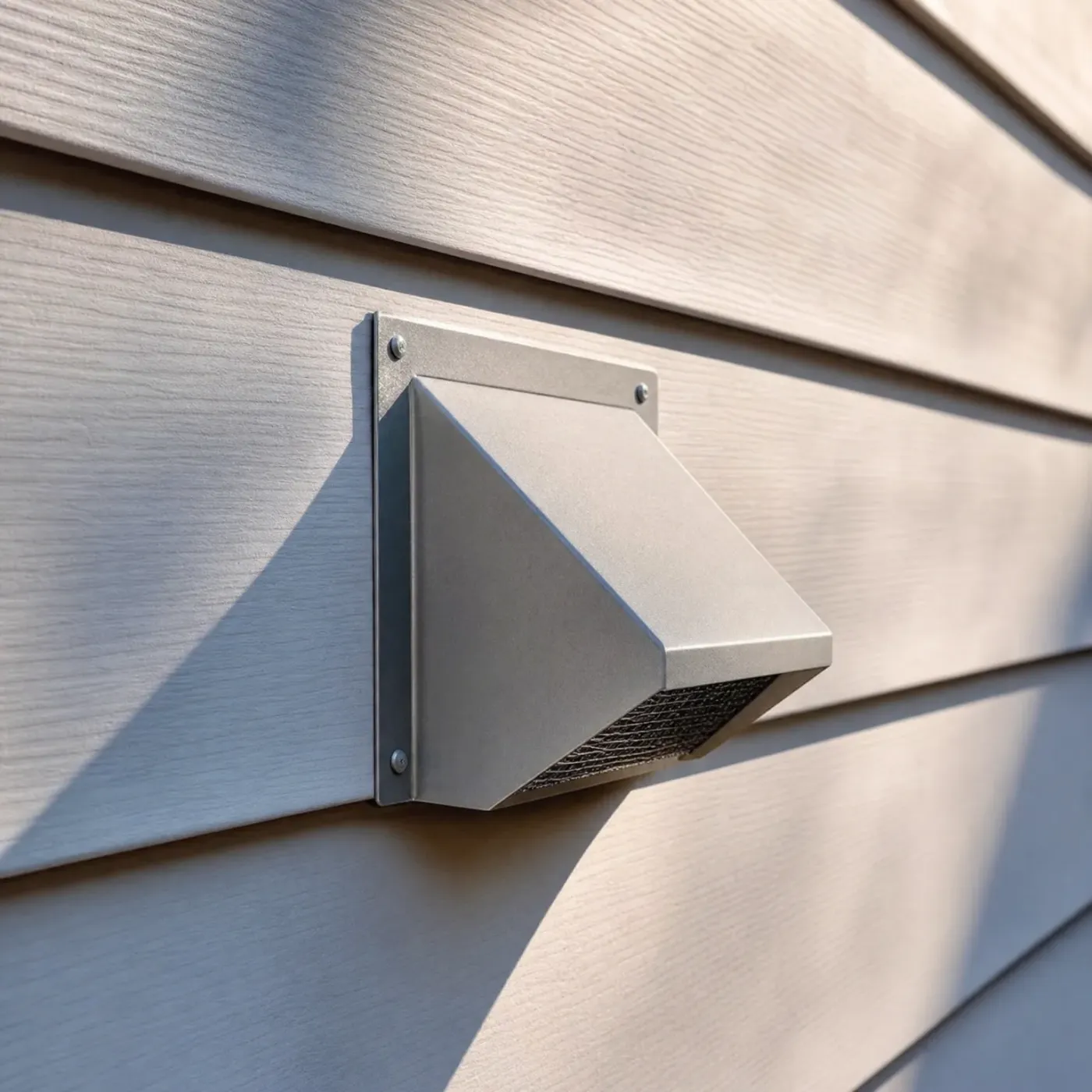
Spring comes around and you hear scratching or chirping near the dryer vent on the outside wall, or the dryer seems to take longer to dry a load. In Arkansas, spring is when birds look for places to nest, and a dryer vent hood looks like a ready-made shelter. If the flap doesn't close all the way or sits propped open with lint, it's an easy way in.
Birds nest in dryer vents because the hood outside offers a dark, enclosed space that's already warm from past loads, and it's protected from rain and from most predators. If the flap on the vent hood is bent, stuck with lint, or missing a spring, it won't close tight between loads, and that gap is all a bird needs. Once nesting material packs into the duct, it blocks airflow. The dryer has to work harder to push air out, loads take longer to dry, and the lint that would normally blow outside builds up inside the duct instead. That buildup is a fire risk, not just a nuisance, since dryer vents are one of the few duct runs that carry heat and lint together.






A dryer vent hood is built with a flap that stays shut except when the dryer is running. That stillness is exactly what draws a bird in. Between loads, with no warm air pushing through, the opening looks like any other hollow worth building in. Once a wren or sparrow starts packing twigs and grass against the flap, the hood stops doing its job. The flap can't seat shut, and it can't swing fully open either, so it hangs caught in between. Every load after that pushes lint into the duct the same as always, but now the lint has something to catch on. It builds against the nest instead of blowing clear outside. The pile only grows from there, load after load, until the duct is doing double duty holding back both nesting material and months of trapped lint. With the path that blocked, the dryer has to run longer to dry the same load, and the air it can't push outside goes back toward the drum, carrying heat and moisture with it.


A nest in the vent doesn't clear on its own. Pulling it out means getting to the duct from the wall or the roofline, and most of that material is packed in tighter than it looks from outside. Leave it, and the dryer keeps pushing hot, damp air against a blockage instead of outside, which is how lint and nesting material start holding heat where they shouldn't. Arkansas summers are muggy enough without a dryer adding to the moisture inside your house. A contractor who clears vents all spring knows what a few weeks of bird activity does to a duct and how to get the nest out without tearing into the wall. Send the request and a licensed local contractor who works on this gets it, not a handful of companies competing for the callback. That's one less thing to track down while you're still hearing noise behind the wall every time the dryer runs.
A dryer vent pushes out warm, moist air every time you run a load, and that airflow is what's supposed to keep the hood clear.
Once a nest blocks that path, the same moist air has nowhere to go but back up the duct, which is how lint starts holding dampness instead of drying out.


With the vent packed, heat and moisture sit in the duct instead of venting outside. You'll notice longer cycles, a hot laundry room, or clothes still damp after a full run.
Nesting material is dry and sits right where heat from the dryer passes through. Lint packed around it catches easily, and you won't see it happening behind the wall.
At under 13 cents a kilowatt-hour, running your dryer twice to finish a load that should take one cycle doesn't hit your bill that hard. The real cost is what sits in that vent while you run it a second time, packing the nest and lint in tighter.
EIA-861 2025 statewide residential average
A bird picked your vent to nest in because it looked like a safe, quiet spot, and that part isn't unusual. What matters now is getting the duct clear all the way through, not just pulling what you can see or reach from the hood outside. Nesting material packs further back than most people expect, and whatever gets left behind catches lint the same way the nest did, so the problem comes back faster the second time.
A contractor who works on dryer vents in Arkansas every spring has pulled this exact kind of nest out of this exact kind of duct more times than you'd guess. They know where birds tend to pack material tightest, where lint builds up fastest once airflow slows, and what the hood flap looks like when it's been fighting a blockage for weeks. That's the kind of knowledge that comes from doing the job locally, season after season, not from a general checklist.
Once you send the request, one local contractor takes it, so you're not stuck juggling calls from three or four companies trying to book the same job. You'll know who's coming and what they're there to do.
Clear the vent now and the dryer goes back to drying a load in one cycle, with the heat going where it's supposed to, out the hood and away from the house.