

Why your heat pump is loud in Arkansas summers

RepairHeat PumpArkansas
Step 1 of 2

What ZIP code is the job in?

Why is my heat pump so loud this summer?

A heat pump running all day in Arkansas summer heat gets asked to do more, and it shows up as noise. You want the house comfortable for everyone in it, and a unit that suddenly sounds different outside makes you wonder if something is wearing out or about to fail.

Long run times and a hot outdoor coil are making it work harder and louder

When it's hot and humid outside, your heat pump runs longer stretches to keep up, and the outdoor fan and compressor spend more hours working at full load. That alone makes it louder than it sounds in spring or fall. A rattle, a new hum, or a screech on top of that normal running noise usually points to something else, a fan motor losing balance, a loose panel, or a compressor under strain from a dirty coil or low refrigerant. The heat and humidity don't cause those problems, but they make a unit that's already struggling work harder, and that's when you start to hear it from inside the house.

A gray outdoor condenser unit on a concrete pad beside a house with horizontal lap siding, a conduit and disconnect box on the wall, a shrub with white flowers at right and evergreen foliage at left.

Normal running sound

A steady hum and a whir from the fan is normal. Air moves through the fins, the fan turns, and the sound stays about the same hour to hour. If it sounds the way it did last July, the noise is just the unit working through another hot, muggy day.


A gray outdoor air conditioning condenser unit on a concrete pad beside a house with light vinyl siding, with a gray electrical disconnect box and conduit on the wall to the right.

A sound that's changed

Dirty, matted fins like these make the unit work harder and louder to push air through them. Rattling, grinding, or a new buzz means something inside has shifted or worn down. That's the kind of noise worth having a contractor look at before it affects the whole house.

Is this noise something you need to worry about

You hear it from the kitchen or through a bedroom wall before you can see the unit. A rattle that wasn't there last month, a clanking when it cycles on, a hiss or a squeal that climbs when the compressor kicks in. Maybe it's louder at certain times of day, when the heat is worst and the system runs longest. A unit that's struggling to keep up can run longer than it should to hold the temperature you set, and that's more wear on the parts making the noise. Left alone, a loose part can work itself looser, and a strained compressor can fail outright, leaving the house without cooling during the hottest stretch of summer.

A woman with dark hair in a bun wearing a cream knit sweater sits on a gray sofa in a bright living room, looking off to the side.
A woman wrapped in a knit blanket sits on a gray sofa in a living room, looking toward a bright window with houseplants and an armchair in the background.
A woman in a gray cowl-neck sweater sits on a light sofa with cushions, smiling and looking to the side, with a kitchen and window visible behind her.
A woman with dark hair in a bun, wearing a light linen shirt, sits on a sofa and looks to the side, with a window, houseplants and a kitchen with pendant lights blurred behind her.
A woman stands in the open doorway of a white stucco house holding the dark door, facing a man in a black cap and shirt seen from behind in the blurred foreground, with a potted flowering plant beside the entry.

What's making the noise inside the unit

A heat pump cools by running refrigerant through a cycle, and the outdoor unit is where the compressor sits. The compressor is the part doing the real work, squeezing refrigerant gas so it can give up heat to the outside air. When Arkansas heat sits in the upper 90s and the humidity won't break, that compressor runs longer and harder to move heat out of a house that won't stop gaining it. A compressor under that kind of load runs louder than the same compressor working a mild afternoon, even with nothing wrong with it. The fan above it works harder too, pulling more air across the outdoor coil to shed the heat the compressor just collected.

A rattle or a knock is a different thing. That's a part loose in the cabinet, a fan blade out of balance, or something that's worked its way in and is hitting metal. You can hear the difference once you know what you're listening for, but telling a hard-working compressor from one with a real problem isn't something you can always do standing in the yard. A contractor who works on heat pumps in this kind of heat can look at your unit, tell you which one you've got, and take it from there without you having to describe the sound over the phone to three different companies first.

A dark ceramic mug on a round wooden table beside a light grey sofa with a woven cushion and knit throw, with a window, potted plant, floor lamp and wooden cabinet blurred in the background.
A beige outdoor air conditioning condenser unit on a concrete pad beside a house with horizontal vinyl siding, with refrigerant lines and a disconnect box on the wall, surrounded by dark mulch and a green shrub at left.

Running the way it should

The fan turns at one steady speed and the hum stays level whether the unit has been running five minutes or five hours. No part of it changes pitch on its own. The conduit and disconnect box sit untouched beside it, doing nothing but carrying power.

An outdoor air conditioner condenser unit on a concrete pad beside a house with beige horizontal siding, with conduit running from an electrical box on the wall.

Something's off

Same kind of unit, same wall, but a sound that climbs or cuts in and out means a part inside is struggling against the load. A compressor working against a refrigerant problem, or a fan motor wearing out, won't quiet down again on its own. A contractor can trace it to the part before it fails outright.

An older woman with gray hair in a bun and glasses, wearing a beige knit sweater, smiles while looking to the side in a warmly lit kitchen, with a loaf of bread on the counter in the foreground and a snowy scene outside the window.
A woman and a child wrapped together in a thick knitted blanket on a sofa, both with eyes closed, with a lit table lamp and houseplant in the dim background.
A gray outdoor condenser unit of an air conditioner or heat pump sits on a concrete pad beside a house with horizontal lap siding, with a wall-mounted disconnect box and conduit above it, mulched beds, shrubs and grass nearby.

Get the right pro for your heat pump

Describe your heat pump job once, to one pro.

A local pro who knows heat pumps gets your details and gets in touch.

Get a heat pump pro

No fee to send it, and nothing to sign.

An outdoor condenser unit on a concrete pad beside a gray lap-sided house, with an electrical disconnect box and conduit on the wall and shrubs with mulch to the right.
Clean fins, clear ground around the unit, and a steady hum mean it's moving air the way it's supposed to.
An outdoor air conditioner condenser unit on a concrete pad beside a house with horizontal vinyl siding, with refrigerant lines and an electrical disconnect box on the wall and dry leaves on the ground.
Dirty coil fins and leaves piled against the cabinet choke airflow, and the compressor works harder to make up for it.
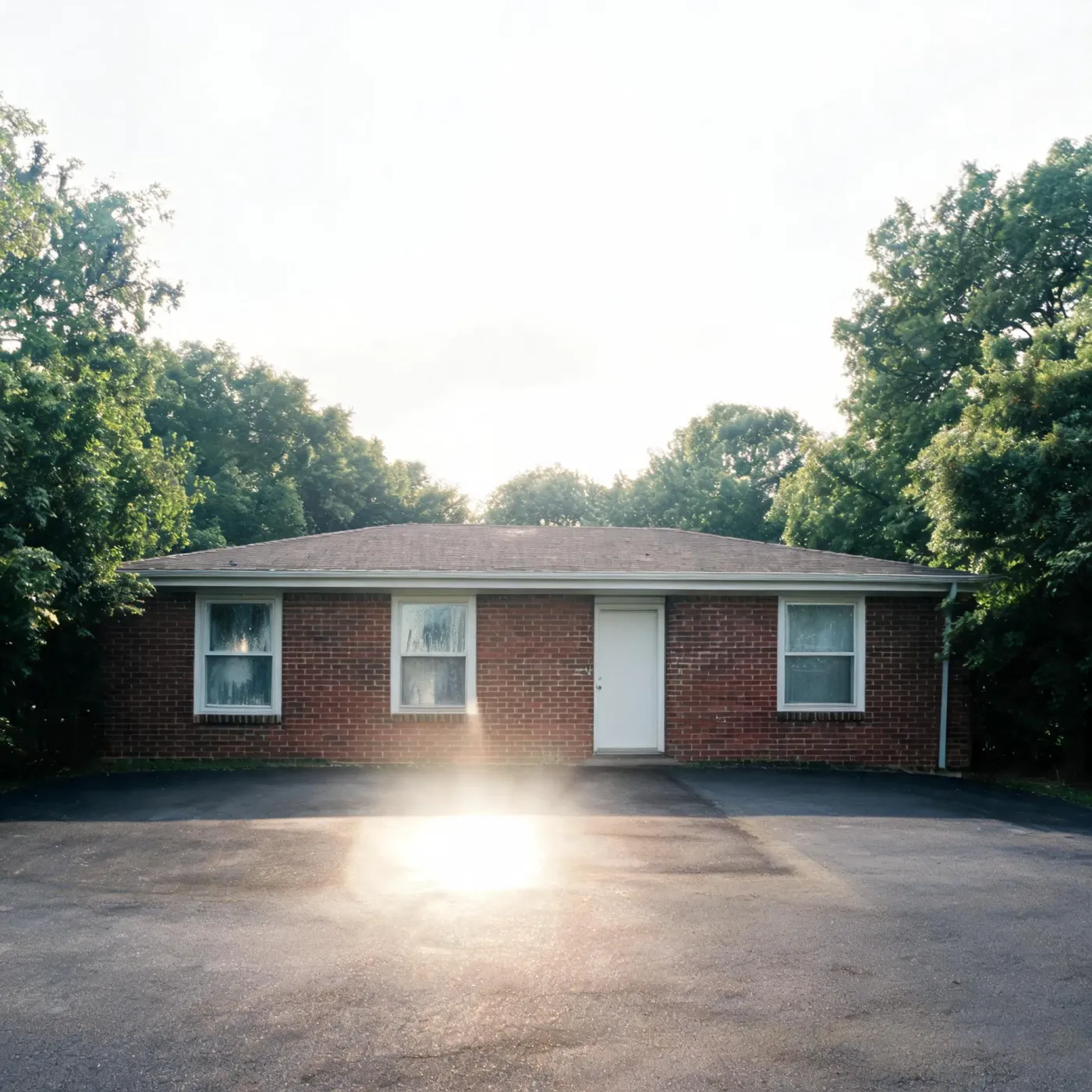
A single-story red brick house with a white door and three white-framed windows, fronted by an asphalt parking area with sun flare, surrounded by green deciduous trees under a bright hazy sky.

A summer dew point averaging 68°F, the figure NOAA keeps for Arkansas, means the air outside is heavy almost every day June through August. Your heat pump has to pull more moisture out of the air along with the heat, so the compressor runs longer stretches and works harder each time it cycles on. That extra strain is often what you're hearing. A hum that used to be background noise turns into something louder or rougher simply because the unit isn't getting a break between cycles the way it would on a drier day.

NASA POWER T2MDEW county cells weighted by homes

Call for Repair or Wait It Out

Call for repair now

  • A grinding or screeching noise from the outdoor unit usually means a bearing is failing, and it gets worse the longer the unit keeps running.
  • A loud bang when the compressor kicks on can mean a loose part inside the cabinet knocking against the housing with every cycle.
  • A noise that's new this week and getting louder day to day is a sign something is wearing down, not just working hard in the heat.
  • If the sound comes with the unit cooling less than it used to, the noise and the performance drop are probably the same problem.
  • A hissing sound near the refrigerant lines means gas may be escaping, and that's worth having looked at before the unit loses its charge entirely.

Keep an eye on it

  • A steady hum that gets a little louder on the hottest afternoons is the compressor working harder against the heat and humidity, not a sign of damage.
  • If the fan sounds the same as it did last July, running longer stretches most days this summer is normal for Arkansas heat.
  • A rattle that shows up only when wind blows debris against the cabinet usually clears once you pull the leaves or grass clippings away.
  • Noise that comes and goes with the outdoor temperature, louder at 3pm and quieter at night, tracks with how hard the unit has to work, not a failing part.
  • If the sound hasn't changed in weeks and the house still cools the way it should, there's no new problem to chase down.
An outdoor condenser unit on a concrete pad beside a horizontal-sided house, with insulated refrigerant lines running to a wall-mounted box, surrounded by bare dirt.
Before you get your heat pump repair
A gray outdoor condenser unit on a concrete pad beside a light-green sided house, surrounded by mulch, ornamental grasses and a shrub, with mowed lawn in the foreground.
After you get your heat pump repair

A heat pump that's grinding or banging through August doesn't just make the kitchen loud. It runs that way at two in the morning too, and anyone trying to sleep down the hall hears it. Leave a failing bearing alone and the compressor keeps working against it, pulling more power to do the same job while the noise gets worse, not better. If it finally quits on a 95 degree afternoon, you're not just down a noisy unit, you're down cooling altogether, and that's a different problem in an Arkansas summer than a loud hum you can live with for a week. The part that's struggling now is usually cheaper to fix than the one it takes down with it later. A rattle you can trace to a loose panel is nothing to lose sleep over. A grinding sound that's new this month, in a house that depends on this unit for every cool room in it, is worth having looked at before it decides the schedule for you.

Power costs 12.87 cents per kilowatt-hour statewide

At 12.87 cents per kilowatt-hour, a heat pump straining to keep up costs you more every hour it runs that way. A noisy compressor working harder than it should is pulling extra power the whole time, not just making extra noise.

EIA-861 2025 statewide residential average

What the noise tells you

  • A steady hum means the unit is just working through another muggy Arkansas day, nothing to fix.
  • A grinding, screeching, or banging sound means a part is failing and the noise will not go away on its own.
  • The longer a failing bearing or loose part runs, the harder the compressor works and the more power it pulls.
  • Checking the fins and clearing debris around the unit is something you can do yourself before calling anyone.
  • Matching with a contractor means you skip calling around and explaining the noise over and over to different companies.
  • Once you're matched, the contractor reaches out to you instead of you chasing down quotes to compare.

A hum that stays the same all day is just your heat pump keeping up with another muggy Arkansas summer. That sound alone doesn't mean anything is wrong. A grinding, screeching, or banging sound is different. It means a bearing or a part inside the cabinet has failed or is failing, and it stays broken until someone replaces it. Running it longer doesn't help. The compressor keeps pushing against whatever is wrong, pulling more power the whole time, and the noise only gets worse.

You can check the easy things yourself. Clear leaves and debris from around the unit, look at the fins, make sure nothing is blocking airflow. That much costs you nothing and might be all it is. But a grinding compressor or a loose part knocking inside the cabinet isn't something you fix by clearing brush. It needs a contractor who can open the unit and see what's actually failing.

That's where the work usually piles up on you. Normally you'd be the one calling around, telling one company about the noise, then telling the next one the same thing, then sitting with a stack of quotes trying to figure out who actually knows what they're doing. Getting matched skips that. You explain the noise once, and the contractor who reaches out already knows what you're dealing with before they call.

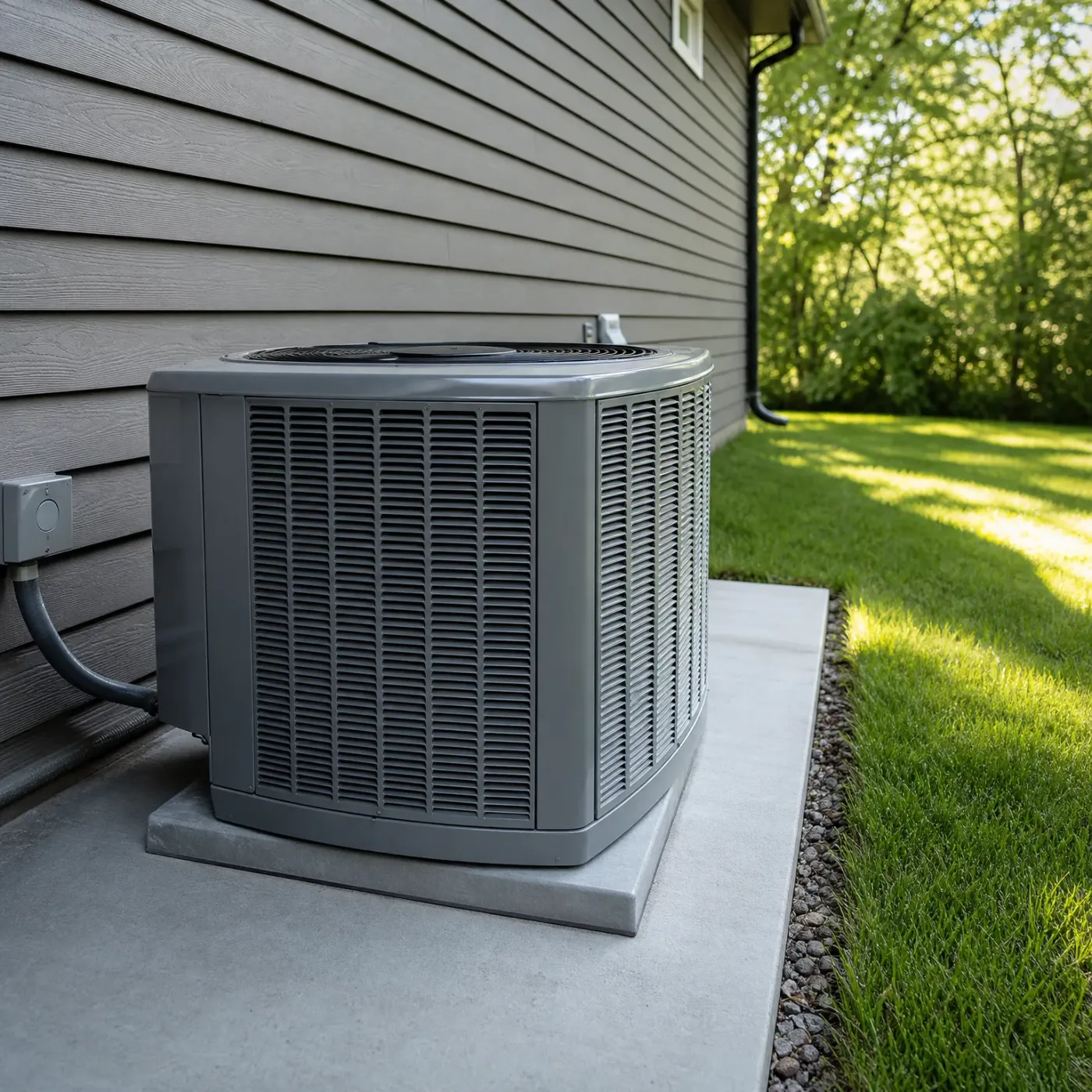
A gray outdoor air conditioner condenser unit on a concrete pad beside a house with horizontal lap siding, with an electrical disconnect box and conduit on the wall, a downspout, gravel edging and a green lawn with trees to the right.

A pro who works on heat pumps

Connect with a pro

Fill out one short form instead of calling around.

Sending the form costs nothing.