
What to do when the AC goes out in Arkansas

RepairCentral ACArkansas
Step 1 of 2

What ZIP code is the job in?

First, check the thermostat batteries and the breaker box. A tripped breaker or dead batteries can look exactly like a dead system, and it costs you nothing to rule those out. If the power is fine and the air still isn't moving, check the outdoor unit. A system that won't start at all often points to the capacitor or the compressor itself. A system that runs but blows warm points somewhere else, often a refrigerant leak or a frozen coil. In Arkansas summers, a frozen coil can go from a thin layer of frost to a solid block of ice in a few hours once the airflow is blocked, and running the system in that state stresses the compressor further. With the humidity here, a house without working AC gets uncomfortable fast, which is why most homeowners don't wait around once they've ruled out the simple fixes. A licensed contractor can tell you exactly what failed and what it takes to fix it.

A gray outdoor air conditioner condenser unit on a concrete pad beside a house with horizontal vinyl siding, surrounded by mulch, flowering shrubs, and lawn.

Running clean

This is what the outdoor unit should look like: clear on all sides, fins free of dirt, grass and mulch kept back a few inches. Air pulls through the coil and pushes out the top without working against anything. When it's clean like this, a breaker trip or dead thermostat batteries are the more likely explanation if the house stops cooling.


A weathered outdoor air conditioning condenser unit on a concrete pad beside a house with light horizontal siding, an electrical disconnect box and conduit on the wall, and mulched soil on either side.

Choked with grime

Caked dirt across the fins and cage blocks the airflow the unit depends on to shed heat. Arkansas summers push this system hard for months, and a coil this dirty makes it run longer to do less, or trip off on its own protection. If yours looks like this, it's worth having a contractor look at the coil and the wiring at the disconnect box.

Ride It Out or Call Now

Wait it out

  • A full diagnosis without a contractor on site risks missing the real cause, like a slow refrigerant leak that looks fine for a day then quits again.
  • Humidity in an Arkansas summer builds fast indoors once the system stops, and that moisture settles into furniture and walls the longer it sits.
  • A compressor that's struggling but still running can burn out completely if it keeps cycling under a bad capacitor or low charge.
  • Every day the system runs impaired instead of getting looked at is a day of higher electric use for less cooling, even with cheap power.
  • If anyone in the house is especially sensitive to heat, waiting even a day without a working system is a real risk, not just a discomfort.

Get it looked at now

  • A contractor can usually tell within minutes whether the problem is electrical, a refrigerant issue, or a failed part, instead of you guessing.
  • Catching a failing capacitor or a weak contactor early often means a smaller repair instead of a compressor replacement later.
  • Once someone is matched to your situation, you're not the one tracking down who's available or calling around.
  • A working system brings indoor humidity back down within hours, which matters more in Arkansas summers than the temperature alone.
  • Submitting the request is the last thing on your list; the follow-up and scheduling become someone else's job from there.
A woman with long wavy brown hair in a grey ribbed sweater sits on a couch indoors, looking toward a window, with a potted palm-like plant and fireplace behind her.
A woman with long brown hair wearing a green V-neck top and beige cardigan sits on a light sofa, looking off to the side, with a dining table, lamp and framed picture in the background.
A woman with long dark hair in a cream knit sweater sits on a beige sofa indoors, looking toward a bright window with a houseplant and framed picture in the background.
A woman with long dark hair in a green knit sweater sits on a couch indoors, smiling and looking toward a window with a blurred room behind her.

Why did my AC just stop working all of a sudden?

You walked past the thermostat and the house felt warm, or the air just stopped blowing with no warning at all. Nothing led up to it. No strange noise the day before, no slow decline. One minute it was running, the next it wasn't, and now you're standing there trying to figure out if this is a five-minute fix or something worse, especially with everyone counting on the house staying cool.

Most sudden stops trace back to a safety switch, not a major failure

Central air conditioners are built to shut themselves off rather than keep running into a problem. A clogged filter chokes airflow until the indoor coil ices over, and once that happens the system cuts out completely until the ice melts. A condensate pan that's filled up will trip a float switch and kill power to the whole unit on purpose, to keep water from backing up into your ceiling or walls. Outside, a breaker can trip from a capacitor that's starting to fail, cutting power before the compressor draws too hard. None of these mean the unit is worn out. They mean something tripped a safeguard, and a contractor can usually tell which one in a single visit.

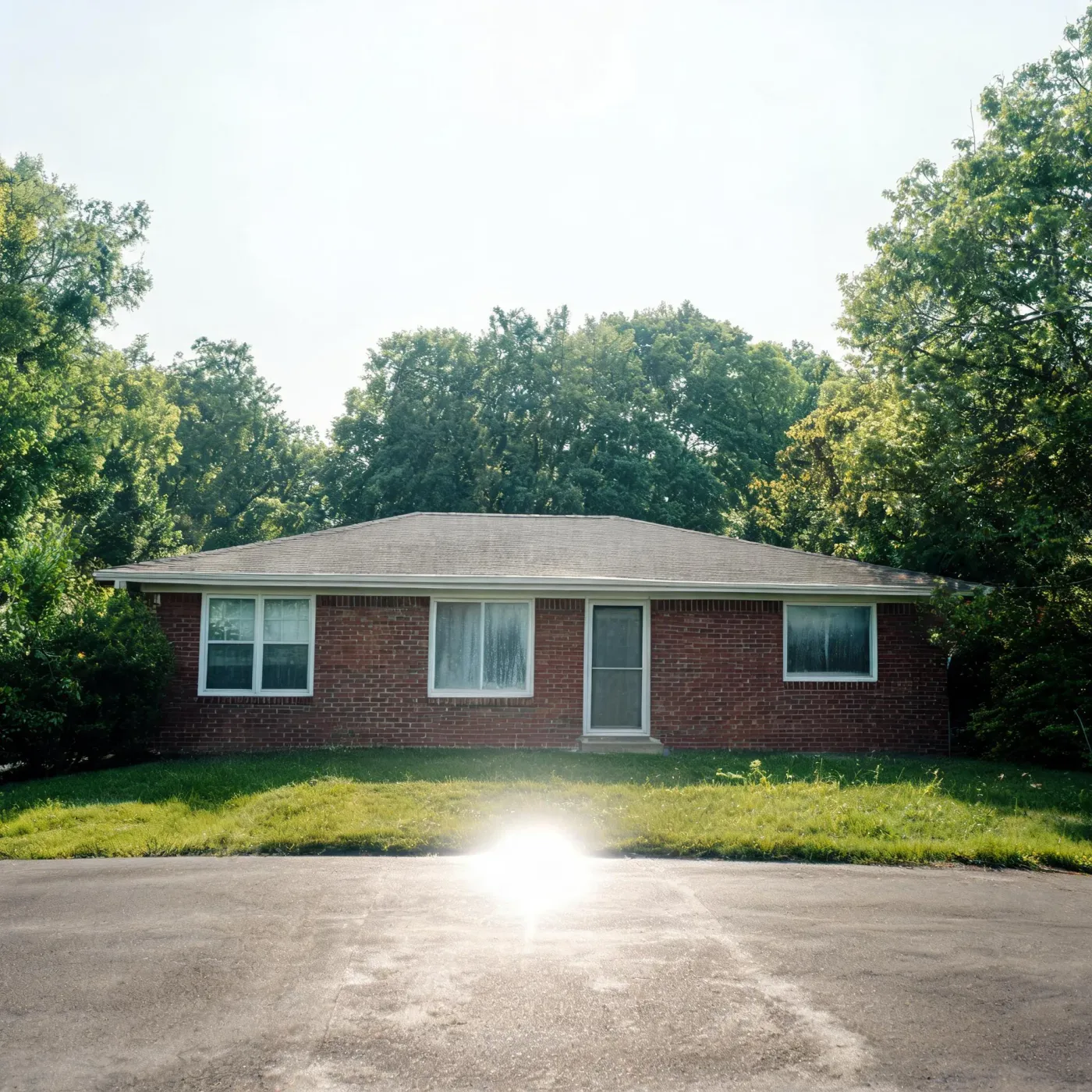
A single-story red brick house with a shingled hip roof, three windows and a central storm door, fronted by a mowed lawn and an asphalt driveway, with dense green trees behind it and sun flare in the foreground.

A summer dew point averaging 68°F across Arkansas, drawn from June, July and August readings, is the number that tells you how heavy the outdoor air really is. At that level, your AC isn't just cooling, it's wringing water out of the air nonstop to keep the house from feeling damp. When it quits in a stretch like this, moisture builds indoors fast, the house starts to feel clammy within the hour, and whatever shut the system down (a tripped part, a clogged line, a failed capacitor) is working against air that's already working against you. That's the kind of thing worth having someone look at directly rather than guess over the phone. Send the details once and a contractor who knows this kind of heat follows up, so you're not the one chasing down who's free today.

NASA POWER T2MDEW county cells weighted by homes

Get the right pro for your air conditioner

You've already checked the breaker and the batteries, and you've had a look at the outdoor unit. If none of that brought it back, the cause is inside the system now, a bad capacitor, a stuck contactor, a refrigerant leak, something that needs a gauge and a meter to find. Arkansas summers don't give a house much room to sit without cooling. The air gets heavy fast once the system quits, and a house holding that humidity for days starts to feel it in more than just the heat. Waiting on it or guessing at a fix only stretches that out. Hand this one off to a contractor who works on these systems and knows what a dead AC in this kind of heat usually means. You still have to live in the house while it's down. The sooner someone qualified is looking at it, the sooner that's off your plate.

What a Dead AC Means for Your House

  • An indoor temperature in the high 80s or 90s raises the risk for anyone elderly or very young still at home.
  • Humidity that builds indoors once the system stops can warp wood floors and trim within a day or two.
  • A refrigerator or window unit pulling extra load off the same panel can trip a breaker again if it's already strained.
  • Food in the fridge and freezer holds safely for hours, but a hot kitchen adds to the strain if the AC stays down.
  • Pets left in the house feel the heat faster than people do and can't tell you when it's too much.
  • A system that short cycles or struggles on and off before quitting often points to a part already failing, not a one time event.

Once the air stops moving, the house doesn't just feel warm, it starts changing in ways you can notice within hours. Indoor temperatures climb into the high 80s and 90s fast in an Arkansas summer, and that's hard on anyone elderly or very young still home with you. The humidity that comes in right behind the heat is its own problem. Wood floors and trim can start to warp within a day or two once that moisture has nowhere to go. If you're running a window unit or leaning harder on the refrigerator to make up for it, watch the breaker panel. A circuit that's already strained can trip again, and now you're troubleshooting two problems instead of one. The fridge and freezer themselves are fine for hours, food holds its temperature, but a hot kitchen adds to the overall load on a system that's already struggling. Pets feel it faster than people do, and they can't tell you when the heat's becoming too much for them, so they're worth checking on more than usual. And if the system didn't just quit outright, if it was cycling on and off or struggling before it gave out, that's usually not bad luck. That's a part that was already failing and finally let go. Worth keeping in mind once it's running again, because the same part can fail the same way twice.

An outdoor air conditioning condenser unit on a concrete pad beside a house with horizontal lap siding, with a conduit and electrical disconnect box on the wall at right.
Before you get your air conditioner repair
A gray outdoor air conditioner condenser unit on a concrete pad beside a house with horizontal lap siding, with a wall-mounted disconnect box and conduit to its right and shrubs to the left.
After you get your air conditioner repair

A capacitor going bad is why you sometimes hear a hum outside but nothing starts moving. The motor needs that stored charge to kick into motion, and without it, it just sits there straining. Dirt on the condenser coil works differently. It makes the compressor run hotter until an overload switch inside trips and shuts the whole unit down to protect itself. Low refrigerant causes its own chain reaction. Pressure drops, the evaporator coil ices over, and that ice blocks airflow even with the fan still spinning. A clogged drain line stops things on purpose. The float switch senses water backing up and cuts the system off before it reaches your ceiling or walls. A contactor can fail in either direction, sticking closed so the unit runs nonstop, or never closing so it never gets the signal to start at all. One thing you won't find inside: a belt. Almost every system built in the last few decades drives the compressor and blower directly, so that's one part you can rule out.

What's Actually Happening Inside

  • A failed capacitor is the most common reason a compressor or fan motor hums but won't start, since the motor needs that jolt of stored energy to get moving.
  • A dirty condenser coil forces the compressor to run hotter and longer, which trips its internal overload switch and shuts the whole unit down.
  • A refrigerant leak drops the suction pressure low enough that the evaporator coil ices over, and ice on the coil blocks airflow even though the fan still runs.
  • A clogged condensate drain line trips the float switch built to stop the system before water backs up into your ceiling or walls.
  • A failing contactor can stick closed or fail to close at all, so the outdoor unit either runs nonstop or never gets the signal to start.
  • A cracked or worn fan belt is rare on modern systems since most residential units drive the blower and compressor directly, without a belt to slip or break.
A gray outdoor air conditioning condenser unit on a concrete pad beside a house with horizontal siding and a stone veneer base, with a wall-mounted disconnect box and conduit, next to a shrub bed and a concrete patio.
A unit like this pulls air through clean and pushes it out the top without strain, so the system cycles the way it's supposed to.
An outdoor air conditioner condenser unit on a concrete pad beside a house with light gray vinyl siding, with a gray electrical disconnect box and conduit on the wall, gravel beds and dried plants nearby, and a concrete sidewalk in the foreground.
A unit like this is working against itself, debris choking the coil and age wearing on parts that were never serviced.

Power costs 12.87 cents per kilowatt-hour statewide

At 12.87 cents per kilowatt-hour, running your AC nonstop while it struggles isn't cheap insurance against the heat, it's just waste. A system fighting a dirty coil or low charge pulls more power for less cooling, so the bill climbs before the house even gets comfortable.

EIA-861 2025 statewide residential average

A gray-haired woman in a cream knit sweater stands in a dimly lit kitchen at night, looking to her right, with a round loaf of bread in the foreground and a dark window and potted plant behind her.
A woman and a sleeping child wrapped together in a cream knitted blanket on a couch, with a potted plant, framed photo and lit lamp in the background.
A woman in a cream sweater and jeans stands in the open doorway of a white stucco house, holding the dark door, while a man in a dark quilted jacket seen from behind walks toward the entry past potted plants.

A dead AC in an Arkansas summer isn't something to sit with

The checks are simple: batteries, breaker, the outdoor unit. If those don't bring it back, the problem is inside the system, and that's a job for someone with gauges and the training to read them. You've already done the part you can do on your own.

From here, the next step is getting matched with a contractor who knows this equipment and can look at what's actually wrong. Once that request is sent, you're not the one tracking down who's available or whether they do this kind of repair. That part is off your plate. You'll hear from them, and you can get back to the rest of your day while the house sits warm instead of chasing down a fix yourself.

A gray upholstered sofa with a matching cushion sits beside a potted plant and a wooden table holding a small green plant in a stone pot, near a curtained window.
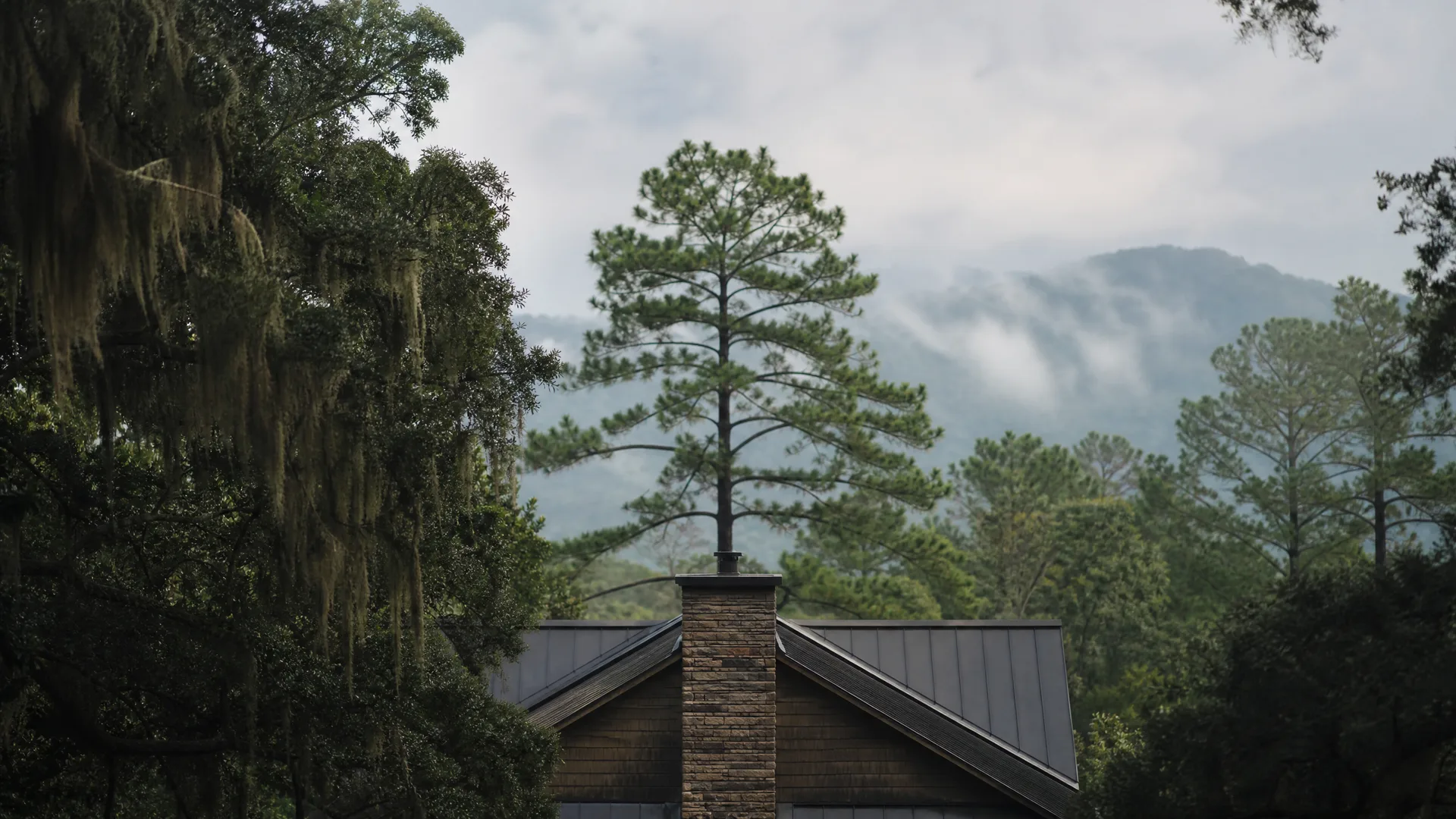
A house roofline with a stone chimney rises above trees, with a tall pine, Spanish-moss-draped oak branches, and misty hills in the background.

A pro who works on air conditioners

Get my match

No fee to send it, and nothing to sign.

You've already checked what you can from the thermostat to the outdoor unit. Sending the request now means someone else takes over figuring out the rest, while your house sits in the heat a little less long than it would if you kept troubleshooting alone.