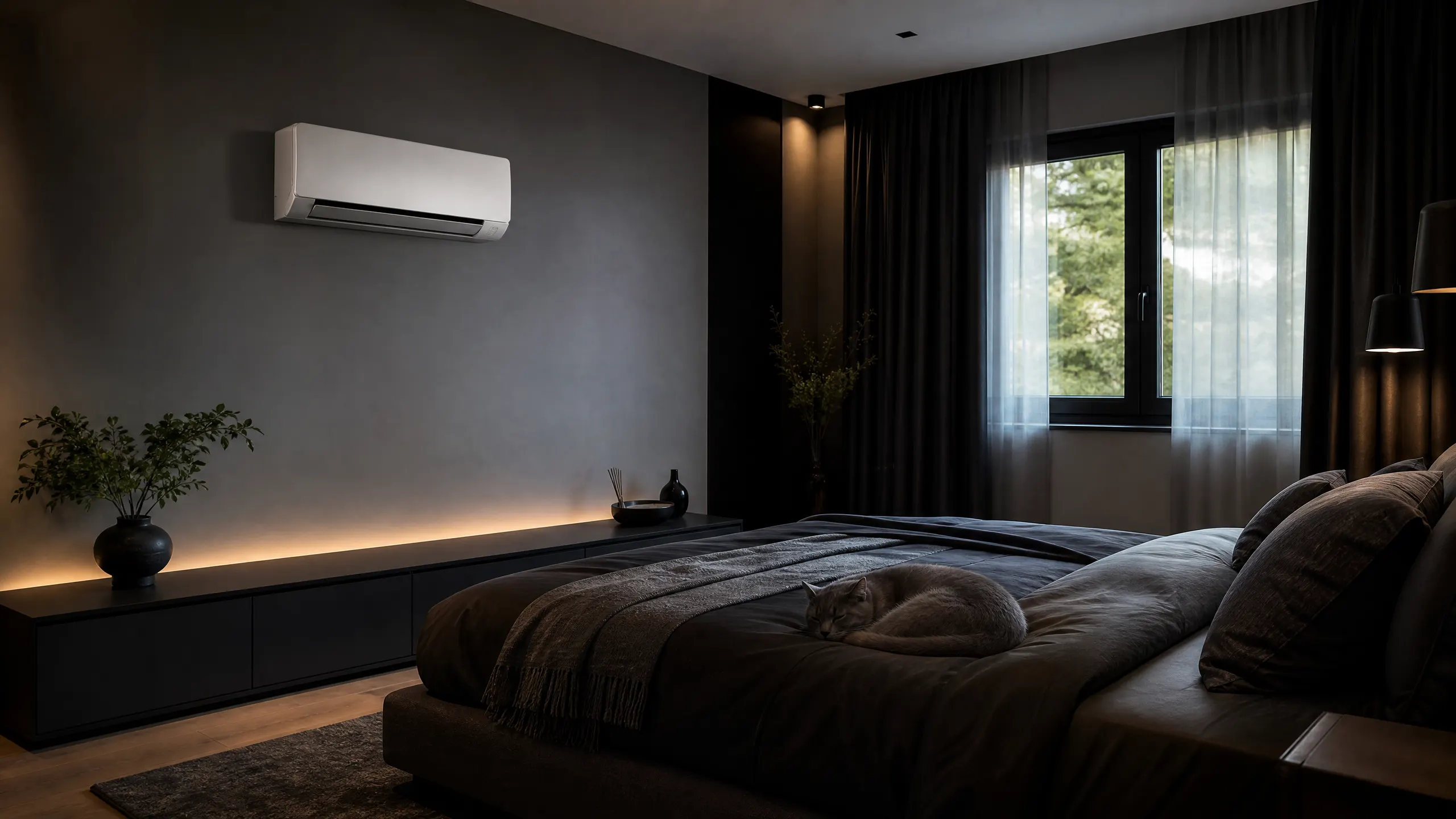
Mini Split Installation in Russellville, AR
A new system here will heat from October through April and cool from May through September every year. Tell us about the house, and a licensed contractor who covers Pope County will get in touch.
Tell us about the job
It takes about a minute.
What a mini-split in Russellville has to handle
Russellville needs heat or cooling every month of the year. Winter nights average 30°F from December through February, and summer afternoons run 89°F, so a new mini-split has to hold up on both ends without much of a break in between.
Most of the area heats with electricity, which puts real weight on a heat pump's low-temperature performance during those seven months of heating season. Any mini-split installed now, if manufactured from 2023 on, has to meet 14.3 SEER2 for cooling and 7.5 HSPF2 for heating under the federal split-system minimum. Pope County has also logged 80 damaging wind events over the past ten years, so the outdoor unit's mounting and the line set's protection are worth getting right at install.
- 7 months
- October through April, your system heats
- 5 months
- May through September, it cools
- 30°F
- the average winter night it heats against
- 89°F
- the average summer afternoon it cools against
NOAA nClimDiv, 1991–2020 normals
Arkansas requires HVAC contractors to hold a state license.
The license covers the contractor, not the mini-split install itself. Pope County can't add its own HVAC license on top of the state's, so whatever contractor you hire, the state license is the one that applies.
That license means the state tested this contractor and keeps a record of them. It doesn't mean an inspector checks this particular installation. In most cities and counties, a mini-split install needs a permit from the local building office and an inspection once the work is done. That's what confirms the job itself was done right.
Source: Arkansas Department of Labor and Licensing
- Is a mini split worth it?
- For the right room, yes. A mini split heats and cools one space directly, without ducts, so a room that's always too hot or too cold, like a garage, sunroom, or addition, gets its own comfort control. Russellville needs heat October through April and cooling May through September, so a unit that handles both jobs well gets used all year. A contractor can look at the room and tell you what size unit it needs.
- How many rooms can a mini split cover?
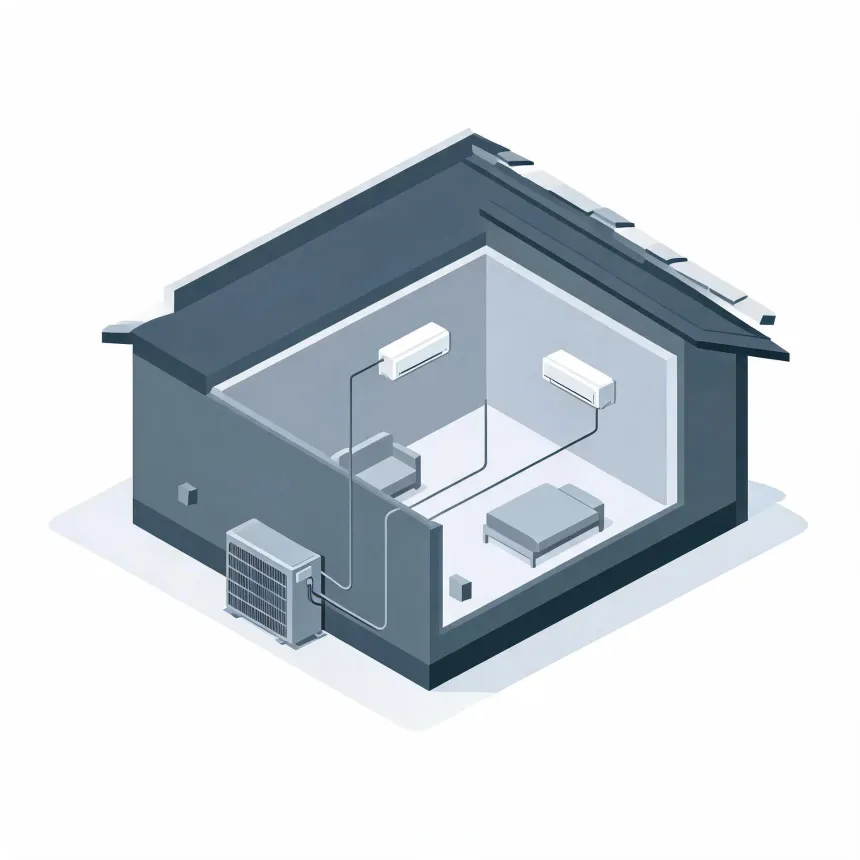
- One indoor unit covers one room or open area. If you need more rooms covered, a multi-zone system lets one outdoor unit run several indoor units, each with its own thermostat, so you can heat or cool only the rooms you're using. A contractor will look at your rooms and layout before saying how many zones make sense.
- Can a mini split heat a whole house?
- It can, but it takes the right number of zones placed where the house needs them, not just one unit in one room. A single indoor unit only heats the space it's in, so a whole house needs a multi-zone system sized for every room. Winter nights here average 30°F from December through February, so those zones have to be sized to keep up with that cold. A contractor can map out how many zones your house needs and where they go.