Is a clogged dryer vent really a fire risk in Little Rock?
You run a load of laundry most evenings and the dryer feels hotter than it should, or it's taking two cycles to dry a single load. Someone mentioned lint buildup can start a fire, and you want to know if that's really true or just something people say.
Yes. A clogged dryer vent is one of the most common causes of house fires.
Lint is dry, fine and sits right in the path of hot air every time the dryer runs. When the vent is blocked, that heat has nowhere to go, so it builds up inside the duct and around the drum instead of venting outside. Enough buildup and it only takes a spark from the heating element to catch. Summers in Pulaski County run long and muggy, so a dryer here works harder and longer through those months to get clothes dry, and that means more heat passing through the vent and more lint left behind. If you've noticed your dryer running hotter than usual, taking longer to finish a load, or the outside vent flap barely moving when it's on, those are signs the vent is restricted and the risk is real, not theoretical.




Clogged Vent vs. Clear Vent
Clogged vent
- Lint trapped in the vent line is fuel, and the heat from the dryer is the ignition source right next to it.
- A dryer running two cycles to dry one load is pushing hot air against a blockage instead of out through the vent hood.
- Airflow that can't escape builds heat inside the dryer cabinet, and that heat has nowhere to go but back toward the lint trap and drum.
- A vent packed with lint restricts the exhaust enough that the dryer's high-limit thermostat may cycle constantly trying to keep up.
- The longer the vent run, the more places lint can settle and the harder it is to see the blockage from either end.
- A bird or rodent nest in the exterior vent hood blocks airflow the same way a lint clog does, and it looks the same from inside the house.
Clear vent
- Air moves straight from the drum to the outside, so the dryer isn't working against trapped heat.
- A full load dries in one cycle because the hot, moist air is actually leaving the house instead of recirculating.
- The high-limit thermostat only has to respond to normal drying heat, not heat backed up behind a blockage.
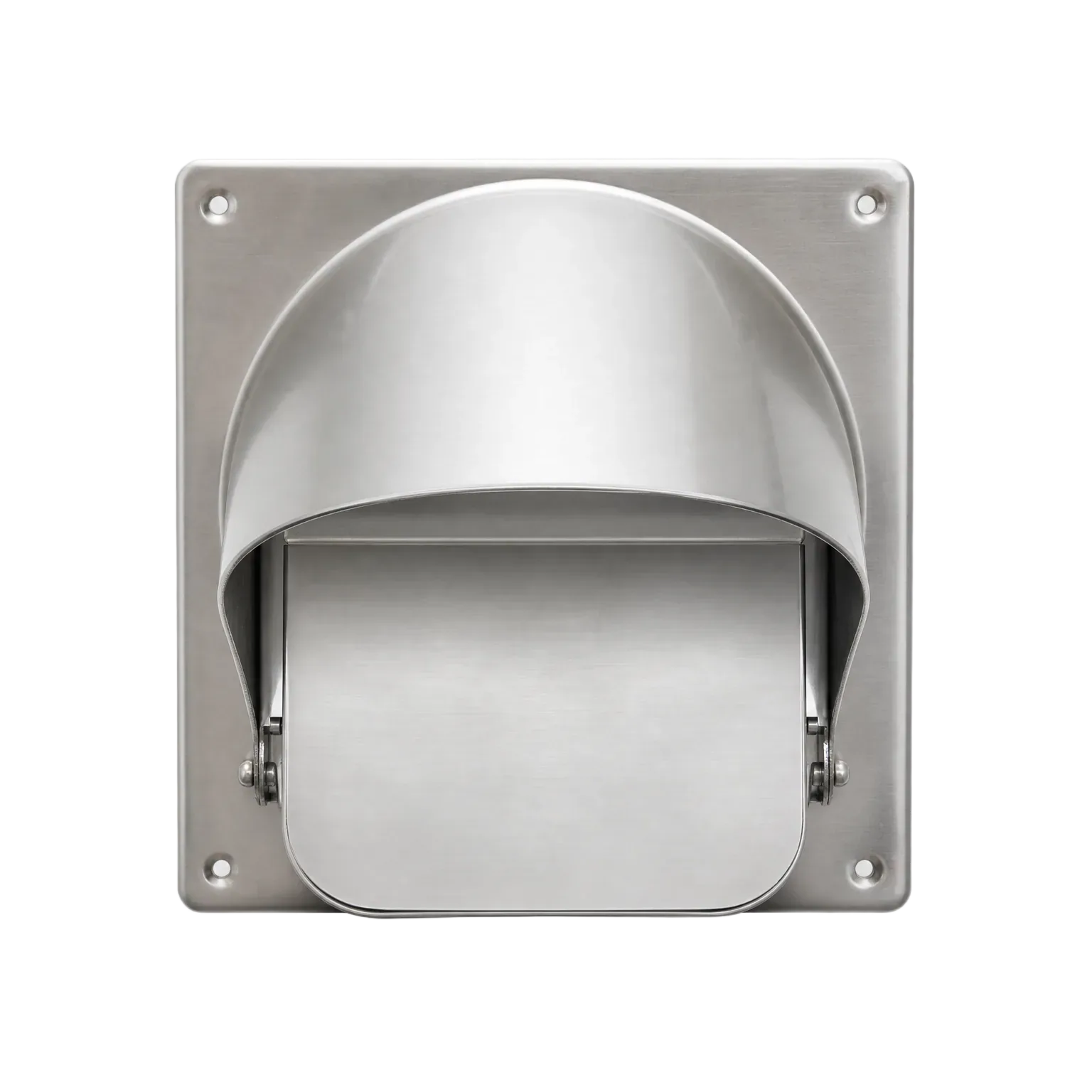
- The exterior vent hood flap opens freely and closes again after each load, which is easy to check from outside.
- Lint that does escape the trap gets carried outside with the exhaust instead of settling along the duct walls.
- A dryer that shuts off on time and feels normal to the touch is moving air the way it's supposed to.


A dryer pushes hot air through a duct to carry moisture and lint out through the hood. When the path is clogged, that same hot air has nowhere to go, so it sits inside the duct and keeps climbing. Lint collects fastest where the duct bends, usually behind a wall or up in the attic, not at the hood you can see outside. That's why the vent can look fine from the yard while the real blockage sits further back. Every dryer has a thermal fuse meant to cut power once the heat gets too high, but that fuse is only good for so many cycles before it stops resetting. Once it fails, there's nothing left to stop the heat from building. The duct material matters here too. Rigid metal holds up against that heat far better than flexible foil or plastic vent, which can soften or warp with lint packed against it. A gas dryer adds moisture to that trapped heat, which only makes the buildup worse over time.
How a clogged vent starts a fire
- Lint traps heat against the drum, so an overheating dryer in a clogged system can reach ignition temperature inside the duct itself.
- The thermal fuse is built to cut power when heat climbs too high, but it only has so many cycles in it before it fails to reset.
- Lint builds up fastest at the bends in the vent run, not at the hood outside, so the worst clog is usually hidden behind the wall.
- A dryer vent should let air move fast enough to carry lint straight out through the hood flap, which should swing open while it runs.
- Rigid metal duct resists heat better than flexible foil or plastic vent, and the material matters once lint is sitting inside it.
- The exhaust from a gas dryer carries both heat and moisture, and a blocked vent traps both back into the drum and the duct.


In your house that means the laundry room gets warmer than it used to during a cycle, and the air coming off the dryer smells faintly hot, almost scorched, even though nothing looks wrong. Check the vent hood outside while a load is running. If you feel only a weak puff of air instead of a strong, steady stream, lint is already sitting thick enough in the line to hold heat where it shouldn't be. That heat has nowhere to go but back into the duct and the drum, cycle after cycle, all evening, every load. A thermal fuse can stop one overheated cycle from turning into something worse, but it isn't rated to do that over and over. Each time it trips and gets reset or replaced, it's done it once more than the time before. The risk isn't a single dramatic failure. It's a load that runs a little hotter tonight than it did last week, building toward the night it finally doesn't cut off in time.


No calling every shop in Pulaski County
You can keep checking the vent hood yourself after every load, but that only tells you there's a problem, not how far the lint has packed into the line or whether the thermal fuse has already taken damage from past overheating. A dryer vent runs through the wall and sometimes a long stretch of ductwork before it reaches outside, and clearing it properly takes a brush system and someone who does this work on homes around Pulaski County all year, not a shop vac at the hood. Finding that person usually means searching, calling a few companies, explaining the same thing about the hot laundry room and the two-cycle loads each time, then sitting with quotes you can't really compare because you don't know what each one actually checked. This request goes to one local, licensed contractor instead, someone who sees this exact buildup every season and knows what a clogged line does to a dryer over time. That's one call to make, not five, while your dryer is still running hotter than it should.
What the lint is made of
Dryer lint is mostly cotton fiber, and cotton fiber burns fast once it reaches ignition temperature. A vent line packed with it isn't just blocked, it's lined with kindling for the length of the duct. Gas dryers add another factor: the exhaust carries a small amount of combustion byproduct along with the heat, and a blocked vent means that has nowhere to go but back toward the drum and the room. Electric dryers don't have that second part, but the heating element still runs hotter and longer trying to force air through a narrowing opening, which is the condition that burns through a thermal fuse before its time.
Why the duct length matters here
A short, straight vent run clears itself out more with every load than a long one with turns in it, because lint drops out of moving air at each bend instead of riding straight through to the hood. Homes around Pulaski County vary in how far the dryer sits from an outside wall, and a laundry room in the center of the house usually means more duct and more elbows between the drum and the outside. More bends means more places for lint to settle before it ever reaches the screen you can see and check from outside.
2.27 people per household on average
Most houses in the county are running two to three loads a day for a household this size, not one load every few days. More cycles means more lint moving through the line between cleanings, so a vent that seemed fine in spring can be packed tight by fall.
ACS 2020-2024

It's almost nine on a Tuesday and you're still in the laundry room because the last load won't dry. You've run it twice already. The towels are piled on top of the dryer, still damp enough that you can feel the cold through them when you move them off to check the lint trap again. The room is warmer than the rest of the house, warmer than it should be from one dryer running two cycles. Outside, the Little Rock air is thick with the kind of humidity that makes everything feel a little damp anyway, so you second-guess yourself. Maybe it's just the weather. You start the dryer a third time and go find something else to do while you wait.
How much lint is building up in your vent right now?
2.27 people per household on average
With 2.27 people in the average household here, that's enough laundry most evenings to push lint through the line faster than a one or two person home would.
Half the homes here were built by 1981
Half the homes in Pulaski County went up in 1981 or earlier, and the vent duct in a house that age has had decades to collect lint in runs or joints nobody's checked.
Power here costs 13.15 cents per kilowatt-hour
Electricity here runs 13.15 cents per kilowatt-hour, so a dryer working harder against a clogged vent is pulling that rate for longer than it should on every load.
ACS 2020-2024 · EIA-861 2025
Where That Leaves You
- A clogged dryer vent is a real fire risk, not a maybe, once lint packs tight enough to trap heat against the drum.
- The fix is mechanical: the line has to be cleared out so air moves through it the way it was built to.
- A contractor who works on vents across Pulaski County every week knows how a gas dryer's vent differs from an electric one and what usually causes the blockage.
- You get matched to one licensed local contractor, so you're not fielding calls from three or four companies after one request.
- The warm laundry room and the two-cycle loads are signs worth acting on before the thermal fuse takes more damage.
- Where you stand is simple: the risk is confirmed, and clearing it is a known job for someone who does this regularly.
A clogged dryer vent in your house is a fire risk, plain and simple, not a thing to watch and wonder about. Lint is fuel, the dryer is the heat source, and once airflow gets cut off enough, the two are sitting right next to each other inside that duct. You've seen the signs already: the laundry room running warmer than it should, loads taking two cycles instead of one, that faint scorched smell in the air off the dryer. None of that is normal wear. It's the vent telling you it's packed tighter than it was last season.
Clearing it is a mechanical job. Someone has to get into the line and pull the lint out the length of the duct, not just clean the trap or wipe down the hood outside. A contractor working on vents around Pulaski County through gas dryers and electric alike, week after week, knows where the blockage usually sits and what a gas unit's vent needs that an electric one doesn't. That's the difference between someone clearing what they can see and someone who knows where to look.
You get sent to one licensed local contractor for this, not a handful of companies calling you back at once to compare. That's one visit to arrange, one person to explain the problem to. The thermal fuse in your dryer has only so many times it can trip before it stops protecting the machine the way it's supposed to. Acting on what you're already seeing, before that happens, is the point where you stand right now.

One form, no calling around
A licensed pro who works in Pulaski County gets your request.