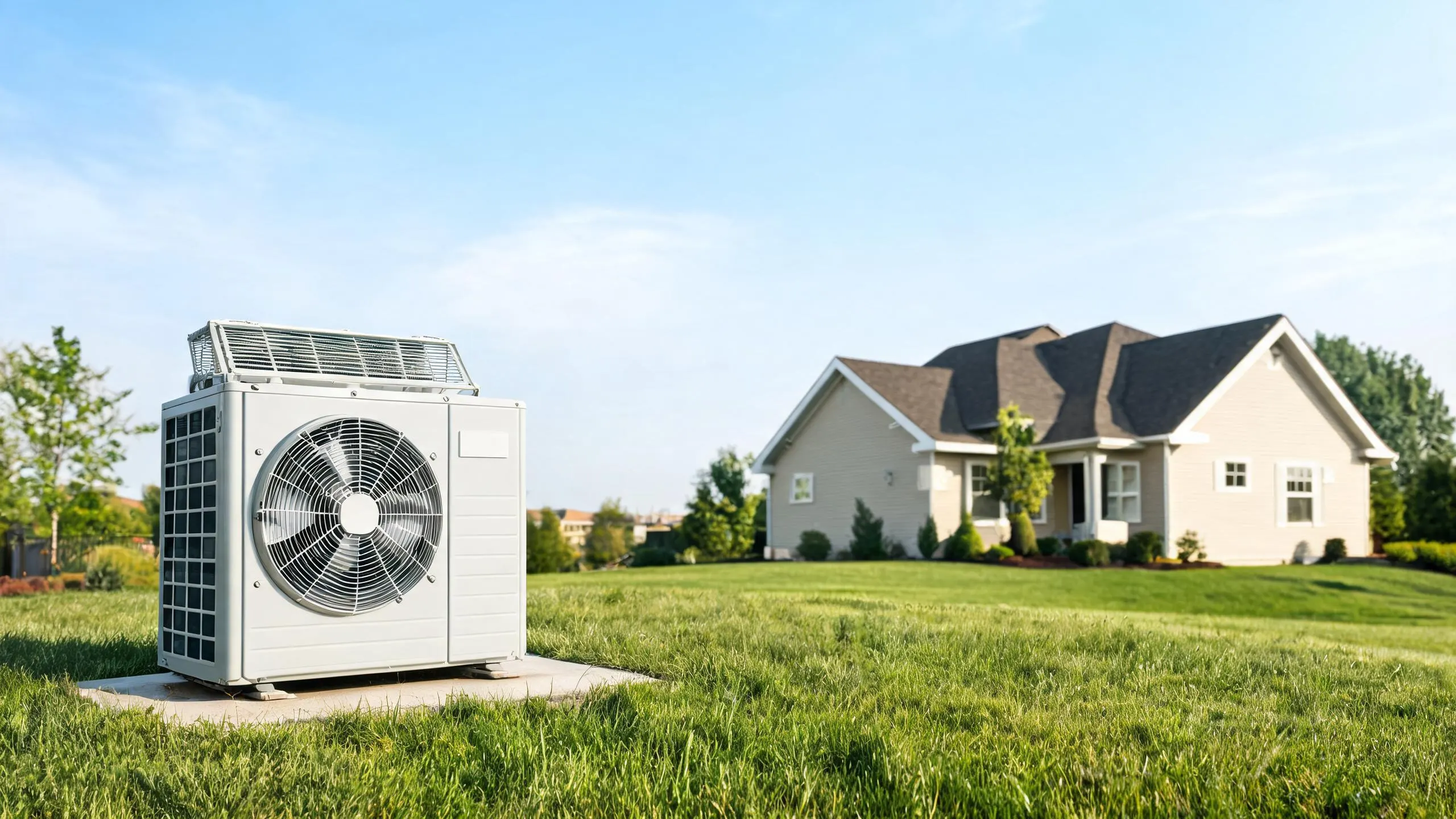
Heat Pump Repair in Texarkana, AR
Homes here need heat from November through March and cooling from May through September. If your system quits, tell us what it's doing and a licensed contractor who covers Miller County will get in touch.
Tell us about the job
It takes about a minute.
Ten months of work, most of it on the coldest nights
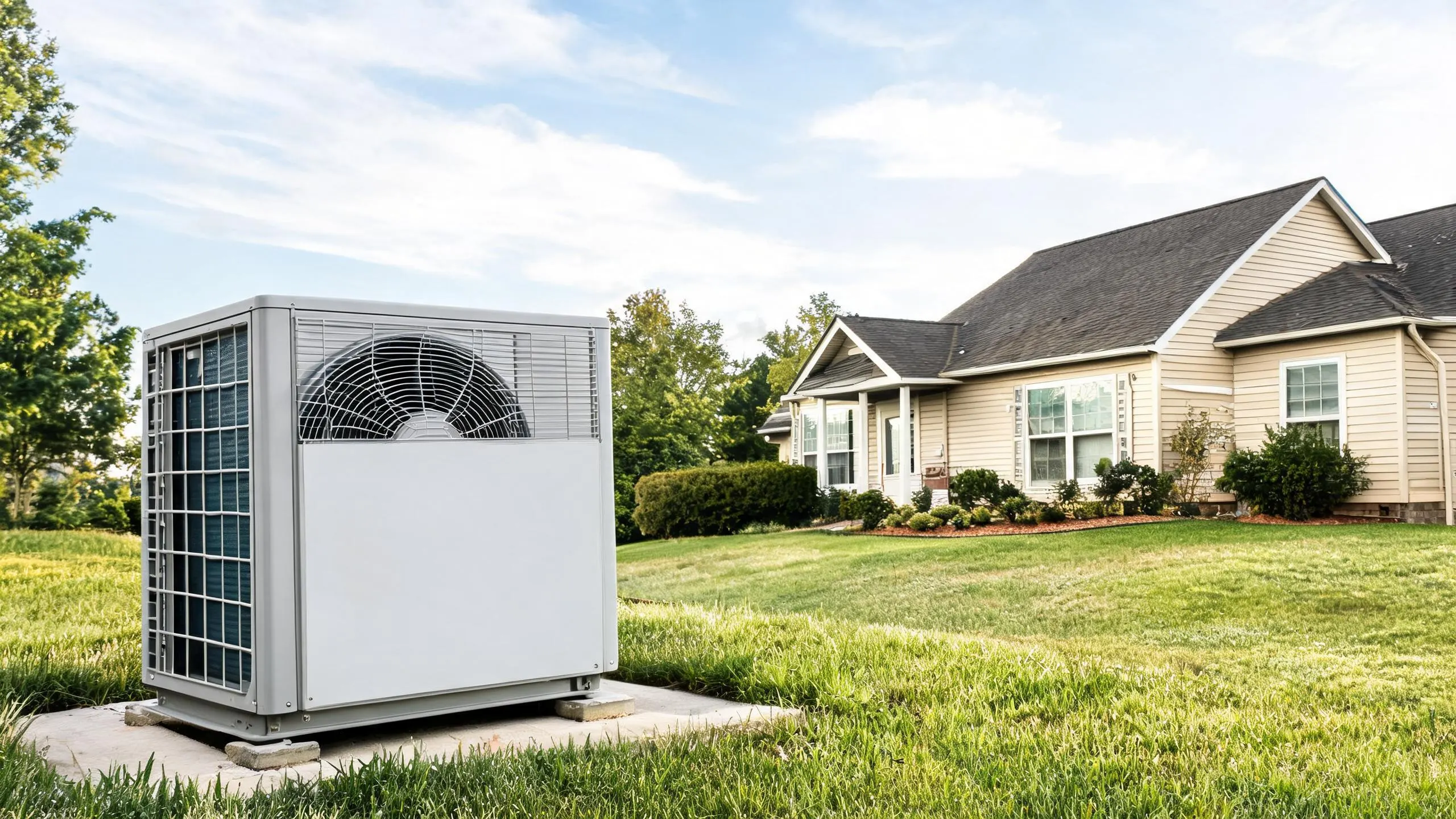
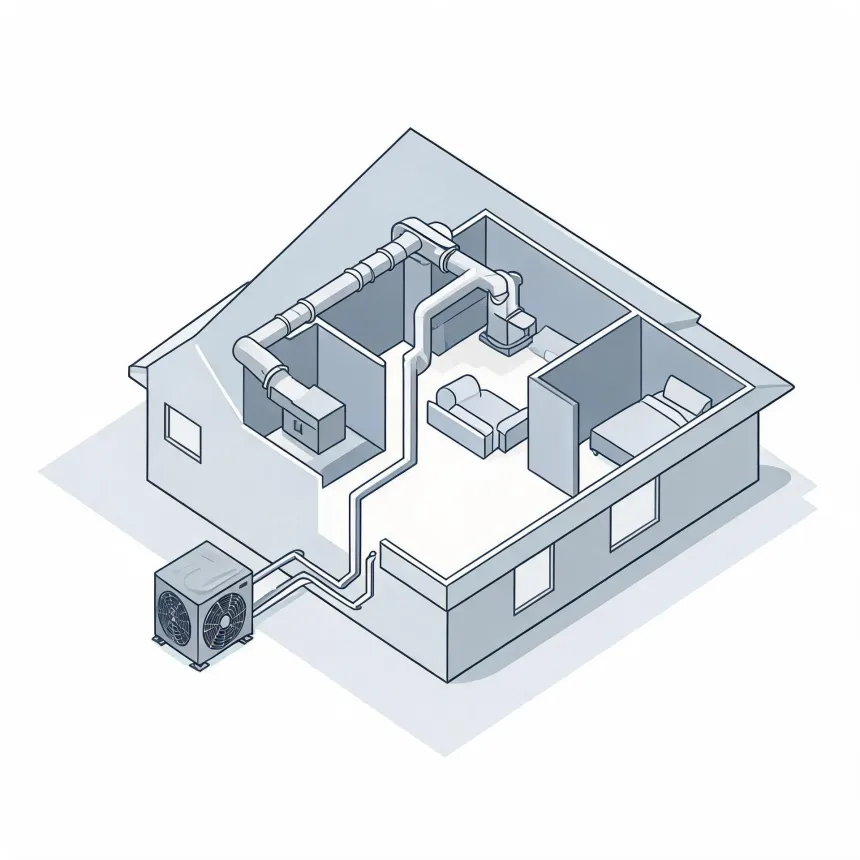
Your heat pump runs from November through March to keep the house warm, then switches over and runs May through September to cool it. That is ten months a year with barely a break, and Texarkana winter nights averaging 36°F push it hard right at the time it has to work in reverse. Pulling heat out of cold air takes more from the compressor and the reversing valve than most people expect from a heat pump, and those are the parts that wear first.
Most homes here heat with electricity, so when the unit struggles, there is no backup furnace quietly picking up the slack. Storms make this worse. Miller County has seen 57 damaging wind events and 6 winter storms over the past ten years, and in Arkansas last year nearly a quarter of households lost power for a day or more. A hard outage or a lightning strike can trip the system or damage the control board, and you find out the moment the house won't warm up or won't cool down.
- 5 months
- November through March, your system heats
- 5 months
- May through September, it cools
- 36°F
- the average winter night it heats against
- 92°F
- the average summer afternoon it cools against
NOAA nClimDiv, 1991–2020 normals
Arkansas requires HVAC contractors to hold a state license.
That license covers the contractor as a business, not the individual visit, and Arkansas does not let Miller County or any city add its own license on top. So the same license applies whether the work is happening here or anywhere else in the state.
A heat pump repair often means opening the refrigerant side of the system, and that part of the job is covered separately. Any technician who touches refrigerant, in Arkansas or any other state, has to hold EPA Section 608 certification. That is a federal requirement tied to the person doing the work, not the state license.
Source: Arkansas Department of Labor and Licensing
- Why is my heat pump blowing cold air?
- In heating mode, air from a heat pump comes out cooler than a furnace's, so what feels cold to your hand may be normal. Hold your hand near the vent for a few seconds. If it's warmer than the room air, the system is working, just at a lower temperature than you're used to. If the air is the same as the room or colder, the problem could be low refrigerant, a reversing valve stuck in the wrong position, or the outdoor unit iced over and unable to pull in heat. A contractor can check the refrigerant charge and the reversing valve to find out which it is.
- Why is there ice on my heat pump?
- A heat pump goes through short defrost cycles in cold weather, so a light frost that clears on its own is normal, especially on nights near 36°F. A thick layer of ice that doesn't melt off points to a problem, usually a defrost control that isn't cycling, a fan motor that's failed, or low refrigerant. Don't chip at the ice yourself. Have a contractor look at the defrost board and the fan before the coil takes damage.
- Why is my heat pump running but not cooling?
- If the outdoor unit is running but the house isn't cooling, check the air filter first. A clogged filter chokes off airflow across the indoor coil and can freeze it solid, which stops cooling even though the system sounds like it's working. If the filter is clean, low refrigerant from a leak is the next likely cause, especially with afternoons hitting 92°F and the system working harder than usual. A contractor will need to check the charge and pressures to confirm it.