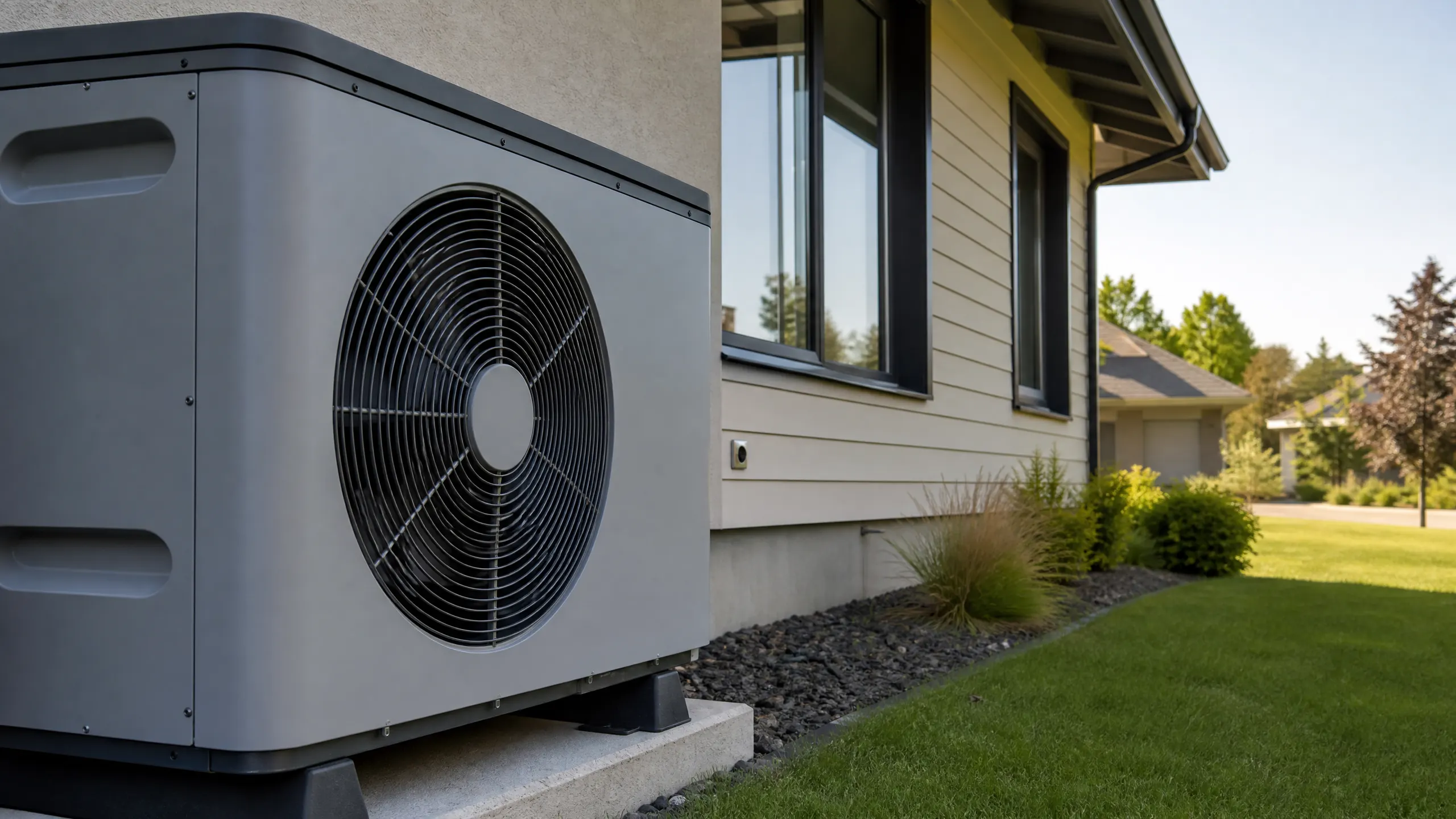
Heat Pump Installation in Texarkana, AR
A new system here will heat from November through March and cool from May through September every year. Tell us about the house, and a licensed contractor who covers Miller County will get in touch.
Tell us about the job
It takes about a minute.
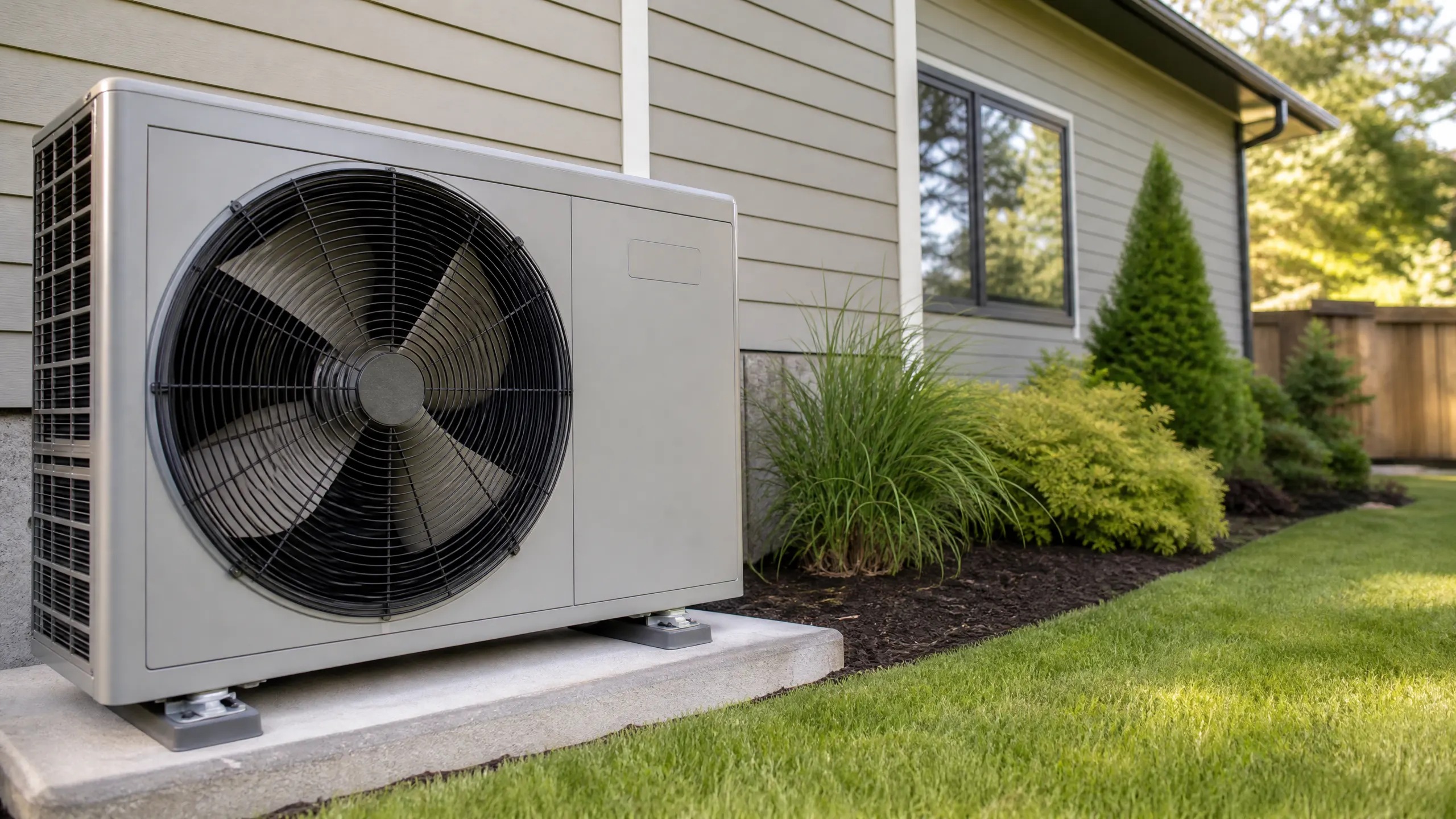
Ten months a year, one system carries the load in Texarkana
Winter lows here average 36°F, and summer afternoons run near 92°F. Neither is extreme, but a heat pump still carries the load most of the year, heating from November through March and cooling from May through September. That is 10 months of the year that one system is asked to work.
58.3 percent of homes here already heat with electricity. Any split-system heat pump installed new has to meet the federal minimum of 14.3 SEER2 for cooling and 7.5 HSPF2 for heating. That is the floor, not a special upgrade. Given how many months this area asks a heat pump to run, what it is rated to do matters.
- 5 months
- November through March, your system heats
- 5 months
- May through September, it cools
- 36°F
- the average winter night it heats against
- 92°F
- the average summer afternoon it cools against
NOAA nClimDiv, 1991–2020 normals
Arkansas requires HVAC contractors to hold a state license.
The license covers the contractor as a business, not this one installation, and because it comes from the state, Miller County cannot add its own license requirement on top of it. A contractor licensed in Arkansas can do this work anywhere in the state.
What covers this particular installation is the permit and inspection most cities and counties require for a heat pump. In most places, putting one in means pulling a permit from the local building office and having the work inspected once it is done. That inspection is what confirms the heat pump was installed correctly, separate from what the state license already says about the contractor doing the work.
Source: Arkansas Department of Labor and Licensing
- Is a heat pump better than a furnace?
- It depends on what you're comparing it to. A furnace only heats. A heat pump heats in winter and cools in summer, using one system instead of two. Texarkana needs heat November through March and cooling May through September, so that year round coverage matters here. A heat pump also works by moving heat rather than burning fuel to create it, which is a different way of running than a gas furnace.
- What's the difference between a heat pump and an air conditioner?
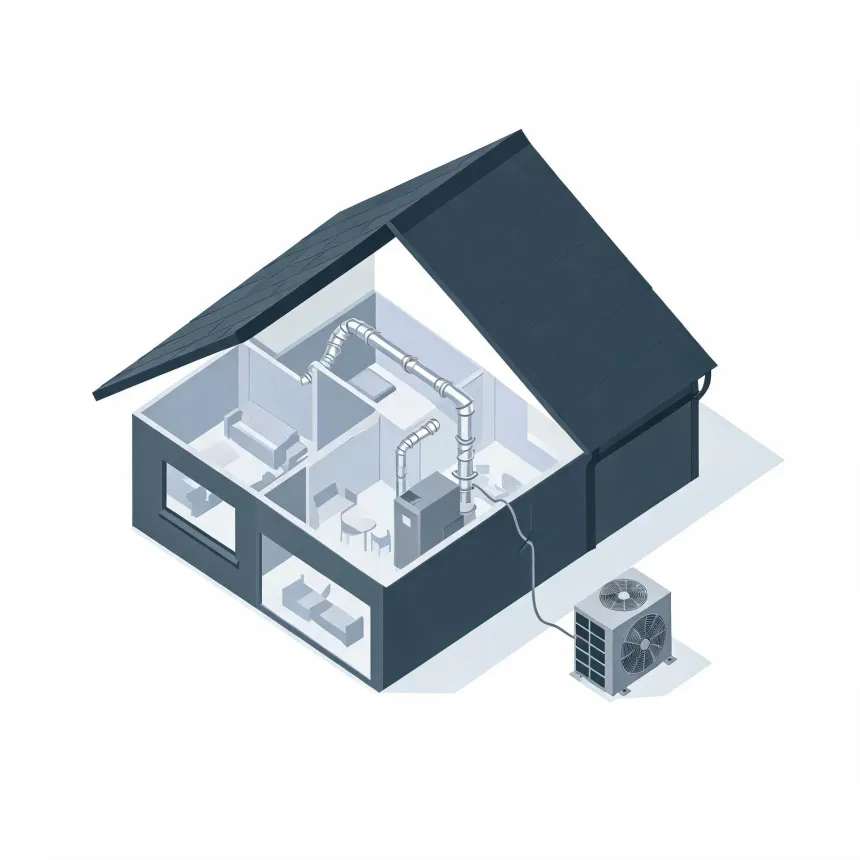
- An air conditioner only cools. A heat pump cools the same way an air conditioner does, but it can also run in reverse to heat your home. Inside, the two look almost identical, with the same compressor and refrigerant cycle. The difference is a reversing valve, which lets a heat pump pull heat from outside air and bring it indoors during winter, something a straight air conditioner has no way to do.
- Does a heat pump work in cold weather?
- Yes. A heat pump pulls heat from outside air even when it's cold, down to well below freezing. Texarkana winter nights average 36°F, which is well within the range a heat pump handles without trouble. As outdoor temperatures drop further, a heat pump has to work harder to pull the same amount of heat, so some homes pair one with a backup heat source for the coldest nights. A contractor can size the system and any backup for your specific house.