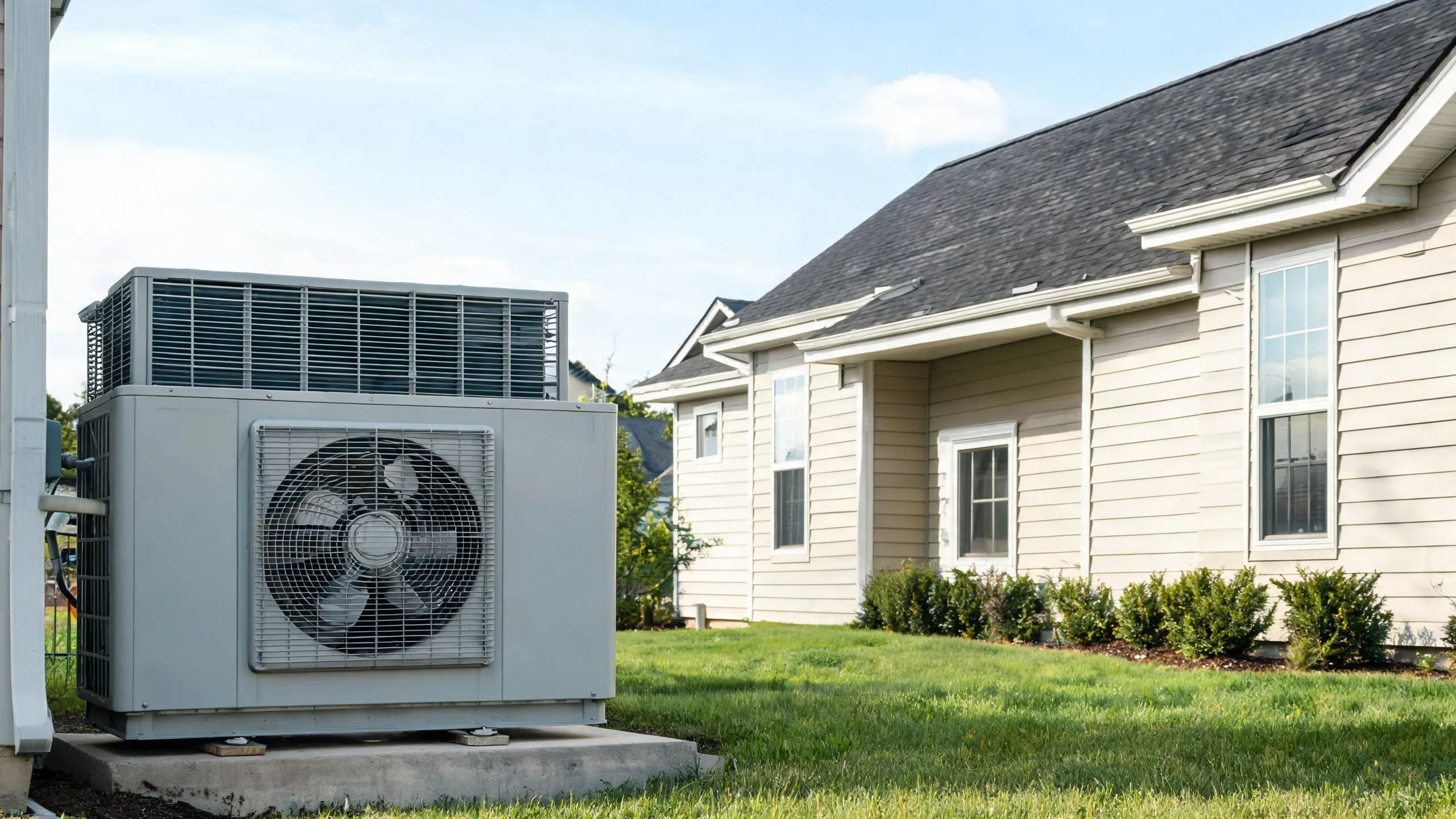
Heat Pump Repair in El Dorado, AR
Homes here need heat from November through March and cooling from May through September. If your system quits, tell us what it's doing and a licensed contractor who covers Union County will get in touch.
Tell us about the job
It takes about a minute.
Ten months of work a year, with El Dorado's storms on top
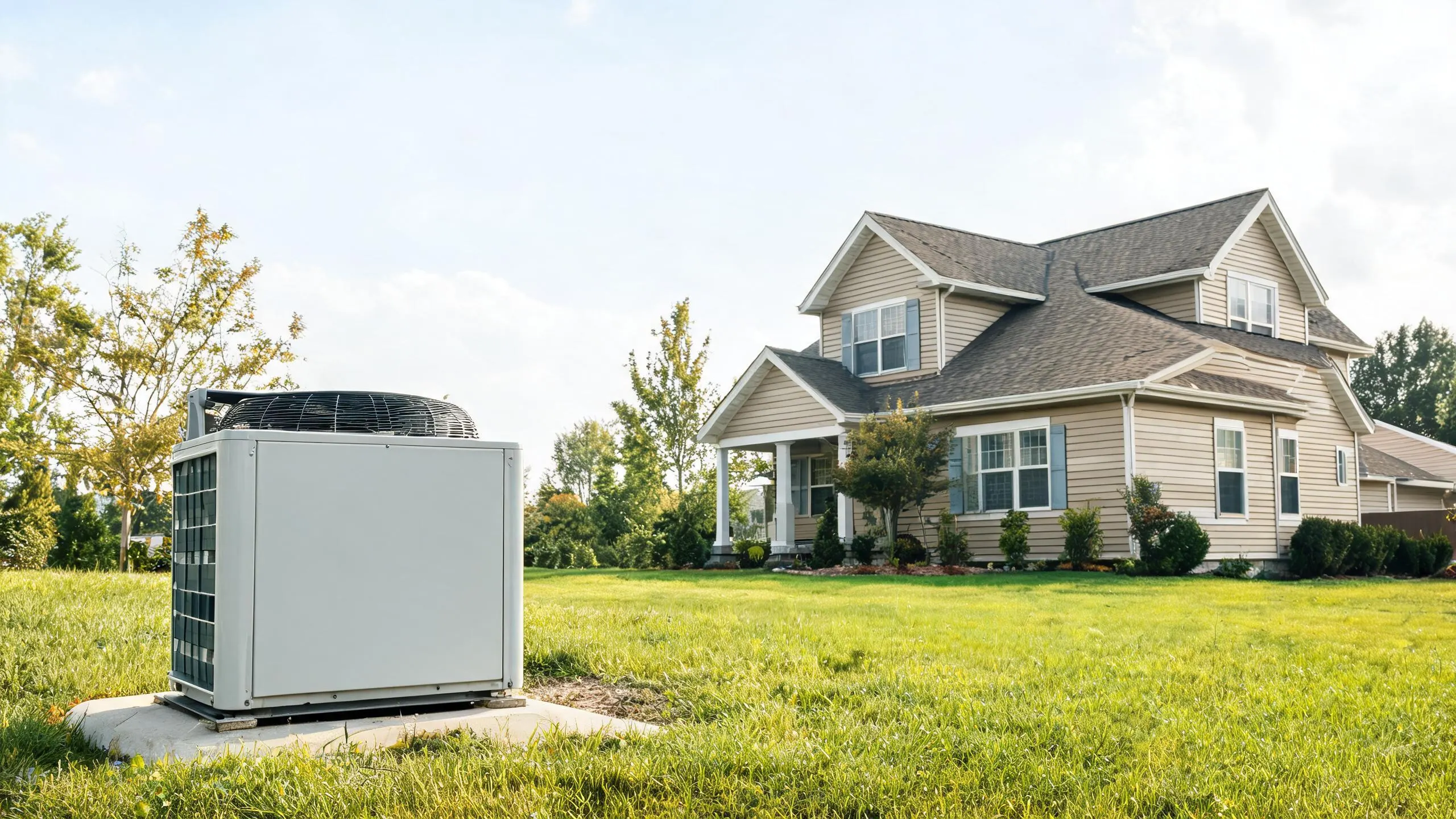
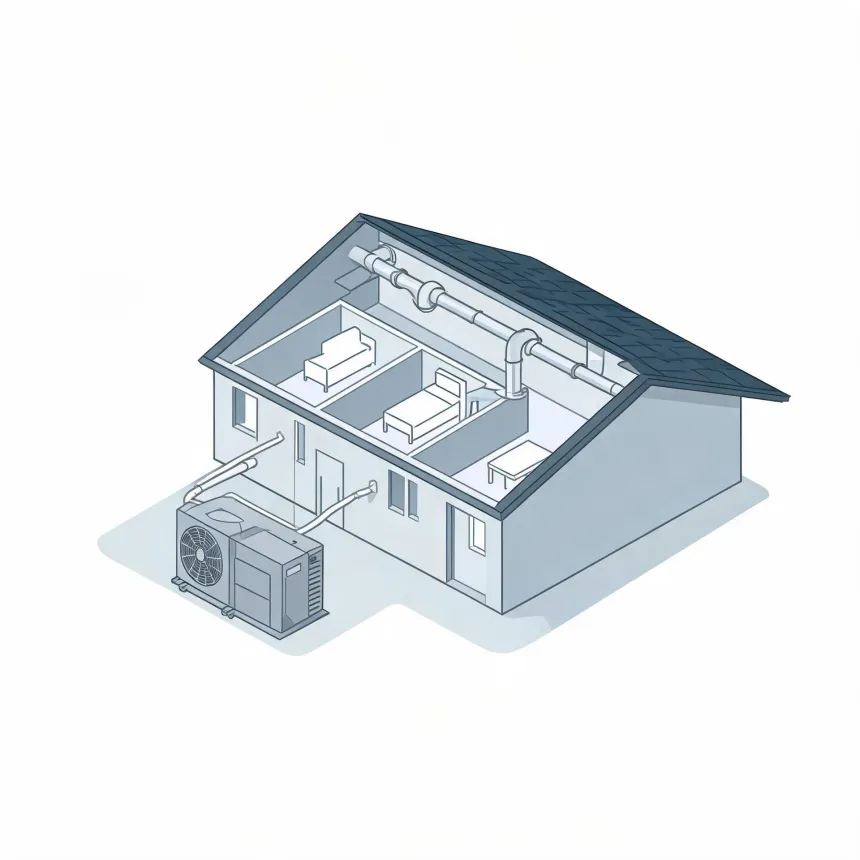
Your heat pump runs from November through March to keep the house warm, then switches over and runs May through September to keep it cool. That is ten months a year with barely a break, and on winter nights near 35°F it has to work hard just to keep up. More than half the homes in this area heat with electricity, so when the heat pump struggles, there is no furnace to pick up the slack.
Union County also sees its share of rough weather. Ten years of records show 56 damaging wind events and 8 winter storms come through, and storms like that mean debris hitting the outdoor unit, bent fins, and power that cuts out and comes back on wrong. Arkansas households lost power for a full day or more in nearly a quarter of homes last year alone. If your heat pump won't start after an outage, or it's blowing air that isn't warm enough on a cold night, that is what it's up against.
- 5 months
- November through March, your system heats
- 5 months
- May through September, it cools
- 35°F
- the average winter night it heats against
- 92°F
- the average summer afternoon it cools against
NOAA nClimDiv, 1991–2020 normals
Arkansas requires HVAC contractors to hold a state license.
The state license is tied to the contractor, not to this one job. Arkansas tests and records the contractor once. That record stands behind every job they take on, not a separate check for your heat pump. Cities and counties in Arkansas cannot add their own license on top of it. The state's license is the one that applies here, no matter your address in Union County.
A heat pump repair usually means opening the refrigerant side of the system. Whoever does that work needs an EPA Section 608 certification. That rule applies no matter what state you're in. So on this job you have both things at once. The state license stands behind the contractor. The federal certification stands behind whoever handles the refrigerant itself.
Source: Arkansas Department of Labor and Licensing
- Why is my heat pump blowing cold air?
- In heat mode, a heat pump moves warmth from the outside air, so the air out of the vents feels cooler than a furnace would give you, even when it is working right. If it stays cold to the touch and the house isn't warming up, the system may have switched into defrost or lost its charge of refrigerant. Check the outdoor unit for a solid buildup of frost or ice. If the air never warms up at all, that points to a problem a contractor needs to look at.
- Why is there ice on my heat pump?
- A heat pump frosts over on its own in winter, and it runs a defrost cycle to melt that off every so often. A thin coat of frost that clears within an hour or so is normal on a cold night. Ice that stays thick, covers the whole coil, or builds up when it's not that cold outside means airflow is blocked or the defrost cycle isn't kicking in, and that needs a contractor to sort out.
- Why is my heat pump running but not cooling?
- If the outdoor unit is running but the house isn't cooling down, start with the filter. A clogged filter cuts off airflow and can keep the coil from doing its job. Check that nothing is blocking the outdoor unit too, since it needs open air around it to work. If the filter is clean and airflow is clear and the house still isn't cooling, the system likely has a refrigerant or component problem that needs a licensed contractor to diagnose.