
Furnace Installation in Berryville, AR
A new furnace here will run from October through April every year. Tell us about the house, and a licensed contractor who covers Carroll County will get in touch.
Tell us about the job
It takes about a minute.
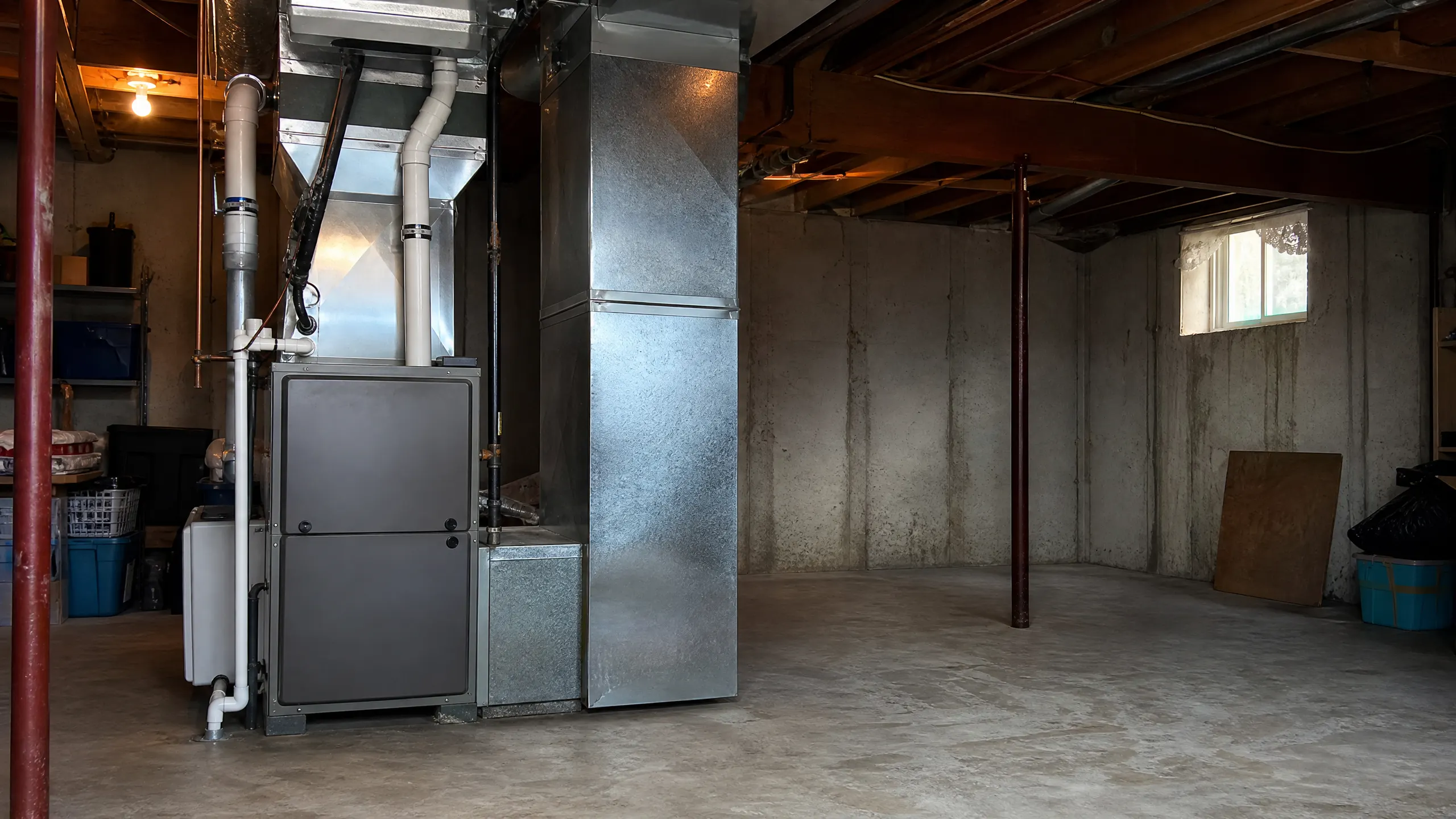
Seven months of heat, and nights that stay near freezing
Berryville needs a working furnace from October through April. That's seven months out of the year. Winter nights average 28°F through December through February. A furnace here isn't backup equipment for a few cold snaps. It's running most of the year.
Over half of homes in Arkansas heat with electricity, and storms take that electricity out. The state saw ten winter storms and thirty five damaging wind events over the last ten years. In 2024, nearly a quarter of Arkansas households went at least a day without power. Whatever runs the new furnace, it's worth knowing how it holds up when the lines go down. If it's a gas furnace built new, federal rules already set the floor. Non-weatherized gas furnaces made after November 2015 have to reach at least 80 percent AFUE.
- 7 months
- October through April, your furnace is on duty
- 28°F
- the average winter night it heats against
- 80% AFUE
- the federal minimum any new unit must meet
NOAA nClimDiv, 1991–2020 normals
Arkansas requires HVAC contractors to hold a state license.
Arkansas issues this license to the contractor, not to the job. It is the same license whether the crew is installing a furnace or a water heater, and it means the state tested this contractor and keeps them on record. Carroll County has no separate license of its own to check. State law does not allow it, so the license behind your installer is the same one that would stand behind them anywhere else in Arkansas.
For this job, that license is what tells you the contractor was tested and is accountable to the state. In most cities and counties, a furnace installation also needs a permit from the local building office and an inspection once the work is done. That permit and inspection check this specific installation, the connections and the venting, which the license itself does not cover.
Source: Arkansas Department of Labor and Licensing
- What size furnace does my house need?
- The right size depends on your square footage, your insulation, your windows, and your home's layout, so there's no single number that fits every house here. A contractor sizes it with a load calculation that looks at all of that together. Going too big is as much a problem as going too small. An oversized furnace short cycles, wearing out parts faster and leaving rooms unevenly heated. With winter lows here averaging 28°F, getting the size right matters for keeping the whole house warm through those cold nights.
- How do I know it's time to replace my furnace?
- Watch for repairs that keep coming back, a furnace that struggles to keep up, or one that's getting old. Homes here need heat from October through April, seven months of the year, so a furnace that's slipping puts a long stretch of the year at risk. If your gas bills are climbing while the house feels less warm, that's often the heat exchanger or burners losing efficiency with age. A licensed contractor can look at the furnace and tell you whether another repair makes sense or whether you're past that point.
- Is a high-efficiency furnace worth it?
- It depends on how much you use your furnace and what you're paying to run the one you have now. With seven months of heating season here and winter nights averaging 28°F, a furnace runs a lot, so efficiency gains add up over a full season more than they would somewhere milder. Every non-weatherized gas furnace made since November 2015 has to hit at least 80 percent AFUE, and high-efficiency models go higher than that, so less fuel goes out the flue unused. A contractor can walk you through the options and price out what fits your house.