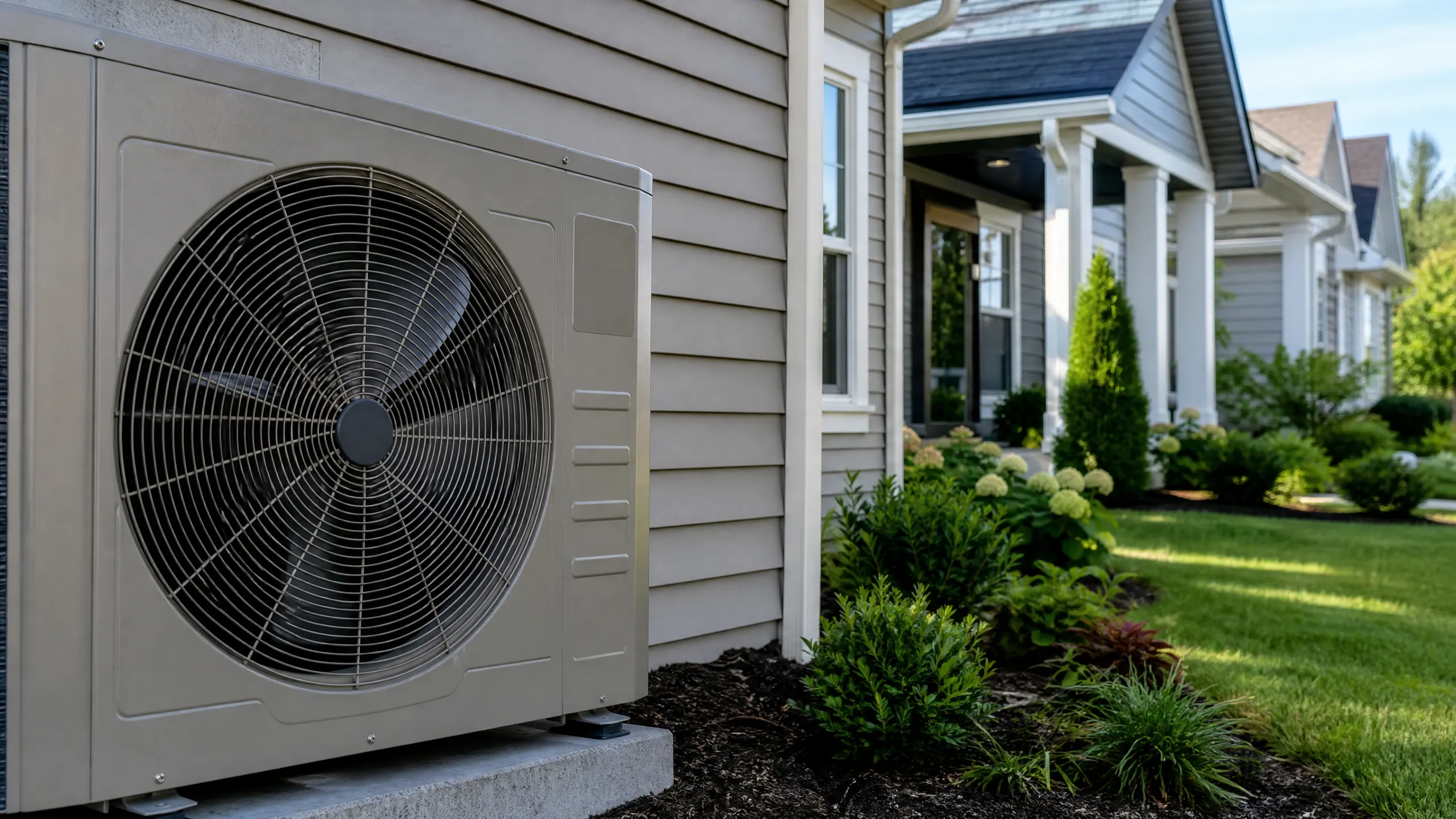
Heat Pump Installation in Hot Springs, AR
A new system here will heat from November through April and cool from May through September every year. Tell us about the house, and a licensed contractor who covers Garland County will get in touch.
Tell us about the job
It takes about a minute.
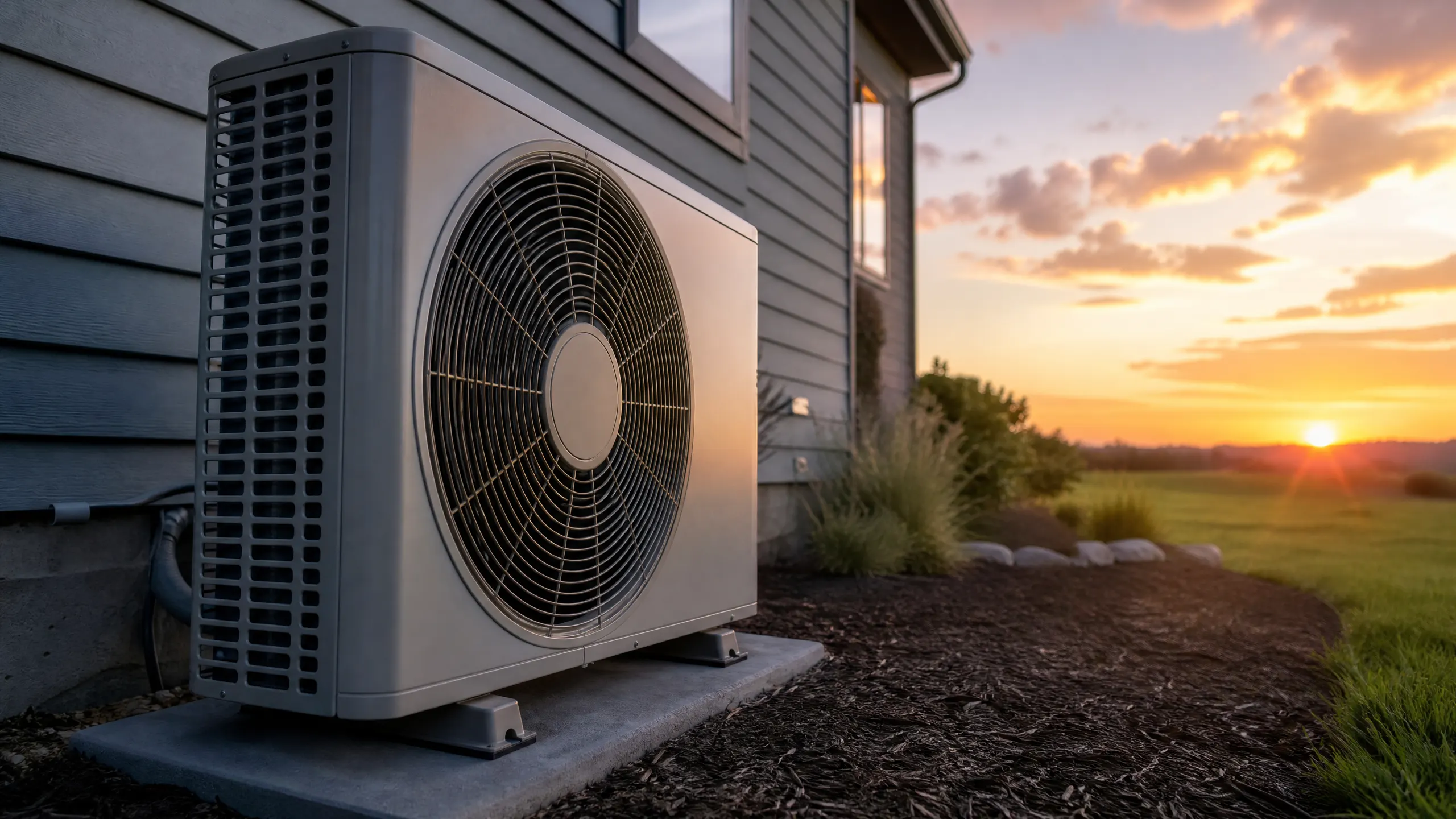
Eleven months of work a year, in both directions
A heat pump in Hot Springs earns its keep. Winter nights average 33°F from December through February, mild enough that the heat pump can carry the load without much strain. Summer afternoons average 90°F, and that same unit has to reverse itself and pull heat back out of the house. Between the two seasons, homes here need heat or cooling eleven months of the year. There is almost no rest for the system, so a unit sized and installed right for this climate matters more here than somewhere that only asks for a few months of work.
Any new split-system heat pump has to meet federal minimums of 14.3 SEER2 for cooling and 7.5 HSPF2 for heating. With almost two thirds of homes here heating with electricity, and Arkansas households seeing real power outages, a heat pump that starts up reliably and holds its efficiency through both a humid summer and a cold snap is worth getting installed right the first time.
- 6 months
- November through April, your system heats
- 5 months
- May through September, it cools
- 33°F
- the average winter night it heats against
- 90°F
- the average summer afternoon it cools against
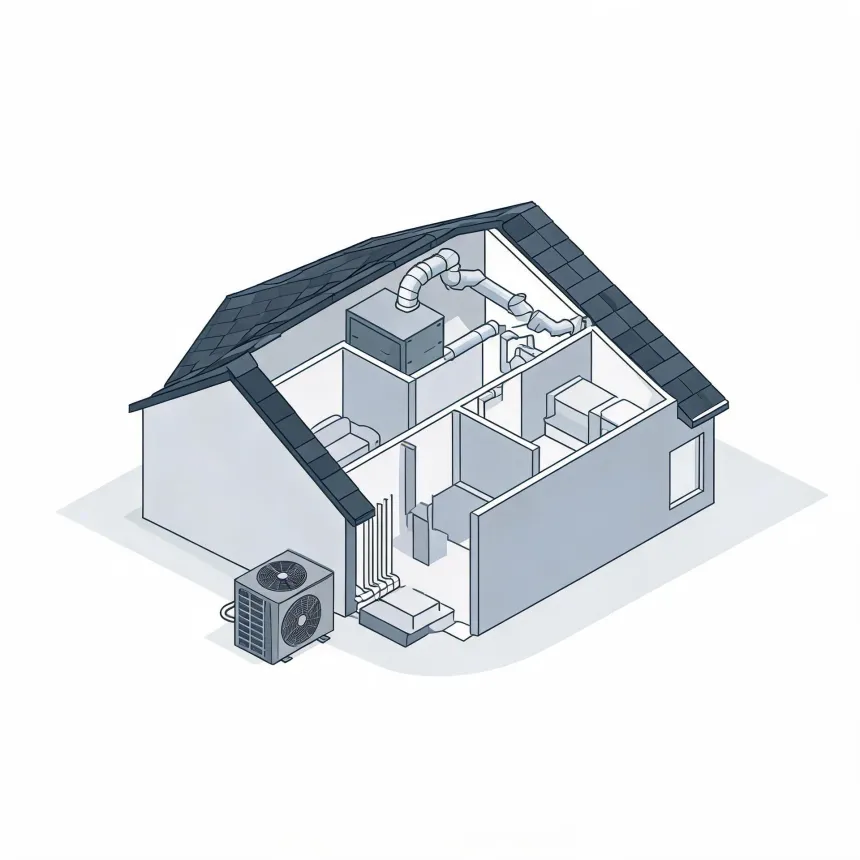
NOAA nClimDiv, 1991–2020 normals
Arkansas requires HVAC contractors to hold a state license.
The license is tied to the contractor, not to this specific job, so it covers the person or company doing the work rather than a one-time approval for your installation. Arkansas also keeps this at the state level. Garland County and the city cannot layer on their own separate HVAC license requirement, so the state's license is the one that applies here.
For a heat pump installation, that license is what stands behind the contractor's work on the refrigerant lines, wiring and setup. Alongside it, the installation itself typically needs a permit from the local building office, with an inspection once the work is done, since replacing a heat pump falls under that kind of job in most cities and counties. The license covers who is doing the work. The permit and inspection cover whether this particular installation was done right.
Source: Arkansas Department of Labor and Licensing
- Is a heat pump better than a furnace?
- It depends on what you're weighing. A heat pump moves heat instead of burning fuel to make it, so it costs less to run in most weather, and it also cools your home in summer, which a furnace can't do. Its heating output drops as the temperature outside drops, so on the coldest nights some homes pair one with a backup heat source. A contractor can look at your home and tell you whether a heat pump alone covers your winters or whether you'd want backup.
- What's the difference between a heat pump and an air conditioner?
- An air conditioner only cools. A heat pump does the same job in summer, but it can also run in reverse and pull heat from outside air into your home in winter. Mechanically they're close cousins, both using a compressor and refrigerant, which is why a heat pump can replace both your furnace and your AC in one system.
- Does a heat pump work in cold weather?
- Yes, a heat pump keeps pulling heat from outside air even when it's cold. It just has to work harder to do it, so its heating output drops as the temperature drops. Winter nights here average 33°F from December through February, and a heat pump sized right for your home will handle most of that on its own. A contractor can tell you whether your house needs backup heat for the coldest nights.